
Contents
When floodwater enters your space, you need to act in a strict sequence. Flood Water Recovery should begin by shutting off the main supply, checking for electrical and structural hazards, and removing standing water as quickly as possible. Next, dry affected materials, clean and disinfect surfaces, and repair damaged floors and walls. Each step affects the next, and skipping one can leave moisture trapped where you can’t see it yet.
Key Takeaways
- Shut off the main water supply and check for electrical, gas, and structural hazards before entering the flooded area.
- Remove standing water quickly using a pump, wet vacuum, or extractor, and discharge it safely outside.
- Dry walls, floors, and belongings immediately with fans, dehumidifiers, and open windows to prevent mold.
- Clean flooded surfaces with soap and water, then disinfect them and ventilate the area thoroughly.
- Inspect for hidden moisture and damage, remove soaked materials, and repair walls and floors with matching materials.
Shut Off Water and Check Safety Hazards
Before you start cleanup, shut off the main water supply if it’s still on and make sure the area is safe to enter.
Then inspect the space methodically. Wear safety equipment, including gloves, boots, and eye protection, before you move any debris.
Watch for electrical hazards such as damaged outlets, exposed wiring, and submerged appliances, and keep clear of any area that may still carry current.
If you smell gas or hear hissing, leave and report it immediately.
Document visible damage with photos, but don’t touch unstable materials.
Check ceilings, walls, and floors for shifting or collapse.
When you confirm the area is secure, you can join your recovery effort with confidence and protect everyone working beside you.
Remove Standing Water Fast
Once the area’s been cleared for entry, remove standing water as quickly as possible to limit further damage and mold growth.
You should begin water extraction with the most efficient tool you have, such as a submersible pump, wet vacuum, or portable extractor. Position hoses to discharge outdoors and away from the structure.
Watch pump operation closely so the intake stays submerged and the unit doesn’t run dry. Work from the deepest section first, then move methodically across the space.
If water is too thick with debris, clear strainers before restarting. Keep electrical cords elevated and connections dry.
When you act fast and stay organized, you help your recovery team protect the space and keep the job moving forward with confidence.
Dry Walls, Floors, and Belongings
Start drying immediately after water removal to slow mold growth and secondary damage. Open windows if weather allows, then run fans and dehumidifiers to create strong airflow and moisture control.
You should pull furniture away from walls, lift rugs, and separate wet items so air reaches every surface. Remove baseboards only if needed to expose trapped dampness, and check wall cavities with a moisture meter.
For belongings, sort quickly: salvageable items need elevated, ventilated drying, while saturated porous materials may need replacement. Use restoration techniques that match each material, such as blotting fabrics, standing books upright, and rotating cushions.
Keep checking humidity and surface readings until levels stabilize. Working methodically helps you protect your space and recover with confidence together.
Clean and Disinfect Flooded Areas
With the water gone and surfaces dry enough to work on, clean all flooded areas with soap and water first. Then disinfect anything that came into contact with floodwater.
Wear gloves, boots, and a mask, and mix disinfectant exactly as the label directs. Work from the cleanest area to the dirtiest so you don’t spread contamination.
Scrub hard surfaces, rinse if required, and let them air-dry fully. Disinfect countertops, appliances, tools, and any salvageable belongings that were touched by floodwater.
Keep windows open or fans running for ventilation. Wash hands and clothes after you finish. This process supports mold prevention and lowers health risks for everyone helping.
If odors, discoloration, or slimy residue remain, clean again before you move on.
Repair Flood Damage in Floors and Walls
After cleanup and disinfection, inspect floors and walls for structural damage, soft spots, swelling, warping, and hidden moisture.
Remove soaked drywall, baseboards, and trim to expose framing, then measure moisture with a meter before you close anything up.
If joists, studs, or subflooring stay damp, dry them with airflow and dehumidifiers until readings normalize.
Replace crushed insulation, because insulation replacement supports thermal control and mold prevention.
Patch or replace damaged panels, reinstall vapor barriers where required, and seal joints carefully.
Check for sagging floors, cracked plaster, and loose fasteners, then repair each defect with matching materials.
Work methodically, document every step, and keep your team aligned so the space returns safe, stable, and ready for the next phase.
Frequently Asked Questions
How Soon Should Flood Insurance Claims Be Filed?
File your flood insurance claim immediately, ideally within 24–72 hours, so you can start the flood claim process quickly and verify insurance policy limits. You’ll protect your coverage, documentation, and recovery timeline.
What Documents Are Needed for Disaster Assistance Applications?
You’ll need identification, proof of residence, insurance details, damage photos, receipts, and income records. These support your disaster relief application process, helping you verify losses, reduce delays, and feel included throughout recovery.
How Do I Preserve Photos of Flood Damage for Records?
You should photograph, label, and back up each image immediately; this damage documentation supports claims. For photo restoration, save originals, store copies, and note dates. You’ll keep records clear, organized, and ready.
When Can Power Be Safely Restored After Flooding?
You can restore power only after a licensed electrician confirms dry wiring, outlets, and appliances, and utility crews approve service. Follow safety precautions: turn off breakers, wear dry gear, and test circuits before reenergizing.
What Signs Indicate Mold Problems After Cleanup?
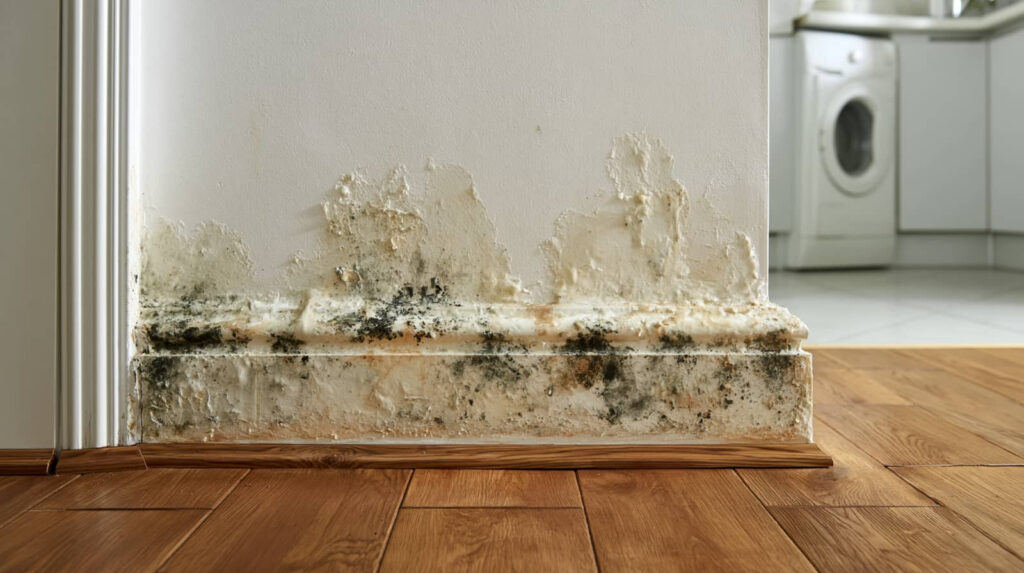
Musty odors, visible spotting, and recurring dampness signal mold growth after cleanup. You’ll use moisture detection to confirm hidden water, then inspect drywall, baseboards, and insulation; if symptoms persist, you’re not alone, act fast.
Summary
When you tackle flood recovery step by step, you turn chaos into control. Shut off the water, check for hazards, and keep yourself protected. Remove standing water quickly, then dry every surface and belonging before mold can take root. Clean and disinfect with care, and repair damaged floors and walls only after moisture levels drop. Follow this methodical path, and you’ll steer your home back from the flood like a ship finding calm water.
Recent Posts
Why Remove Soot After Flood Damage?
After flood damage, soot can seem to get everywhere at once, coating surfaces, trapping odors,
10 Tips for Soot Removal After Water Damage
After water damage leaves soot behind, you need to act fast and in the right
10 Proven Ways to Eliminate Odors After Damage
After damage, you need to identify the odor source fast, assess smoke impact, and dry