
Contents
When nature has a way of rearranging your environment, it’s vital to respond with a strategic plan for restoration. You’ve got to start by evaluating the damage and ensuring your safety. From documenting the situation to contacting your insurance provider, each step is essential. Understanding how to remove standing water and check for mold can make all the difference. Let’s explore these key tips to effectively tackle storm damage restoration.
Key Takeaways
- Conduct a thorough damage assessment, documenting all affected areas with clear photos for insurance claims.
- Prioritize safety by wearing protective gear and having an emergency plan in place.
- Remove standing water promptly, using pumps or wet vacuums to prevent further damage.
- Inspect for mold growth within 48 hours and ensure proper ventilation to prevent future issues.
- Communicate with your insurance provider promptly, understanding your coverage and documenting damages to support your claims.
Assess the Damage Promptly
When a storm strikes, it’s essential to evaluate the damage promptly to prevent further complications.
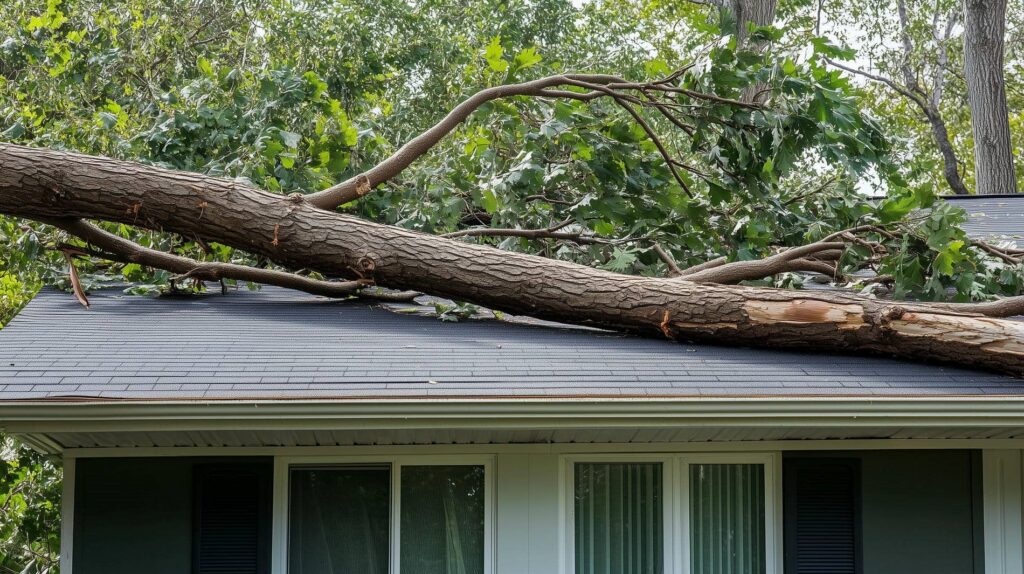
Begin with a thorough damage appraisal of your property. Look for visible signs like broken windows, roof leaks, or fallen trees. Document everything with photos, as this will help you with insurance claims and streamline the restoration timeline.
Next, prioritize areas that pose immediate risks, such as water leaks or structural instability. Make a list of the damages to categorize and address them effectively. This evaluation aids in planning repairs and helps in communicating with restoration professionals.
Once you’ve completed your appraisal, reach out to your insurance provider. Quick communication can expedite the claims process, ensuring you get the necessary funds for repairs.
Ensure Safety First
Before you begin any restoration work, ensuring safety is paramount. Start by evaluating your environment and understanding potential hazards. Equip yourself with the necessary safety gear, such as gloves, masks, and sturdy footwear, to protect against sharp debris and harmful substances.
It’s also essential to have an emergency plan in place. This plan should include evacuation routes, emergency contacts, and a designated meeting point for your family.
Consider these tips:
Stay informed: Keep updated on weather conditions and local advisories.
Inspect utilities: Check gas, electricity, and water lines for damage before re-entering your property.
Work in teams: Never tackle restoration alone; having others around enhances safety and support.
Document Everything
As you begin the restoration process, documenting everything becomes vital for both insurance claims and future reference. Start by creating a detailed damage inventory. List all affected items, including furniture, appliances, and structural components. This inventory will serve as an important record for your claims process.
In addition to written documentation, utilize photo organization to visually capture the damage. Take clear, detailed photos of each affected area from multiple angles. Make sure the lighting is adequate and that you include timestamps for accuracy. These images will reinforce your damage inventory and provide undeniable evidence of the extent of the destruction.
Keep all documentation organized and easily accessible, as you might need to revisit it later. By being thorough in your documentation, you facilitate a smoother claims process and enhance your understanding of the restoration journey ahead.
Contact Your Insurance Provider
After documenting all damages, it’s essential to review your insurance policy.
Understand what your coverage includes and any specific requirements for filing a claim.
Contact your insurance provider promptly to ensure a smooth claims process.
Review Your Policy
While evaluating storm damage, it’s crucial to review your insurance policy to understand your coverage and any potential limitations.
Familiarizing yourself with your policy helps you navigate the restoration process efficiently. Pay close attention to:
- Policy exclusions: Identify what’s not covered to avoid surprises later.
- Coverage limits: Know the maximum amount your insurer will pay for damages.
- Claim process: Understand the steps required to file a claim successfully.
Document Damages Promptly
To ensure a smooth claims process, document the damage promptly and contact your insurance provider as soon as it’s safe to do so.
Start by conducting a thorough damage assessment. Take detailed photographs and videos of affected areas, capturing both wide shots and close-ups. Make a list of damaged items and their estimated values, as this will aid in your claim.
Use restoration techniques to mitigate further damage, such as covering broken windows or removing standing water, and document these actions as well.
When you share this information with your insurer, it helps establish the extent of the damage and the urgency of your claim. Your proactive approach not only expedites the process but also fosters trust between you and your insurance provider.
Remove Standing Water
After a storm, it’s essential to remove standing water promptly to prevent further damage and safety hazards.
Always prioritize safety by wearing protective gear and evaluating for electrical risks before starting water removal.
Use effective techniques like pumps or wet vacuums to clear the water efficiently.
Safety First Protocols
As you assess storm damage, addressing standing water should be your top priority to prevent further complications.
Before you begin, make sure you’re wearing proper safety gear, including gloves and waterproof boots. Standing water can pose electrical hazards and may be contaminated, so stay cautious.
Consider these important steps:
Contact emergency services if you encounter dangerous situations like downed power lines.
Document the damage with photos for insurance claims while keeping your safety in mind.
Keep emergency contacts handy, including local restoration services, to expedite recovery.
Effective Water Removal Techniques
Once you’ve secured safety, it’s crucial to begin water removal promptly to minimize damage and prevent mold growth.
Start with effective water extraction methods, like using a wet/dry vacuum or a submersible pump for deeper standing water. Confirm you’re equipped with appropriate gear while working.
After removing most of the water, employ moisture control strategies, such as dehumidifiers and fans, to address residual moisture. This helps dry out affected areas quickly and reduces the risk of mold development.
Don’t forget to check hidden spaces, like behind walls and under flooring, where moisture can linger.
Dry Out Affected Areas
When dealing with storm damage, it’s vital to dry out affected areas promptly to prevent mold growth and structural deterioration. Effective moisture control is imperative, and employing specific drying techniques can make a significant difference.
Start by evaluating the extent of the damage and removing any standing water. Use dehumidifiers and fans to circulate air and speed up the drying process.
- Inspect insulation and drywall for excessive moisture.
- Utilize wet/dry vacuums for small water removal tasks.
- Keep windows open when the weather permits to increase airflow.
Check for Mold Growth
After drying out affected areas, it’s essential to check for mold growth, as it can develop within 24-48 hours in damp conditions.
Look for symptoms like musty odors, discoloration, or health issues like respiratory problems.
Implement preventive measures, such as ensuring proper ventilation and using dehumidifiers, to minimize the risk of mold.
Identify Mold Symptoms
How can you effectively identify mold symptoms in your home? Start by observing signs that indicate mold growth.
Early detection is key to mold prevention and protecting your living space. Here are a few symptoms to look for:
Visible mold: Check for dark spots on walls, ceilings, and hidden areas like behind appliances.
Musty odors: If you notice a persistent, earthy smell, it could indicate mold presence.
Health issues: Symptoms like coughing, sneezing, or skin irritation may signify mold exposure.
Preventive Measures Needed
To prevent mold growth effectively, you need to conduct regular inspections throughout your home. Start by checking areas prone to moisture, such as basements, bathrooms, and kitchens.
Implement stormproofing techniques to minimize water entry during severe weather. These methods include sealing windows, reinforcing roofs, and ensuring proper drainage systems.
Additionally, prioritize seasonal maintenance by cleaning gutters and downspouts to prevent water accumulation. Use a dehumidifier in damp areas to control humidity levels and ensure adequate ventilation in your home.
If you spot any signs of mold, address them immediately to avoid further spread. By staying proactive and vigilant, you’ll create a healthier living environment for yourself and your loved ones.
Repair Structural Damage
When severe storms strike, analyzing and repairing structural damage is vital to maintaining your home’s integrity.
Start by evaluating all areas of your property for any signs of damage that could compromise its structural integrity. Common issues include cracked foundations, damaged beams, or compromised roofing.
Employing effective repair techniques is essential to ensure your home remains safe and sound.
- Inspect the foundation for cracks and apply epoxy or polyurethane to seal them.
- Reinforce weakened beams using steel brackets or lumber to distribute weight evenly.
- Replace damaged shingles or roofing materials promptly to prevent leaks.
Clean and Disinfect
After addressing structural issues, the next step is to clean and disinfect affected areas.
Start by gathering appropriate cleaning supplies, such as gloves, masks, and buckets. You’ll need a mixture of water and detergent for initial cleaning, followed by a disinfectant solution to eliminate bacteria and mold. Use disinfecting methods that are effective but safe for your home environment.
Focus on high-touch surfaces like doorknobs, countertops, and light switches.
For porous materials, such as carpets or upholstery, consider professional cleaning to ensure thorough disinfection.
Don’t forget to ventilate the area to help dry surfaces and reduce lingering odors.
Prevent Future Damage
While restoring your property, it’s vital to implement strategies that prevent future damage. By focusing on durability, you can ensure your home withstands future storms better.
Start by investing in storm-resistant materials for your roofing, windows, and doors. These materials can greatly reduce the risk of damage during severe weather.
Additionally, commit to routine maintenance checks on your property. Regular inspections can identify vulnerabilities and allow you to address them proactively.
Here are some key steps to take into account:
- Clear gutters and downspouts regularly to prevent water accumulation.
- Inspect and replace damaged shingles to maintain roof integrity.
- Seal cracks and gaps around windows and doors to improve insulation and weather resistance.
Recap
Restoring your home after a storm can feel overwhelming, yet it’s essential for your safety and peace of mind. While the destruction may seem insurmountable, each step you take—from evaluating damage to preventing future issues—brings you closer to recovery. Embrace the process, knowing that behind the chaos lies the opportunity for renewal. With diligence and care, you can transform a storm’s devastation into a stronger, more resilient home, ready to withstand whatever nature throws your way.
Recent Posts
Top Tips for Storm Damage Restoration at Home
Many homeowners experience some form of storm damage. When faced with such unexpected challenges, it’s
What Are Top Tips for Sewage Cleanup?
Is it really possible to effectively manage a sewage cleanup without proper preparation? Many underestimate
Effective Strategies for Sewage Cleanup and Restoration
When dealing with sewage cleanup and restoration, it’s imperative to approach the situation methodically. You’ll