
Contents
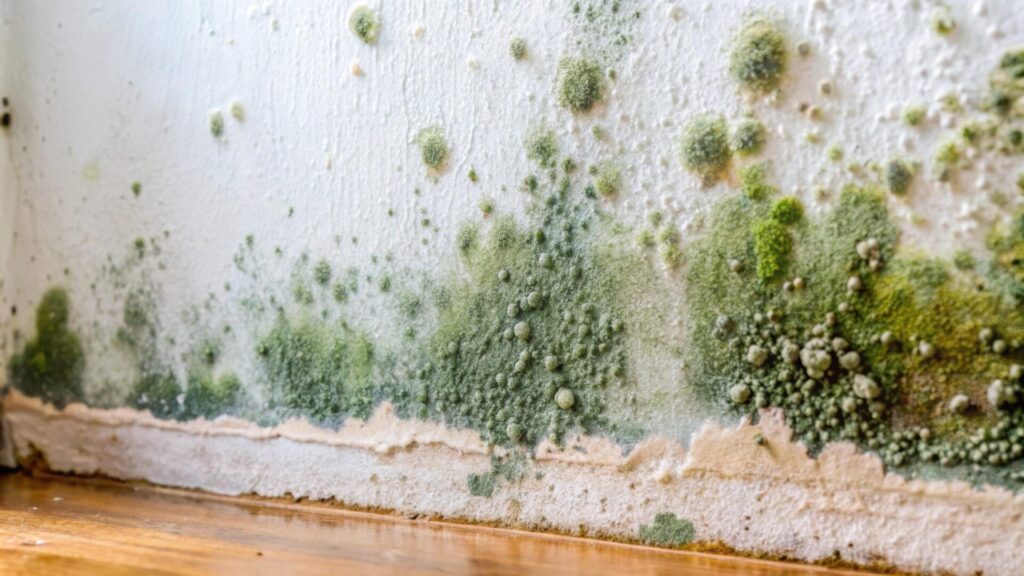
After floods, many homes face mold issues, which can lead to serious health risks. Tackling this problem requires effective methods that go beyond traditional cleaning. You might be surprised to learn that common household items can play a significant role in mold removal. From natural solutions to advanced technologies, these techniques can help restore your space. Let’s explore these unexpected yet powerful strategies.
Key Takeaways
- Utilize undiluted white vinegar to penetrate porous materials and inhibit mold growth safely around children and pets.
- Sprinkle baking soda on affected areas to neutralize odors and absorb moisture effectively.
- Apply 3% hydrogen peroxide directly to mold spots, allowing it to sit for 10 minutes for disinfection.
- Use essential oils like tea tree or eucalyptus for their antifungal properties and pleasant aromas in mold prevention.
- Employ ozone generators in unoccupied spaces to eliminate mold spores and odors, ensuring proper ventilation afterward.
Utilizing Vinegar as a Natural Mold Remover
While many commercial mold removers contain harsh chemicals, utilizing vinegar as a natural mold remover offers a safe and effective alternative.
Vinegar’s acetic acid provides strong antimicrobial properties that help kill mold spores and prevent future growth. When you apply undiluted white vinegar to affected areas, it penetrates porous materials, ensuring thorough treatment.
One of the key vinegar benefits is its non-toxic nature, making it safe for use around children and pets. Additionally, vinegar’s effectiveness extends beyond mold removal; it can also inhibit mold growth, contributing to mold prevention.
To maximize its efficacy, allow the vinegar to sit for at least an hour before wiping it away.
Regularly using vinegar in damp areas, like basements or bathrooms, can considerably reduce the chances of mold resurgence.
Harnessing the Power of Baking Soda
Baking soda is a powerful ally in the battle against mold, thanks to its natural properties that neutralize acidity and absorb moisture. When you encounter mold after a flood, sprinkle baking soda directly onto affected areas. This helps eliminate mold and acts as an effective odor neutralizer, tackling musty smells lingering in your home.
After applying the baking soda, let it sit for a few hours to fully absorb moisture and odors. For stubborn mold patches, mix baking soda with water to create a paste. Apply this paste to the moldy surface, allowing it to dry before scrubbing away the residue.
This technique is especially beneficial because it’s non-toxic and safe for various surfaces. Incorporating baking soda into your mold removal strategy can greatly enhance your efforts, ensuring a cleaner and healthier environment post-flood.
Employing Hydrogen Peroxide for Disinfection
When tackling mold after a flood, employing hydrogen peroxide is an effective strategy for disinfection due to its antifungal and antibacterial properties. This compound kills mold spores and disinfects surfaces, making it a versatile tool in your cleanup efforts.
Here are some key points to take into account when using hydrogen peroxide as a disinfection method:
- Use a 3% concentration for household applications.
- Apply it directly to the affected area using a spray bottle.
- Allow it to sit for at least 10 minutes to ensure effectiveness.
- Wipe away any residue with a clean cloth after treatment.
- Ensure proper ventilation during application to avoid inhalation.
Utilizing hydrogen peroxide as one of your disinfection methods can greatly reduce the risk of mold regrowth, assuring a safer environment post-flood.
Remember to prioritize safety and wear protective gear while working with disinfectants.
Using Essential Oils for Mold Prevention
Essential oils can play an important role in preventing mold growth in your home, offering a natural alternative to chemical treatments. Utilizing specific essential oil blends combats mold and provides aromatherapy benefits, enhancing indoor air quality.
Here’s a quick reference table of effective essential oils and their properties:
| Essential Oil | Mold Prevention Properties | Aromatherapy Benefits |
|---|---|---|
| Tea Tree Oil | Antifungal, antibacterial | Uplifting, revitalizing scent |
| Lavender Oil | Antimicrobial | Calming, stress-relieving |
| Eucalyptus Oil | Antifungal | Invigorating and clears sinuses |
| Lemon Oil | Antiseptic | Energizing, mood enhancer |
To use these oils, mix a few drops with water in a spray bottle and apply to prone areas. Regular use can greatly reduce mold risks, ensuring a healthier living environment.
Implementing Ozone Generators for Deep Cleaning
Ozone generators can be an effective tool for deep cleaning after floods, as they eliminate mold spores and odors by producing ozone, a powerful oxidant.
However, before using them, it’s essential to understand ozone safety and generator maintenance to ensure effective and safe operation.
- Use ozone generators in unoccupied spaces to avoid health risks.
- Seal all windows and doors to contain ozone within the area.
- Run the generator for the recommended duration based on the space size.
- Allow sufficient time for the ozone to dissipate before re-entering the area.
- Regularly check and maintain your generator for peak performance.
Summary
In the battle against mold after floods, these surprising techniques can be your lifeline. By harnessing the natural power of vinegar, baking soda, hydrogen peroxide, essential oils, and ozone generators, you’re not just cleaning; you’re reclaiming your space. Don’t let mold take root and turn your home into a shadow of its former self. With these methods, you can restore safety and comfort, ensuring your sanctuary remains a place of peace and health.
Recent Posts
Top Tips for Storm Damage Restoration at Home
Many homeowners experience some form of storm damage. When faced with such unexpected challenges, it’s
What Are Top Tips for Sewage Cleanup?
Is it really possible to effectively manage a sewage cleanup without proper preparation? Many underestimate
Effective Strategies for Sewage Cleanup and Restoration
When dealing with sewage cleanup and restoration, it’s imperative to approach the situation methodically. You’ll