
Contents
Water extraction is essential when water damage strikes unexpectedly, as even a minor issue can quickly escalate into a major disaster if not addressed swiftly. Understanding effective emergency water extraction techniques is vital for minimizing damage and ensuring safety. This quiz will test your knowledge on essential tools and common mistakes to avoid. Are you prepared to handle such situations, or might you be overlooking key aspects of water extraction?
Key Takeaways
- Rapid extraction of water minimizes damage and repair costs, emphasizing the need for effective emergency preparedness.
- Utilize essential tools like submersible and trash pumps for efficient water extraction in various situations.
- Always prioritize safety by wearing protective gear and assessing for structural damage before beginning extraction.
- Implement proper post-extraction cleanup techniques, including sanitization and moisture monitoring, to prevent mold growth.
- Recognize signs that indicate the need for professional help, such as significant standing water or persistent dampness.
Understanding the Importance of Emergency Water Extraction
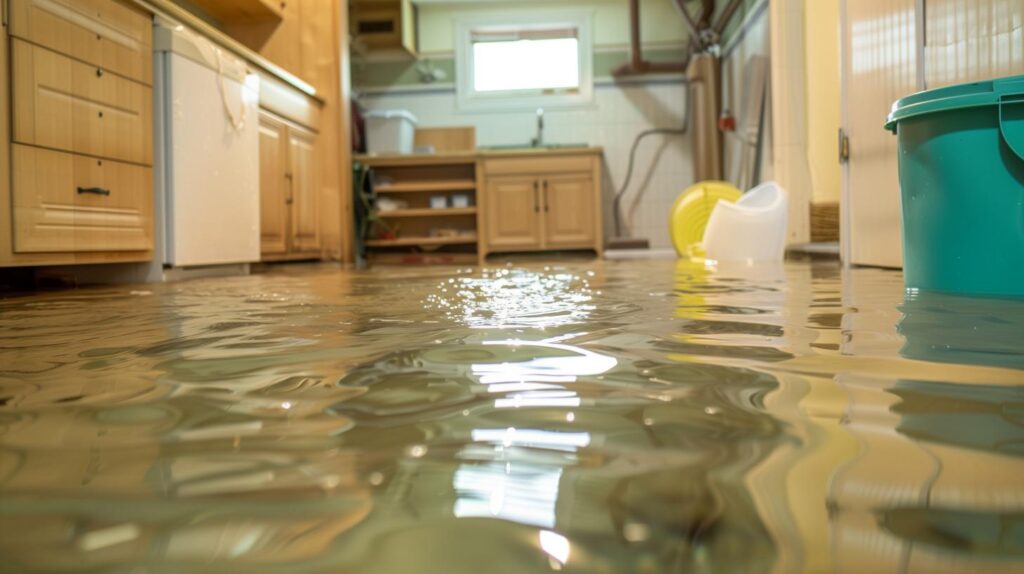
Emergency water extraction is essential for mitigating damage during flooding or water-related incidents. When you face such emergencies, understanding the importance of rapid extraction can greatly influence the outcome. It’s not just about removing water; it’s a critical component of emergency preparedness.
The sooner you act, the more effectively you can minimize water damage. By prioritizing water extraction, you contribute to water damage prevention, which can save both time and money in repairs.
Techniques like using submersible pumps, wet vacuums, and specialized equipment help expedite the process. Make sure you have a plan in place, including access to necessary tools and resources, so you can respond quickly when disaster strikes.
Identifying the Types of Water Damage
To effectively address water damage, you need to identify the types of water sources involved.
Understanding the categories of water damage—clean, gray, and black—will help you assess the potential impact on your property’s structure.
This knowledge is essential for determining the appropriate extraction and remediation techniques.
Types of Water Sources
Understanding the various types of water sources is essential for effectively identifying water damage, as each source presents unique challenges and implications for remediation.
Flood sources, such as overflowing rivers or heavy rainfall, can inundate properties quickly, requiring immediate attention.
Pipe leaks often develop unnoticed, leading to gradual yet significant damage over time.
Storm runoff can overwhelm drainage systems, exacerbating water accumulation in low-lying areas.
Groundwater intrusion occurs when water seeps through the foundation, typically in flood-prone regions.
Sewage backups pose serious health risks and necessitate specialized cleanup procedures.
Ultimately, appliance malfunctions, like washing machine leaks or water heater failures, can cause localized damage, demanding prompt intervention to mitigate further issues.
Identifying these sources helps prioritize effective extraction techniques.
Categories of Water Damage
Water damage can be categorized into three primary types: clean water, gray water, and black water. Clean water originates from a clean source, like a burst pipe, and poses minimal risk.
Gray water, which contains contaminants from household use, requires specific categories of water damage restoration techniques to ensure safety.
Finally, black water comes from unsanitary sources, such as sewage, and can cause severe health risks, necessitating immediate professional intervention.
Understanding these categories of water damage classification methods is vital for effective response and restoration.
Each type dictates different extraction and remediation processes, making sure that you address the unique challenges presented by the water source.
Impact on Property Structure
While identifying the type of water damage is essential, it’s equally important to recognize its impact on the property structure.
Water can severely compromise structural integrity, leading to long-term effects that may not be immediately visible. Here are some key considerations:
- Foundation damage: Water can erode soil, weakening the foundation.
- Mold growth: Excess moisture fosters mold, which can damage walls and ceilings.
- Wood rot: Prolonged exposure can deteriorate wooden structures and fixtures.
- Electrical hazards: Water intrusion can create short circuits, posing safety risks.
- Insulation degradation: Wet insulation loses its effectiveness, leading to higher energy costs.
Understanding these impacts can help you act swiftly, preventing further damage and preserving your property’s value.
Essential Tools for Water Extraction
When it comes to effective water extraction, understanding the types of pumps and manual extraction tools is essential.
You’ll need to assess the situation to determine which equipment will best suit your needs.
Selecting the right tools can greatly enhance your efficiency and effectiveness during the extraction process.
Pump Types Overview
Effective water extraction relies heavily on the right pump type, as these essential tools vary in design and functionality, catering to different extraction needs.
You’ll encounter several types of pumps, each suited for specific scenarios. Understanding these can optimize your extraction efforts.
- Submersible Pumps: Ideal for deep water extraction, they operate underwater and are efficient for flooded areas.
- Diaphragm Pumps: Known for their ability to handle viscous fluids and solids, making them versatile.
- Trash Pumps: Designed for heavy debris, they can handle larger particles without clogging.
- Electric & Gasoline-Powered Pumps: Choose based on your power availability; electric for convenience, gasoline for portability.
- Utility Pumps: Compact and lightweight, perfect for smaller jobs like draining pools or ponds.
Selecting the right pump ensures effective and efficient water extraction.
Manual Extraction Tools
After selecting the right pump for your water extraction needs, you may still find situations where manual extraction tools are necessary. These tools are essential for effectively completing the extraction process, especially in hard-to-reach areas or when dealing with small volumes of water. Here’s a quick overview of important manual extraction tools you might consider:
| Tool | Purpose | When to Use |
|---|---|---|
| Squeegee | To clear water from flat surfaces | Post-pump extraction for residual water |
| Wet/Dry Vacuum | For extracting water from carpets | After initial pump removal |
| Mops and Buckets | For final cleanup | When dealing with spills |
| Towels | To absorb remaining moisture | In tight spaces and corners |
Utilize these manual extraction techniques to ensure thorough water removal.
Step-by-Step Water Extraction Process
To successfully extract water from a flooded area, you must follow a systematic approach that minimizes damage and ensures safety.
Implementing effective water extraction methods is essential during your emergency response. Here’s a step-by-step process to guide you:
- Assess the Area: Identify the extent of flooding and potential hazards.
- Gather Equipment: Collect necessary tools such as pumps, hoses, and wet/dry vacuums.
- Create a Plan: Designate a method for water extraction based on the situation and available resources.
- Begin Extraction: Start removing water with your chosen method, ensuring to work from the highest point to the lowest.
- Monitor for Residual Water: After initial extraction, check for remaining moisture and address it to prevent mold growth.
Safety Precautions During Water Extraction
Water extraction can pose various risks, making safety precautions a priority. Before you begin, make certain you’re equipped with the appropriate protective gear. This includes rubber boots, gloves, and waterproof clothing to shield yourself from contaminants and hazardous materials.
Additionally, consider wearing a mask or respirator if the area is prone to mold or airborne pollutants. Adhering to established safety protocols is essential. Always assess the area for structural damage or electrical hazards before entering. If necessary, turn off the electricity to avoid shock.
Keep a first-aid kit readily accessible and make certain you have a means of communication in case of emergencies. While extracting water, maintain good ventilation to prevent exposure to harmful fumes and moisture buildup.
Finally, work with a partner whenever possible; this increases safety and efficiency. Following these guidelines will help you minimize risks and ensure a safer water extraction process.
Common Mistakes to Avoid in Water Extraction
While engaging in water extraction, it’s crucial to be aware of common mistakes that can hinder your efforts and compromise safety.
Avoiding these common pitfalls will help you achieve more effective results and minimize extraction errors.
- Neglecting safety gear can lead to injuries.
- Using inadequate equipment results in inefficient extraction.
- Failing to assess the area thoroughly and missing hidden water sources.
- Ignoring contaminated water, risking health hazards.
- Rushing the process often leads to overlooked details.
Post-Extraction Cleanup and Drying Techniques
Once you’ve completed the water extraction process, it’s essential to implement effective cleanup and drying techniques to prevent further damage and mold growth.
Start with post extraction sanitization; this involves cleaning surfaces with appropriate disinfectants to eliminate harmful bacteria and pathogens. Pay special attention to porous materials, as they can retain moisture and harbor mold.
Next, deploy drying equipment like industrial fans and dehumidifiers. Position fans to create airflow across wet surfaces, facilitating evaporation. Use dehumidifiers to reduce humidity levels in the air, which helps expedite drying.
Monitor the moisture levels in affected areas with a moisture meter to ensure complete dryness.
Finally, inspect the space regularly during the drying process. If you notice any signs of mold or persistent dampness, take immediate action to address these issues.
Timely and thorough cleaning will safeguard your property from long-term damage and health risks.
When to Call Professional Water Extraction Services
Identifying the right moment to call professional water extraction services can save you from extensive damage and costly repairs.
You should act promptly when you notice the following signs of urgency:
- Significant standing water: If water is pooling in your home, it’s vital to call for help immediately.
- Persistent dampness: If areas remain damp despite your efforts, professionals can ensure proper drying.
- Mold growth: If you see mold developing, you need expert intervention to prevent health risks.
- Structural concerns: If you suspect water has compromised your home’s structure, don’t hesitate to call.
- Sewage backup: This is a serious hazard that requires immediate professional attention for health and safety reasons.
Recognizing these signs will help you determine when to call for assistance, making sure that you mitigate damage and restore your space effectively.
Preventative Measures for Future Water Damage
After addressing immediate water damage concerns with professional help, it’s important to implement preventative measures to safeguard your home against future incidents.
Start by investing in reliable waterproofing solutions. These can include sealing cracks in your foundation, applying waterproof coatings, and ensuring that your home’s exterior is well-maintained.
Next, focus on improving drainage systems around your property. Installing proper gutters and downspouts directs rainwater away from your home, reducing the risk of flooding.
Consider grading your landscape to promote water runoff, preventing pooling near your foundation.
Regularly inspect and maintain your plumbing to identify potential leaks before they escalate.
Additionally, consider using sump pumps in basements to manage excess water effectively.
Wrap-Up
Effective emergency water extraction is essential for minimizing damage and ensuring safety. It is important to be prepared and knowledgeable about the extraction process. By understanding the tools, safety measures, and techniques involved, you can greatly reduce the impact of water damage and protect your property. Stay informed and ready to act swiftly when faced with water-related emergencies.
Recent Posts
Top Tips for Storm Damage Restoration at Home
Many homeowners experience some form of storm damage. When faced with such unexpected challenges, it’s
What Are Top Tips for Sewage Cleanup?
Is it really possible to effectively manage a sewage cleanup without proper preparation? Many underestimate
Effective Strategies for Sewage Cleanup and Restoration
When dealing with sewage cleanup and restoration, it’s imperative to approach the situation methodically. You’ll