
Contents
When dealing with mold issues, understanding extensive mold remediation services is essential. These services go beyond mere cleanup; they involve detailed inspections to identify hidden mold and moisture sources. You’ll learn about the steps taken to safely remove contaminated materials and the importance of preventing future growth. As you explore these aspects, consider how they impact your living or working environment and what you can do to guarantee long-term safety.
Key Takeaways
- Comprehensive mold remediation services include thorough inspections to identify mold types and assess severity using specialized tools.
- Professionals isolate affected areas to prevent mold spores from spreading during the remediation process.
- Contaminated materials are removed, and surfaces are cleaned with antimicrobial solutions to ensure effective mold elimination.
- Post-remediation inspections verify the success of mold removal and safety of the environment.
- Services often include moisture control strategies and recommendations to prevent future mold growth through proper ventilation and maintenance.
Understanding Mold Growth and Its Hazards
When you encounter mold in your home, it’s crucial to understand how it grows and the potential hazards it poses.
Mold biology reveals that this fungus thrives in damp, warm environments, often reproducing through tiny spores that become airborne. These spores can settle in various areas, such as your walls or attic, especially if moisture levels are high.
The health risks associated with mold exposure can be significant. Individuals with respiratory issues, allergies, or weakened immune systems may experience severe reactions, including asthma attacks, sinus infections, or skin irritations.
Even those without pre-existing conditions can suffer from headaches or fatigue.
Signs of Mold Infestation in Your Home
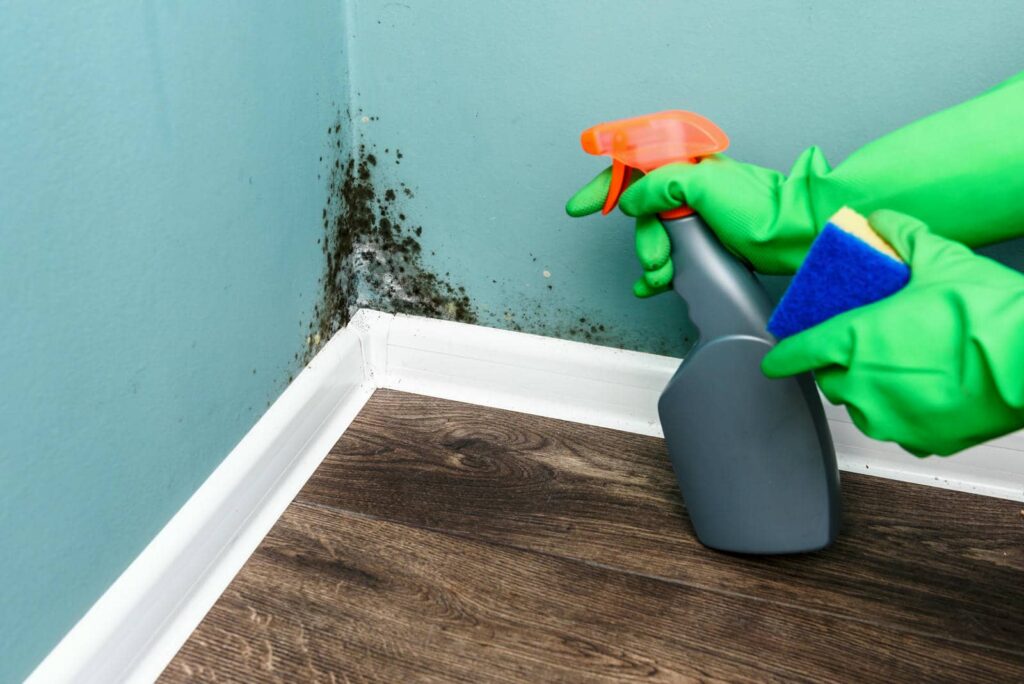
How can you tell if mold has taken hold in your home? First, look for visible signs like dark spots or fuzzy growths, which can indicate various mold types, such as black mold or green mold. These often appear in damp areas, particularly bathrooms, basements, or around leaky pipes.
Next, pay attention to any musty odors; if you notice a persistent smell, it could point to hidden mold growth behind walls or under flooring.
Additionally, monitor for health effects. If you or your family members experience unexplained respiratory issues, allergies, or skin irritations, mold could be the culprit. Symptoms often worsen in specific areas of your home, suggesting localized mold infestations.
The Importance of Professional Mold Inspection
Given the potential health risks and structural damage mold can cause, a professional mold inspection is essential for any homeowner suspecting an infestation.
Utilizing advanced mold inspection techniques, experts can identify hidden mold growth and assess its severity. They employ tools like moisture meters and infrared cameras to detect moisture levels, pinpointing areas prone to mold.
The benefits of inspections go beyond mere identification; they provide peace of mind. You’ll receive a detailed report detailing findings and recommendations for remediation, ensuring you know exactly what to address.
By investing in a professional inspection, you not only safeguard your family’s health but also protect your home’s value.
Moreover, a thorough inspection can prevent future infestations by addressing the root causes of moisture.
Steps Involved in Mold Remediation
After a professional mold inspection reveals the extent of the issue, the next step is to implement effective mold remediation.
First, you’ll need to identify the mold types present, as different species can cause various health effects, ranging from allergic reactions to respiratory issues.
Next, you’ll want to guarantee you’re properly equipped with personal protective equipment (PPE) to safeguard against exposure during the process.
Once you’ve prepared, the affected areas should be isolated to prevent spores from spreading. This may involve sealing off rooms and using air filters.
After containment, you’ll remove contaminated materials, such as drywall or carpeting, and clean surfaces with appropriate antimicrobial solutions.
Monitoring moisture levels is essential, as it helps prevent future mold growth.
Finally, a thorough post-remediation inspection verifies that all mold has been effectively addressed, safeguarding your health and well-being in the long run.
Containment Procedures During Mold Removal
To effectively contain mold during the removal process, you’ll need to implement specific procedures that minimize the risk of spore dispersion.
Start by establishing containment barriers around the affected area using heavy-duty plastic sheeting. Seal all edges and entry points to prevent spores from escaping into unaffected spaces.
It’s essential to maintain negative air pressure within the containment zone, which you can achieve with air filtration systems equipped with HEPA filters. These filters capture airborne spores, reducing contamination risk as you work.
Make certain that all personnel entering this area wear appropriate personal protective equipment (PPE) to further limit exposure.
Regularly monitor air quality within and outside the containment barriers to guarantee safety.
Cleaning and Disinfecting Affected Areas
When addressing mold contamination, your first step is identifying all affected surfaces, as these areas harbor spores and allergens.
Once you’ve pinpointed the contaminated spots, employing effective cleaning techniques—such as using EPA-approved disinfectants—ensures thorough remediation.
This process not only removes mold but also prevents future growth, safeguarding your environment.
Identifying Contaminated Surfaces
Identifying contaminated surfaces is vital for effective mold remediation, as it guarantees that all affected areas receive the necessary cleaning and disinfecting.
You’ll want to start by examining various surface types, including wood, drywall, and carpets, which are common hosts for mold growth. Contamination sources often include water leaks, high humidity, or even flooding, making it essential to inspect areas prone to moisture accumulation.
Look for visible mold, discoloration, or musty odors, as these can indicate deeper contamination. Utilizing moisture meters can also help pinpoint hidden problem areas.
Effective Cleaning Techniques
Once you’ve identified contaminated surfaces, the next step is implementing effective cleaning techniques to thoroughly address mold growth.
Start by using eco-friendly solutions, such as vinegar or hydrogen peroxide, which can effectively kill mold without harming your environment. For more stubborn infestations, consider advanced technologies like HEPA filters and ultraviolet light, which can help eliminate spores in the air and on surfaces.
Don’t forget to wear protective gear, including masks and gloves, to safeguard your health during the cleaning process. Scrub surfaces with brushes designed for mold removal, making sure you reach into crevices where spores may linger.
Finally, after cleaning, guarantee proper ventilation to help dry affected areas and prevent future mold growth.
Preventing Future Mold Growth
To prevent future mold growth, you need to implement regular inspections and maintenance of your property.
This includes checking for leaks and damp areas that could foster mold development.
Additionally, ensuring proper ventilation techniques, such as using exhaust fans and dehumidifiers, can greatly reduce moisture levels and inhibit mold spores from thriving.
Regular Inspections and Maintenance
While frequent inspections may seem like an added chore, they’re critical in preventing future mold growth in your property.
Regular inspections allow you to identify potential problem areas early, such as leaks or condensation points. By conducting routine assessments, you can implement preventive measures like repairing water damage and maintaining proper humidity levels.
These proactive steps not only protect your property but also create a healthier environment for you and your loved ones. Remember, mold thrives in damp conditions; staying vigilant through inspections can greatly reduce your risk.
Investing time in these assessments fosters a sense of belonging and safety, ensuring your space remains a sanctuary free from mold-related concerns.
Proper Ventilation Techniques
Effective ventilation is a key element in mold prevention, complementing regular inspections and maintenance. To guarantee your space remains mold-free, you should invest in efficient ventilation systems that promote air circulation.
These systems help control humidity levels, which is vital since mold thrives in damp environments.
Consider using exhaust fans in areas like bathrooms and kitchens, where moisture tends to accumulate. Additionally, opening windows when weather permits allows fresh air to flow, further reducing humidity.
Installing dehumidifiers can also aid in maintaining ideal humidity levels, especially in basements or crawlspaces.
The Role of Air Quality Testing
Air quality testing plays an essential role in mold remediation, ensuring that indoor environments are safe and healthy. By analyzing air samples, you can identify the presence of mold spores and other pollutants that may affect your well-being. This testing helps determine the extent of contamination and guides the remediation process effectively.
| Testing Method | Purpose |
|---|---|
| Air Sampling | Detects mold spores in the air |
| Surface Testing | Identifies mold growth on surfaces |
| Bulk Testing | Assesses materials for mold presence |
| Viable vs. Non-Viable | Differentiates active spores from dormant ones |
Understanding air quality is vital for making informed decisions about mold remediation. By ensuring thorough testing, you can foster a safer environment for you and your loved ones, enhancing overall health and comfort. Prioritizing air quality testing is a proactive step toward mold-free living.
Insurance Considerations for Mold Remediation
When dealing with mold remediation, understanding your insurance coverage is essential.
Many policies include specific provisions for mold damage, but exclusions and limitations can vary considerably.
You’ll need to familiarize yourself with the filing process to guarantee you receive the support you need for effective remediation.
Coverage for Mold Damage
Mold damage can pose significant risks to both health and property, making it vital to understand your insurance coverage options. Many homeowners rely on mold insurance to alleviate financial burdens associated with remediation.
However, coverage can vary widely between policies. Typically, damage coverage for mold is included only under specific conditions, such as a covered water leak, which must be reported promptly.
Additionally, some policies may impose limits on the amount they’ll cover for mold-related repairs. To guarantee you’re adequately protected, it’s important to review your policy details and consult with your insurer.
Knowing what’s covered can help you make informed decisions and safeguard your home against potential mold issues.
Policy Exclusions and Limitations
Understanding your insurance policy’s exclusions and limitations is essential for effective mold remediation. Many policies have specific coverage exclusions related to mold damage, which can greatly impact your remediation efforts.
For instance, some policies may limit coverage if the mold resulted from long-term moisture issues or negligence in maintenance. You should carefully review these policy limitations to avoid unexpected out-of-pocket expenses.
Additionally, some insurers mightn’t cover mold growth that occurs in areas prone to flooding or leaks, emphasizing the need for proactive home maintenance. By being aware of these exclusions, you can better prepare for potential remediation costs and guarantee your home stays safe and healthy.
Always consult with your insurance agent to clarify any uncertainties regarding your policy.
Filing a Claim Process
How do you navigate the filing process for a mold remediation claim? Start by gathering all necessary claim documentation, including photos of the damage, repair estimates, and any moisture readings.
Your insurer may require specific forms, so check your policy for details. Next, submit your claim promptly; this can greatly affect your claim timeline.
Once filed, maintain communication with your insurance adjuster to guarantee they’ve all needed information. They may request further documentation or schedule an inspection.
Finally, be prepared for potential negotiations regarding coverage limits or costs. Understanding these steps can streamline your experience and increase your chances of a successful claim, helping you return to a safe, mold-free environment.
Choosing the Right Mold Remediation Service Provider
Are you confident in your choice of a mold remediation service provider? Selecting the right expert is vital for effective mold removal and prevention. Here are three key factors to take into account:
Mold Remediation Certifications: Confirm the service provider holds relevant certifications from recognized organizations. This indicates a commitment to industry standards and best practices.
Service Provider Reviews: Look for feedback from previous clients. Positive reviews can provide insight into their reliability, quality of work, and customer service.
Experience and Expertise: Choose a provider with a proven track record in mold remediation. An experienced team understands the complexities of different mold issues and can tailor solutions to your specific needs.
Frequently Asked Questions
How Long Does Mold Remediation Typically Take?
Mold remediation typically takes one to five days, depending on mold growth severity and the remediation timeline. You’ll want professionals to assess and address the issue thoroughly to guarantee a safe, lasting solution.
What Are the Costs Associated With Mold Remediation Services?
When you assess mold, costs can vary considerably. Remediation pricing factors include size, severity, and location of the mold. Expect to budget for both the initial assessment and subsequent remediation services to guarantee thorough treatment.
Can I Stay in My Home During Remediation?
You shouldn’t stay in your home during remediation due to potential mold exposure. It can lead to various health effects, including respiratory issues. Prioritizing your health guarantees a safer environment once the process is complete.
Are DIY Mold Removal Methods Effective?
DIY mold removal methods often lack effectiveness against persistent mold growth. While they may offer temporary relief, implementing prevention techniques—like controlling humidity and improving ventilation—ensures long-term success in maintaining a mold-free environment in your home.
How Can I Verify a Mold Remediation Service’s Credentials?
To verify a mold remediation service’s credentials, check their certifications and licenses. Research their service reputation through online reviews and testimonials. Contact former clients for firsthand accounts of their experiences to ascertain reliability and effectiveness.
Summary
In the battle against mold, extensive remediation services act as a shield, guarding your home from unseen invaders. By identifying, removing, and preventing future growth, these experts transform damp, shadowy corners into bright, healthy spaces. With proactive moisture control and air quality testing, you’re not just eradicating a problem; you’re cultivating a safe haven for you and your loved ones. Trust in professional services to turn the tide, ensuring your environment flourishes free from the grasp of mold.
Recent Posts
10 Key Tips for Storm Damage Restoration
When nature has a way of rearranging your environment, it’s vital to respond with a
Top Tips for Storm Damage Restoration at Home
Many homeowners experience some form of storm damage. When faced with such unexpected challenges, it’s
What Are Top Tips for Sewage Cleanup?
Is it really possible to effectively manage a sewage cleanup without proper preparation? Many underestimate