
Contents
After water damage, addressing mold effectively requires a systematic approach. You’ll need to assess the extent of mold growth through inspections and testing. It’s critical to contain the area to prevent spore spread, and using personal protective equipment is necessary for your safety. Once you’ve contained the situation, removing contaminated materials and cleaning surfaces is essential. But there’s more to the mold removal process that ensures long-term prevention and safety. What comes next?
Key Takeaways
- Conduct thorough assessments using visual inspections and moisture meters to identify mold growth locations after water damage.
- Seal off affected areas with plastic barriers to prevent the spread of mold spores during removal efforts.
- Remove contaminated materials carefully, sealing them in plastic bags for safe disposal while wearing appropriate protective gear.
- Clean non-porous surfaces with warm soapy water followed by disinfectants designed to eliminate mold and bacteria.
- Utilize dehumidifiers and air movers to control humidity levels and promote rapid drying of damp areas to prevent future mold growth.
Assessing the Extent of Mold Growth
How can you effectively determine the extent of mold growth in your environment? Start by employing mold identification techniques, which include visual inspections and air quality testing.
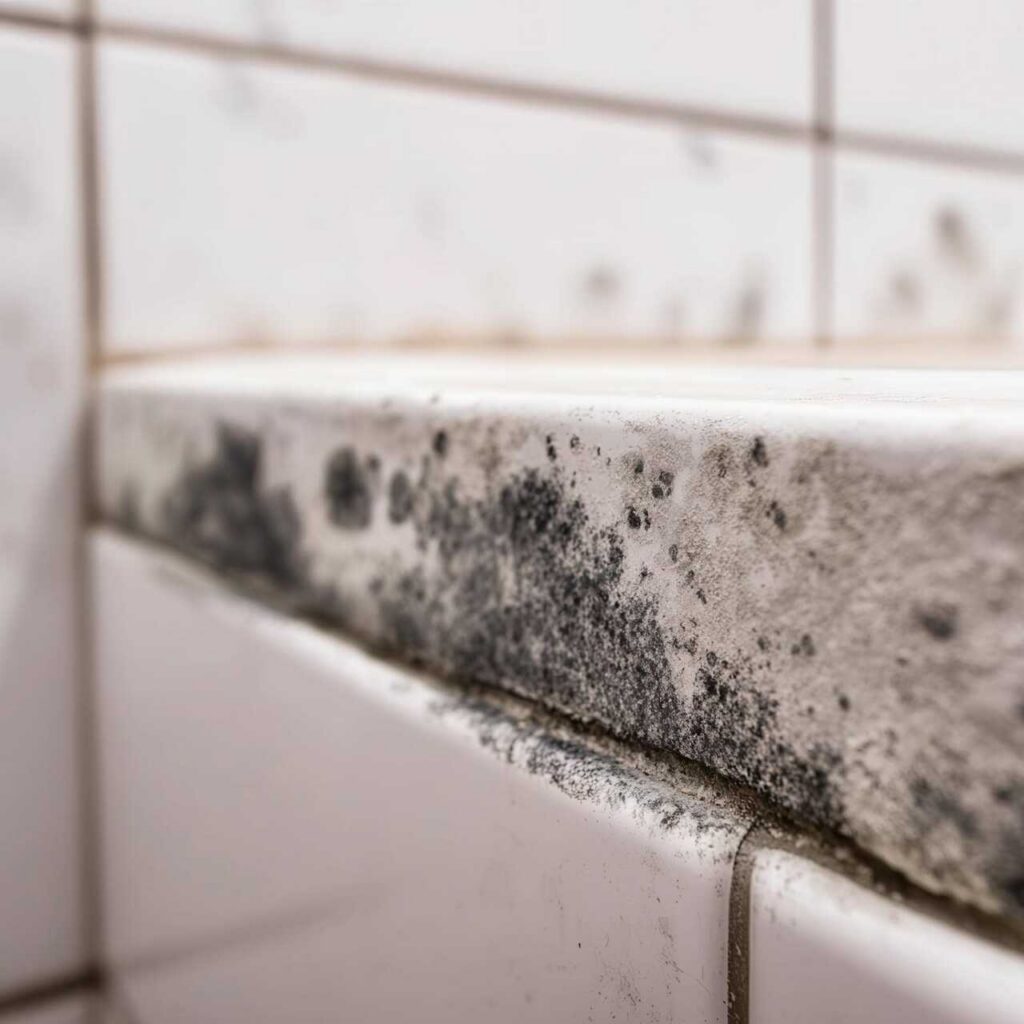
Look for visible signs like discoloration on surfaces or musty odors, as these can indicate mold presence. Next, utilize moisture assessment methods to pinpoint the source of dampness. Use a moisture meter to measure levels in walls, ceilings, and floors. High readings often correlate with mold growth.
It’s essential to ensures your safety while conducting these assessments. Wear protective gear, such as gloves and masks, to avoid inhaling spores.
If you suspect extensive growth, consider consulting a professional to get accurate results. Connecting with others who understand mold issues can also provide valuable support.
Containing the Affected Area
To effectively contain the affected area, you’ll need to seal it off to prevent mold spores from spreading.
Use heavy-duty plastic barriers to isolate the contaminated space, ensuring that all openings are tightly secured.
Implement ventilation control measures to maintain airflow, reducing the risk of cross-contamination to other parts of your home.
Seal Off Affected Areas
Before you begin mold removal, it’s essential to seal off the affected areas to prevent spores from spreading throughout your home.
Use duct tape to secure plastic sheeting over doorways and vents, creating a barrier that contains the mold and protects your living space. This step is vital for effective mold prevention strategies, as it limits exposure to airborne spores.
Make sure you wear protective gear, including masks and gloves, to safeguard your health.
Additionally, consider using air purifiers equipped with HEPA filters to enhance air quality improvement during this process.
Use Plastic Barriers
As you tackle mold removal, utilizing plastic barriers is essential for containing the affected area and preventing spore migration.
Start by securing plastic sheeting around the perimeter of the mold-affected space. Use heavy-duty tape to seal edges tightly, ensuring no gaps remain where spores can escape.
This mold containment technique protects your home and safeguards your health and the health of others in your space.
Make sure to cover vents and doorways with additional layers of plastic sheeting to create a controlled environment.
When working in this area, wear appropriate personal protective equipment (PPE) to minimize exposure.
Ventilation Control Measures
While you’re working on mold removal, implementing effective ventilation control measures is crucial for containing the affected area and minimizing the spread of spores.
Start by shutting down any existing ventilation systems to prevent cross-contamination. Use fans to create controlled air circulation, directing airflow out of the affected space. This helps prevent spores from settling elsewhere.
Make certain windows and doors remain closed to limit external airflow that could introduce more moisture. If possible, use dehumidifiers to reduce humidity and enhance air quality.
Always wear protective gear to safeguard against airborne spores while working. By carefully managing ventilation, you’ll reduce the risk of mold proliferation, keeping both yourself and your environment safe throughout the removal process.
Using Personal Protective Equipment (PPE)
When tackling mold removal, wearing appropriate personal protective equipment (PPE) is vital to ensure your safety.
You’ll need essential items like respirators, gloves, and protective clothing to minimize exposure to mold spores and harmful chemicals.
Understanding how to properly use this gear can greatly reduce health risks associated with mold remediation.
Essential PPE Types
To effectively tackle mold removal, you must equip yourself with the right personal protective equipment (PPE) to safeguard your health.
Essential PPE types include a high-quality respirator, which filters out harmful spores, and goggles to protect your eyes from irritation. You’ll also need durable gloves to prevent skin contact with mold and cleaning agents.
Consider wearing a full-body suit, especially in heavily contaminated areas, to minimize exposure. Following PPE guidelines is vital; make sure your gear fits properly and is rated for mold removal.
By using the correct PPE, you protect yourself and create a safer environment for anyone involved in the cleanup process.
Prioritizing safety fosters a sense of belonging in your community’s health efforts.
Proper PPE Usage
Using personal protective equipment (PPE) correctly is essential for ensuring your safety during mold removal. Understanding PPE importance is key; it shields you from harmful spores and contaminants.
Always follow PPE guidelines: wear a properly fitted N95 respirator to filter airborne particles, gloves made of nitrile or rubber to protect your skin, and goggles to shield your eyes from irritants.
Make sure your clothing covers your arms and legs, ideally using disposable suits for added protection. Before entering the contaminated area, double-check your gear, ensuring everything’s secure and intact.
Once you’re done, carefully remove and dispose of your PPE to prevent cross-contamination. Prioritizing proper PPE usage fosters a safer environment for you and your team, creating a strong sense of belonging in your community.
Removing Contaminated Materials
Removing contaminated materials is a critical step in mold remediation, and it often involves careful assessment and precise execution.
Begin by identifying mold types present in your space, as different varieties can thrive on various surfaces. Common contamination sources include water-damaged drywall, carpets, and insulation. Once identified, you’ll need to don appropriate PPE to protect yourself from spores and other harmful agents.
Next, carefully remove the affected materials. For porous items like carpets or drywall, disposal is usually the safest option, as mold can infiltrate deep within. Seal these materials in plastic bags to prevent further contamination during removal.
If you’re dealing with non-porous surfaces, you might be able to clean and salvage them. Always remember to follow local regulations on disposal and, if necessary, consult a professional for extensive infestations.
Prioritizing safety and thoroughness here sets the foundation for effective mold remediation.
Cleaning and Disinfecting Surfaces
While it’s essential to eliminate contaminated materials, effective cleaning and disinfecting of surfaces are equally crucial in preventing mold from returning.
Start by choosing appropriate cleaning agents that effectively remove mold spores and other contaminants. Use a mixture of warm water and a mild detergent for initial cleaning. Afterward, apply surface disinfectants specifically designed to kill mold and bacteria.
Ensure you wear protective gear, such as gloves and masks, to safeguard yourself from harmful exposure. Focus on high-contact areas like countertops, floors, and bathroom surfaces, as these are prime spots for mold growth.
Allow disinfectants to sit for the recommended time before wiping them away, ensuring maximum efficacy.
Finally, remember to ventilate the area well during the process to prevent moisture buildup, which can encourage mold’s return. By following these steps, you foster a safer, healthier environment for everyone.
Applying Mold Inhibitors
After thoroughly cleaning and disinfecting surfaces, applying mold inhibitors can greatly enhance your mold prevention efforts.
You’ll find various mold inhibitor types available, including chemical sprays, paints infused with fungicides, and natural alternatives like vinegar or tea tree oil. Choose the type that best fits your environment and safety preferences.
For effective application, utilize techniques such as spraying, rolling, or brushing, ensuring even coverage on affected areas.
Always follow the manufacturer’s instructions regarding dilution and drying times to maximize effectiveness. If you’re working in confined spaces, wear protective gear like gloves and masks to safeguard against inhaling chemicals.
Utilizing Dehumidifiers and Air Movers
Effective mold prevention often hinges on controlling humidity levels, and utilizing dehumidifiers and air movers can play an essential role in this process. When you place dehumidifiers strategically throughout affected areas, you’re actively reducing moisture levels that foster mold growth.
Aim for dehumidifier placement in corners of rooms and near water sources, ensuring you cover the entire space.
For ideal results, pair your dehumidifiers with air movers. These devices enhance air circulation, greatly boosting air mover efficiency.
Direct air movers towards damp surfaces and corners, allowing moisture to evaporate more rapidly. This combination accelerates drying and inhibits the potential for mold spores to settle and thrive.
Always follow safety guidelines during operation, maintaining proper ventilation to prevent any buildup of harmful air pollutants.
Monitoring for Future Mold Growth
Even with humidity levels under control, ongoing vigilance is necessary to prevent mold from returning.
Employ effective mold detection methods, like moisture meters and infrared cameras, to identify hidden damp areas. Regularly inspect high-risk zones, such as bathrooms, basements, and around plumbing fixtures, for signs of mold growth.
Implement future prevention strategies by maintaining proper ventilation and sealing any leaks promptly.
Consider using mold-resistant materials in construction and renovations, which can greatly reduce risk. Additionally, keep an eye on humidity levels with hygrometers—aim for 30% to 60% relative humidity.
Don’t forget to educate your household about mold risks and encourage them to report any suspicious odors or discoloration.
Seeking Professional Mold Remediation Services
When should you consider hiring professional mold remediation services? If you’ve experienced significant water damage or notice persistent mold growth, it’s crucial to act swiftly.
Professionals conduct thorough mold assessments, identifying visible mold as well as hidden spores that could compromise your health and home. They utilize advanced equipment and techniques to ensure effective remediation strategies, addressing the root cause of moisture and preventing future infestations.
Attempting DIY removal might seem tempting, but without proper training and safety gear, you risk spreading spores and exposing yourself to harmful toxins.
Professionals follow strict safety protocols, ensuring that your environment is safe for you and your family. By choosing expert services, you’re not just removing mold; you’re investing in a healthier living space.
Review
Tackling mold after water damage is vital for your health and home integrity. You might think the process is too complex or costly, but investing in proper techniques and tools can save you from more extensive damage down the line. By following these steps diligently, you can effectively eliminate mold and prevent its return. Don’t wait—acting swiftly protects your property and ensures a safer living environment for you and your loved ones.
Recent Posts
5 Tips for Mold Removal After Water Damage
When water damage occurs, addressing mold promptly is vital to safeguard your health and property.
Why Focus on Storm Damage Restoration Strategies?
When storms strike, the aftermath can be overwhelming, affecting both structures and the emotional well-being
10 Key Tips for Storm Damage Restoration
When nature has a way of rearranging your environment, it’s vital to respond with a