
Contents
When storms strike, the aftermath can be overwhelming, affecting both structures and the emotional well-being of communities. Focusing on storm damage restoration strategies isn’t just about repairing buildings; it’s about restoring a sense of safety and community. By evaluating damage and implementing effective processes, you can foster resilience and economic recovery. But what specific steps should you consider to ensure a thorough and sustainable restoration?
Key Takeaways
- Storm damage restoration strategies provide thorough assessments that identify critical areas needing immediate attention for effective recovery.
- Addressing both physical and emotional impacts of storm damage fosters community resilience and individual well-being.
- Professional assistance ensures compliance with safety regulations and speeds up the restoration process, minimizing disruption to daily life.
- Implementing preventative measures enhances long-term property value and strengthens defenses against future storms.
- Collective rebuilding efforts nurture community bonds and contribute to economic recovery, attracting new residents and businesses.
Understanding the Impact of Storm Damage
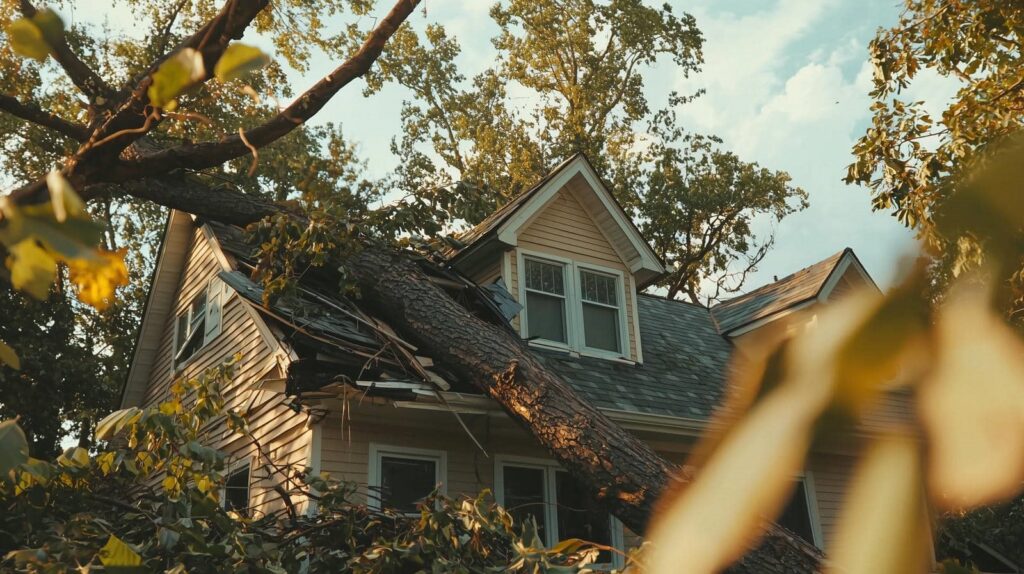
When storms strike, the aftermath can be devastating, affecting structures and the emotional well-being of those impacted. You may find yourself overwhelmed by the destruction, which can lead to feelings of isolation and uncertainty.
A thorough damage assessment is vital in understanding the extent of the impact. It allows you to identify which areas need immediate attention, helping to prioritize restoration efforts effectively.
During this process, it’s essential to recognize that the emotional recovery is as significant as the physical repairs. Engaging with community resources and support networks can foster a sense of belonging and resilience among those affected.
Key Steps in the Restoration Process
After understanding the emotional and physical toll of storm damage, it’s important to focus on the practical steps necessary for restoration. You’ll want to implement effective restoration techniques that ensure your space returns to its original condition.
Start with a thorough damage assessment to identify all affected areas.
Document Damage: Take photos and notes to support insurance claims and track progress.
Remove Debris: Clear out damaged materials to prevent mold growth and further deterioration.
Repair and Restore: Use appropriate restoration techniques, such as drying out water-damaged areas and repairing structural issues.
Preventative Measures to Minimize Future Damage
While storm damage can be unpredictable, implementing preventative measures can greatly reduce the risk of future occurrences. Start by employing effective storm-proofing techniques, such as reinforcing your roof and installing impact-resistant windows. These upgrades enhance your home’s resilience and foster a sense of security within your community.
Adopting regular maintenance schedules is equally vital. Check gutters, downspouts, and drainage systems to ensure they’re clear of debris, which can lead to water damage during heavy rains.
Inspect your property for weak spots, like loose siding or cracked foundations, and address them promptly.
Being proactive protects your home and strengthens your connection with neighbors who share a commitment to safeguarding their properties.
The Importance of Professional Assistance
Although you may feel tempted to handle storm damage repairs on your own, enlisting professional assistance is essential for ensuring thorough and effective restoration.
Professionals bring invaluable expertise to the table, ensuring a detailed approach to recovery. They provide an expert evaluation of the damage, identifying issues you might overlook. This ensures safety and aids in navigating the complexities of insurance claims.
- Accurate damage assessment to prevent future problems
- Faster restoration, minimizing disruption to your life
- Knowledge of local codes and regulations for compliance
Long-term Benefits of Effective Restoration Strategies
Effective storm damage restoration goes beyond immediate repairs; it lays the groundwork for long-term benefits that enhance your property’s resilience and value.
By investing in quality restoration strategies, you’re not just fixing what’s broken; you’re actively participating in your community’s economic recovery. A well-restored property can attract new businesses and residents, fostering a sense of belonging among neighbors.
Moreover, effective restoration contributes to community resilience. When homes and businesses are fortified against future storms, the entire area becomes stronger.
This collective strength enhances safety and nurtures relationships among community members, as everyone works together to rebuild and improve.
Conclusion
In the end, you might think ignoring storm damage restoration is a cost-saving measure, but that’s the irony—neglecting repairs only invites further disaster and expense down the line. By prioritizing effective restoration strategies, you safeguard your property and enhance community resilience. Investing in professional help and preventative measures now means you’re building a stronger foundation for the future. Ultimately, embracing restoration isn’t just a choice; it’s an essential step toward thriving in the face of adversity.
Recent Posts
5 Tips for Mold Removal After Water Damage
When water damage occurs, addressing mold promptly is vital to safeguard your health and property.
10 Key Tips for Storm Damage Restoration
When nature has a way of rearranging your environment, it’s vital to respond with a
Top Tips for Storm Damage Restoration at Home
Many homeowners experience some form of storm damage. When faced with such unexpected challenges, it’s