
Contents
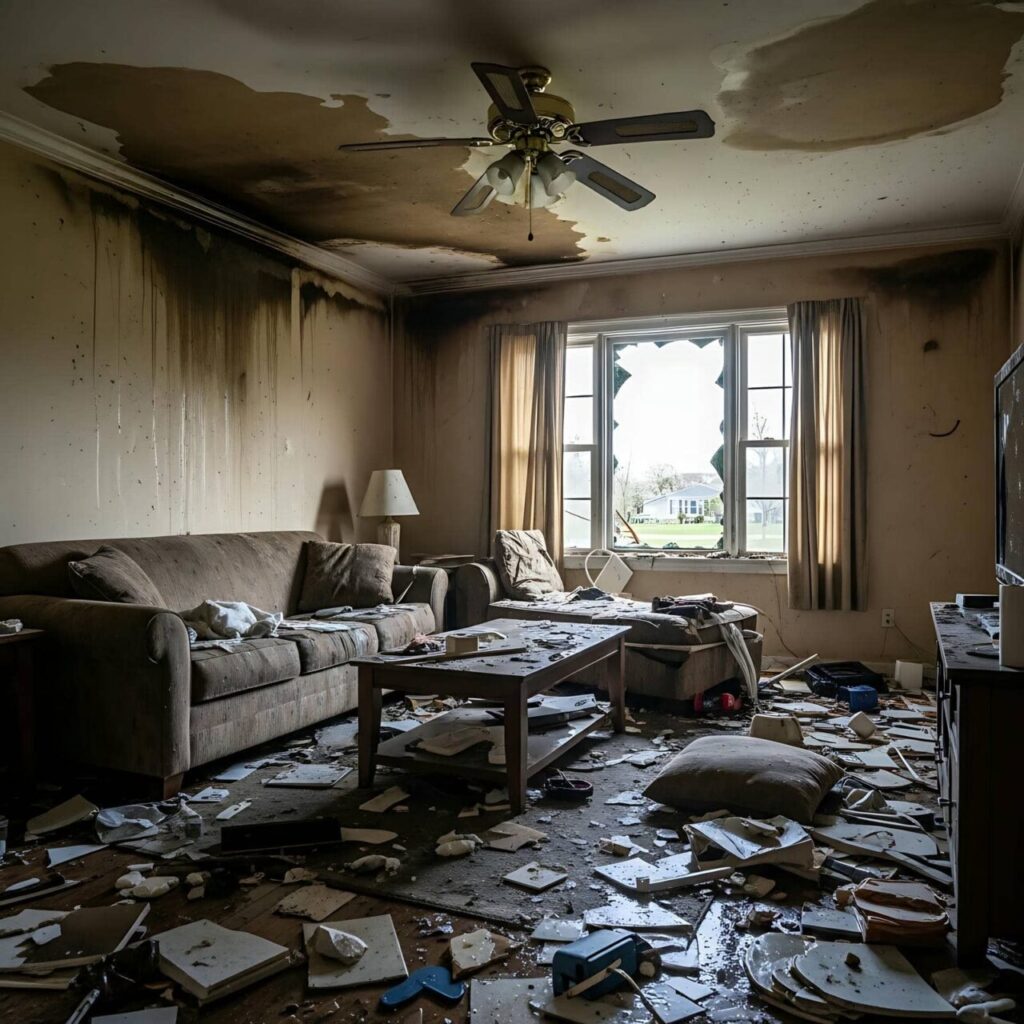
When water damage occurs, mold can start to develop within 24 to 48 hours, creating serious health risks like allergies and respiratory problems. Understanding the urgency of mold removal is essential. It’s not just about preventing structural damage; it’s about safeguarding your indoor air quality and ensuring a safe living environment. But what exactly happens if you ignore these early signs of mold growth? The consequences might be more severe than you’d expect.
Key Takeaways
- Mold can begin to grow within 24 to 48 hours after water damage, posing immediate health risks.
- Prompt removal prevents mold from spreading and minimizes exposure to allergens and toxins.
- Unaddressed mold can lead to severe respiratory issues, especially for individuals with pre-existing conditions.
- Mold can compromise structural integrity if left untreated, resulting in costly repairs.
- Effective remediation improves indoor air quality, creating a safer living environment for occupants.
The Health Risks Associated With Mold Growth
Although mold might seem like a minor inconvenience, it can pose serious health risks that you shouldn’t ignore.
Mold exposure often leads to mold allergies, which can trigger symptoms like sneezing, coughing, and itchy eyes. For those with pre-existing conditions, the stakes are even higher. You may experience increased respiratory issues ranging from asthma attacks to chronic bronchitis.
The spores released by mold can travel through the air, making it easy for you to inhale them without realizing it. This can complicate existing health issues or even lead to new ones.
If you live in a community where mold is prevalent, understanding these risks becomes essential for your well-being. By addressing mold growth promptly, you protect your health and create a safer environment for those around you.
Understanding the Mold Lifecycle
Understanding the mold lifecycle is essential for effectively managing and preventing mold growth in your home. Mold begins its lifecycle as spores, tiny particles that can easily travel through the air. When these spores land on a suitable surface, they require moisture, warmth, and organic material to thrive.
Environmental factors, like humidity levels and temperature, play a vital role in mold reproduction. Under ideal conditions, spores germinate, and mold colonies start to form within 24 to 48 hours.
As the mold grows, it releases more spores into the environment, perpetuating the cycle. You must recognize that certain areas in your home, like basements and bathrooms, are more susceptible to these conditions.
The Importance of Timely Mold Removal
Recognizing the mold lifecycle highlights the urgency of timely mold removal after water damage. Mold can begin to grow within 24 to 48 hours of moisture exposure, creating a threat to both your health and your property. By acting swiftly, you can prevent extensive damage and limit your exposure to allergens and toxins.
Utilizing effective mold detection methods is essential in identifying hidden infestations. Once you’ve identified potential growth, implementing moisture control measures helps minimize future risks. This involves repairing water damage and ensuring adequate ventilation and humidity management.
Timely intervention is key; the longer mold remains, the more entrenched it becomes, making it harder to remove. Additionally, neglecting mold can jeopardize your home’s structural integrity and diminish its value.
Effective Mold Remediation Techniques
When you’re faced with mold growth after water damage, employing effective remediation techniques is essential for restoring your space. Start with thorough mold testing to identify affected areas, ensuring a targeted approach. Once you’ve assessed the situation, utilize air filtration systems to remove airborne spores, improving indoor air quality.
Here’s a breakdown of effective techniques:
| Technique | Description | Benefits |
|---|---|---|
| Mold Testing | Identify mold type and extent | Tailored remediation efforts |
| Air Filtration | Use HEPA filters to capture spores | Reduces health risks |
| Surface Cleaning | Clean surfaces with appropriate solutions | Deters future growth |
| Moisture Control | Fix leaks and reduce humidity | Prevents reoccurrence |
Preventive Measures to Avoid Future Mold Issues
Preventing future mold issues requires a proactive approach, and implementing a few key strategies can make a significant difference.
Start with humidity control; keep indoor humidity levels below 60% by using dehumidifiers or air conditioners. This simple step creates an environment less conducive to mold growth.
Next, focus on ventilation improvement. Ascertain that areas like bathrooms and kitchens are well-ventilated by using exhaust fans or opening windows. This allows moisture to escape and reduces stagnant air, which can promote mold development.
Regularly check for leaks in plumbing and roofing, and address any issues immediately to prevent water accumulation.
Additionally, consider using mold-resistant materials in construction or renovations. By taking these preventive measures, you protect your home and contribute to a healthier living environment for you and your loved ones.
Frequently Asked Questions
How Quickly Can Mold Start to Grow After Water Damage?
Mold growth can start within 24 to 48 hours after water damage. Understanding this mold growth timeline helps you grasp water damage effects, emphasizing the importance of prompt action to prevent further complications in your space.
Can I Remove Mold Myself, or Should I Hire a Professional?
Imagine discovering mold in your basement after a flood. While DIY mold removal techniques can work, you need to prioritize DIY mold safety. Hiring a professional often ensures thorough removal and minimizes health risks effectively.
Is All Mold Harmful to Health?
Not all molds are harmful, but some toxic molds can trigger mold allergies and respiratory issues. It’s essential to identify the type of mold present, as some pose greater health risks than others. Stay informed and prioritize safety.
What Are the Signs of Hidden Mold in My Home?
Have you noticed musty odors or unexplained health issues? Hidden mold can thrive in damp corners. Utilize mold detection methods like visual inspections and moisture meters to identify hidden mold causes, ensuring your home remains safe and healthy.
How Do I Choose a Reliable Mold Remediation Service?
To choose a reliable mold remediation service, check their mold certification and read service reviews. Look for professionals who prioritize transparency and detail, ensuring you feel secure and confident in their abilities to handle your situation.
Review
Neglecting mold removal after water damage can lead to serious health risks and structural damage that may linger long after the visible signs disappear. With mold’s rapid growth potential, the stakes are high. You might think you’ve escaped unscathed, but hidden spores could be waiting to release their effects. By acting swiftly and employing effective remediation techniques, you safeguard your health and protect your home from becoming a breeding ground for future infestations.
Recent Posts
10 Key Tips for Storm Damage Restoration
When nature has a way of rearranging your environment, it’s vital to respond with a
Top Tips for Storm Damage Restoration at Home
Many homeowners experience some form of storm damage. When faced with such unexpected challenges, it’s
What Are Top Tips for Sewage Cleanup?
Is it really possible to effectively manage a sewage cleanup without proper preparation? Many underestimate