
Contents
A rising tide often symbolizes the unforeseen challenges life throws our way, like flood damage to your property. When water invades your space, swift action is your lifeline; it can mean the difference between minor repairs and extensive renovations. Understanding the right restoration methods not only protects your home but also safeguards your health. Are you prepared to face the hidden threats lurking in the aftermath?
Key Takeaways
- Swift action in flood damage restoration minimizes overall damage and protects property from further deterioration.
- Effective methods ensure thorough water extraction, reducing the risk of structural damage and promoting safety.
- Timely intervention prevents mold growth, safeguarding health and maintaining indoor air quality.
- Utilizing professional services guarantees expert assessment and advanced equipment for optimal restoration results.
- Comprehensive repairs enhance property value and ensure long-term safety and peace of mind.
The Importance of Swift Action in Flood Damage Restoration
When a flood strikes, every minute counts, as swift action can greatly mitigate the damage to your property. Your first step should be contacting emergency response services, ensuring professionals assess the situation accurately.
It’s essential to evaluate the extent of the flooding, identifying areas most affected. This damage assessment helps prioritize what needs immediate attention, whether it’s structural issues or personal belongings at risk.
You may feel overwhelmed, but remember, you’re not alone. Reaching out to neighbors or local support groups can provide emotional reassurance and practical advice.
Keeping a detailed record of the damage also aids in filing insurance claims later, which is vital for recovery. By acting quickly and efficiently, you not only protect your home but also foster a sense of community resilience.
Your proactive measures can make all the difference in turning a devastating event into a manageable recovery process.
Key Techniques for Effective Water Extraction
As you begin the water extraction process, understanding the right techniques can greatly influence the outcome of your restoration efforts.
Start with a thorough damage assessment to identify the source and extent of the water intrusion. This step is essential for effective water removal and guarantees you’re addressing the problem at its root.
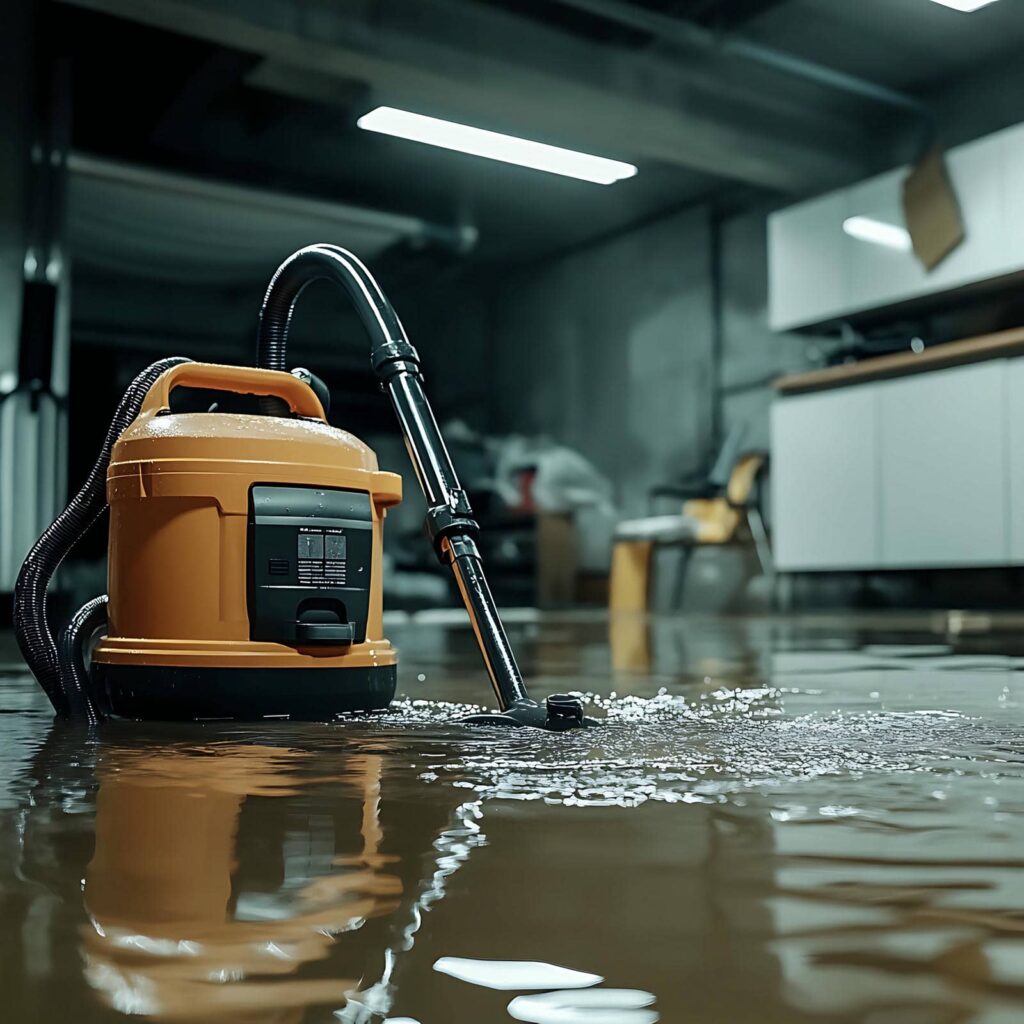
Utilize powerful pumps and wet vacuums to extract standing water efficiently. These tools help you manage the situation quickly, minimizing further damage.
Remember to prioritize safety—confirm the area is free of electrical hazards before proceeding.
After the initial extraction, employ dehumidifiers and fans to dry the affected spaces. This helps prevent lingering moisture, which can lead to more extensive damage.
Preventing Mold Growth Through Timely Intervention
After successfully extracting water and drying the affected areas, the next priority is preventing mold growth, which can develop within 24 to 48 hours in moist environments.
Timely intervention is vital for mold prevention, as it protects not only your property but also your health.
Here are some effective intervention strategies you can implement:
Monitor Humidity Levels****: Keep indoor humidity below 60% using dehumidifiers or air conditioning.
Ventilate Properly: Guarantee adequate airflow in all affected areas, especially in bathrooms and kitchens.
Inspect and Clean: Regularly check for hidden moisture and clean surfaces with mold-inhibiting solutions.
Seal Cracks: Address any leaks or gaps in walls and foundations to minimize moisture intrusion.
The Role of Professional Services in Restoration
Though you may feel compelled to tackle flood damage restoration on your own, enlisting professional services can make a critical difference in the outcome.
Professionals bring expert assessments that evaluate the extent of damage, ensuring nothing is overlooked. Their trained eyes can spot hidden moisture and structural weaknesses that you might miss, preventing future complications.
In addition to their knowledge, they come equipped with advanced restoration equipment designed to effectively remove water, dry out spaces, and restore your home to its former state.
This specialized gear works far more efficiently than standard tools, saving you time and potential heartache.
Long-term Benefits of Comprehensive Flood Damage Repair
When you invest in thorough flood damage repair, you’re not just addressing immediate concerns; you’re also safeguarding your home and health for the future.
Extensive repair offers several long-term benefits that enhance your quality of life:
Cost Savings: Preventing small issues from escalating into major repairs saves you money over time.
Increased Property Value: A well-maintained home retains or even boosts its market value, making it a wise investment.
Health Protection: Proper remediation eliminates mold and contaminants, ensuring a safer living environment for you and your loved ones.
Peace of Mind: Knowing your home is restored to safety helps you feel secure and connected to your space.
Frequently Asked Questions
How Can I Assess the Extent of Flood Damage?
To assess flood damage, you’ll want to employ flood assessment techniques and damage evaluation tools. Carefully inspect affected areas, documenting damage and moisture levels, ensuring you capture every detail for accurate restoration planning.
What Personal Safety Precautions Should I Take During Restoration?
During restoration, you should wear safety gear like gloves and boots. Watch for electrical hazards; verify power’s off before entering. Stay alert, prioritize your safety, and don’t hesitate to ask for help if needed.
Are There Any DIY Methods for Flood Damage Cleanup?
When life throws you a curveball, you can tackle flood cleanup with DIY techniques. Start by removing standing water, using fans for drying, and sanitizing surfaces to prevent mold. You’ve got this; your home deserves care!
How Do Insurance Claims Work for Flood Damage Restoration?
To navigate the claim process for flood damage, you’ll need to assess your insurance coverage, document the damage, and submit your claim promptly. Staying organized and informed helps guarantee you receive the support you deserve.
What Materials Are Most Affected by Flood Damage?
Flooded carpets absorb water like sponges, while damaged electronics short-circuit under pressure. You’ll find porous materials like drywall and insulation also suffer, creating a challenging environment that requires prompt, thorough restoration to reclaim your space.
Wrap-Up
In the face of flooding, your prompt response is pivotal. By prioritizing professional flood damage restoration, you not only protect your property but also preserve your peace of mind. Swiftly extracting water and preventing persistent mold problems guarantees a safer, healthier space. Remember, thorough repairs revive your home’s resilience, safeguarding against future floods. Embrace effective methods, and you’ll transform trauma into triumph, restoring your sanctuary with skill and sensitivity. Your home deserves nothing less than dedicated diligence.
Recent Posts
10 Key Tips for Storm Damage Restoration
When nature has a way of rearranging your environment, it’s vital to respond with a
Top Tips for Storm Damage Restoration at Home
Many homeowners experience some form of storm damage. When faced with such unexpected challenges, it’s
What Are Top Tips for Sewage Cleanup?
Is it really possible to effectively manage a sewage cleanup without proper preparation? Many underestimate