
Contents
Storm damage can often be deceptive, with some issues lurking beneath the surface, unnoticed until it’s too late. Understanding how to effectively assess the extent of damage to your home is essential for timely repairs and insurance claims. By incorporating a few key techniques, you can ensure a thorough evaluation. Let’s explore the best methods to identify both visible and hidden storm damage that could impact your property.
Key Takeaways
- Conduct a thorough visual inspection of the exterior surfaces, focusing on the roof, siding, and gutters for visible damage.
- Utilize professional assessment tools like thermal imaging to uncover hidden issues such as moisture and insulation problems.
- Employ drones for aerial inspections to obtain high-resolution images of hard-to-reach areas and pinpoint damage accurately.
- Document all damage with clear, well-lit photographs, including timestamps and geo-tags to support insurance claims.
- Prepare detailed reports of findings to facilitate communication and negotiations with insurance adjusters, ensuring a smoother claims process.
Visual Inspection of Exterior Surfaces
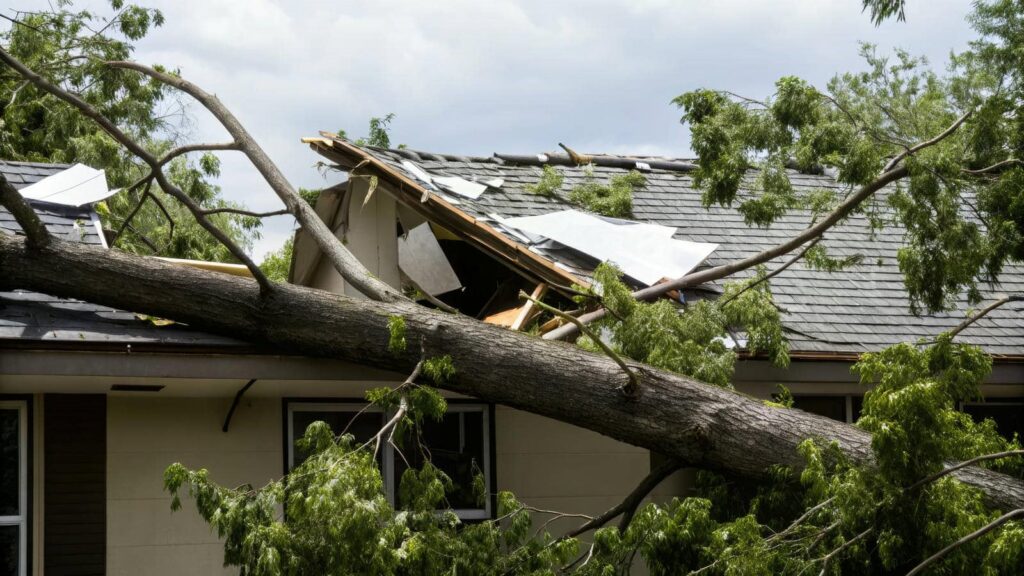
When evaluating storm damage, a thorough visual inspection of exterior surfaces is essential, as it allows you to identify visible signs of impact and deterioration.
Start with the roof condition, checking for missing shingles, leaks, or structural weaknesses. Pay attention to any surface materials, such as tiles or metal, that may have suffered dents or cracks. Inspect gutters and downspouts for debris or detachment, as these can indicate underlying issues.
Next, examine siding and windows. Look for cracks, warping, or peeling paint, which can signal moisture penetration.
Don’t forget to assess the foundation—any shifts or cracks here could lead to significant problems. Document your findings carefully, noting specific areas of concern.
This visual inspection not only helps you understand the extent of damage but also provides valuable information for any future repairs or insurance claims. Your proactive approach can ensure your home remains a safe haven for you and your loved ones.
Documenting Damage With Photography
While a visual inspection provides a foundational understanding of storm damage, documenting the damage with photography is essential for a thorough assessment. High-quality images serve as invaluable evidence when filing insurance claims and can greatly impact the outcome of your damage assessment.
Start by capturing wide-angle shots of your property to showcase the overall scene; then zoom in on specific areas of concern, like roof damage or broken windows.
Ensure that your images are clear and well-lit, as blurry or dark photos may not effectively convey the extent of the damage. Include timestamps and geo-tags if possible, as this information can lend credibility to your claims.
Don’t forget to document any personal property affected by the storm. By taking the time to create a detailed photographic record, you’re not just protecting your interests; you’re also fostering a sense of community as you navigate recovery together with your neighbors.
Utilizing Professional Assessment Tools
As you assess storm damage, utilizing professional assessment tools can greatly enhance the accuracy and efficiency of your evaluation. Incorporating thermal imaging allows you to detect hidden moisture and insulation issues that may not be visible to the naked eye. This technology helps you identify areas at risk for mold growth, ensuring you address problems before they escalate.
Additionally, drone inspections provide a detailed view of your property, allowing you to survey large areas quickly and safely. Drones can capture high-resolution images and videos, making it easier to pinpoint damage on roofs and other hard-to-reach locations.
Conclusion
By combining visual inspections, detailed photography, and advanced evaluation tools, you can create a vivid picture of your property’s condition post-storm. Imagine standing on your roof, the sun casting shadows over cracked shingles, while your camera captures every detail. With thermal imaging revealing hidden leaks and drones soaring overhead, you’re not just evaluating damage—you’re uncovering potential dangers before they escalate. This proactive approach ensures your home remains a safe haven, ready to weather any storm that comes your way.
Recent Posts
What Repairs Stop Mold After Water Damage
To Stop Mold After Water Damage, you need to fix the moisture source first, then
Why Does Leak Water Damage Cause Mold?
Like a slow leak in a ship’s hull, water damage in your home keeps feeding
Ceiling Leak Water Damage Mold Repair Guide
You notice a ceiling stain the same day a drip starts, and that coincidence matters