
Contents
If you’re dealing with water damage, you need a repair service that moves fast, documents the loss, and prevents hidden problems from spreading. Professionals can help with rapid extraction to mold remediation and precise structural repairs. But the right choice depends on the damage you’re facing, and the first few hours can change the outcome more than you might expect.
Key Takeaways
- Choose a water damage repair service with 24/7 emergency response and immediate extraction capabilities.
- Look for certified technicians who can handle drying, structural repairs, and mold prevention.
- Select a company that provides leak detection, ceiling repair, and insurance documentation support.
- Prioritize services with strong local reviews, fast arrival times, and clear restoration plans.
- Verify they offer moisture inspection, containment, and long-term prevention recommendations.
Emergency Steps After Water Damage
When water damage hits, act fast to limit structural damage, mold growth, and electrical hazards. You should shut off power to affected areas if it’s safe, then stop the water source and move valuables to a dry zone.
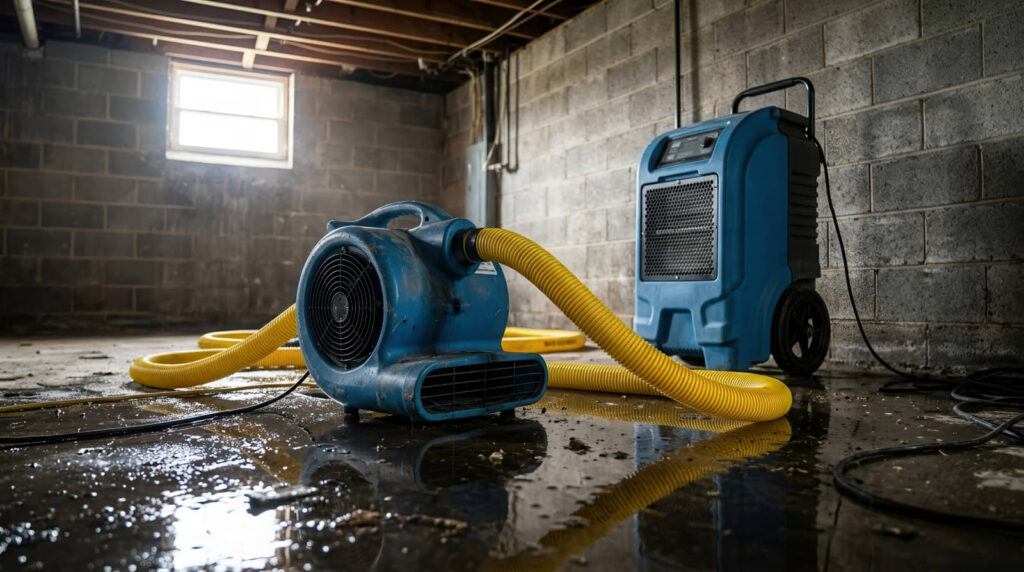
Document the scene with photos and notes for insurance claims before you disturb anything. Next, contact a trusted restoration team for immediate water extraction, moisture mapping, and drying guidance.
Open windows only if outdoor humidity is low, and run fans to improve airflow. Remove soaked rugs or textiles if you can do so safely.
Stay connected with your service provider, ask questions, and follow their mitigation plan so you’re not handling this alone.
How to Repair a Ceiling Leak
Before you repair a ceiling leak, you need to find and stop the moisture source, because patching the stain alone won’t solve the problem. Use leak detection to trace plumbing lines, roof penetrations, or HVAC condensate above the damaged area.
Once dry, cut away loose drywall, then inspect framing for soft spots. If the surface is stable, apply a stain-blocking primer and proceed with ceiling patching using mesh tape, joint compound, and light sanding between coats.
Match the texture carefully so your repair blends in. Restore insulation only after the cavity stays dry. You’ve got this, and a careful method helps your home feel secure again.
If the leak returns, recheck seals and connections before finishing.
When to Call for Mold Remediation
Mold can start growing within 24 to 48 hours after water intrusion, so you should call for remediation as soon as you see visible growth, notice a persistent musty odor, or find damp materials that have stayed wet too long.
You should also act fast if you’ve had sewage backup, hidden leaks, or repeated flooding, because these conditions drive mold growth behind walls and under flooring. A certified team can inspect moisture, contain affected areas, and remove contaminated materials before health risks spread through your home.
If you or your family notice coughing, headaches, or irritation, don’t wait. Quick remediation helps you protect your space, restore indoor air quality, and feel confident your home is getting the care it deserves.
Frequently Asked Questions
How Do Water Damage Repair Services Estimate Project Costs?
You’ll get costs estimated by evaluating damage size, water category, materials affected, drying needs, and labor. Clear cost factors and pricing transparency help you compare quotes, feel included, and plan repairs confidently.
What Certifications Should a Water Damage Repair Company Have?
You should look for IICRC, EPA, and OSHA credentials; these certification types prove they follow industry standards, use safe drying methods, and protect your home, so you’ll feel confident, informed, and included throughout remediation.
How Long Does Professional Water Damage Restoration Usually Take?
Usually, you’ll need 3–7 days for professional water damage restoration. For example, if a pipe bursts at midnight, your emergency response starts fast, then your restoration timeline depends on drying, damage scope, and repairs.
Does Homeowners Insurance Cover All Water Damage Repairs?
No, your homeowners insurance usually doesn’t cover all water damage repairs. You’ll want to check your policy for water damage types and insurance exclusions, since sudden pipe bursts may qualify, while floods often don’t.
Can Water Damage Repair Services Help With Sewage Backups?
Yes, they can. You’ll get sewage cleanup, disinfection, and drying that reduce health risks. Technicians inspect contamination, remove damaged materials, and restore safe conditions, so you feel supported, protected, and back at home faster.
Recap
When you face water damage, act fast, shut off the source, and call a trusted team before the damage spreads. For example, if a ceiling leak leaves drywall damp and stained, restoration professionals can quickly extract the water, assess the risk of hidden mold, and thoroughly dry and restore the affected area while keeping you informed throughout the process. By choosing an expert services, you’ll protect your home, reduce repairs, and get back to normal sooner.
Recent Posts
How to Remove Odors After Damage
Damage can look clean while odors still linger, and you need to treat both at
What Is Mold Remediation After Leaks?
After a leak, mold can start growing before you notice visible staining, because hidden moisture
Water Damage Repair and Odor Removal
When you spot ceiling stains, damp drywall, or a musty odor, you need to act