
Contents
After a leak, mold can start growing before you notice visible staining, because hidden moisture often remains in drywall, insulation, or framing. You need more than surface cleaning to fix it; true mold remediation identifies the wet materials, contains the affected area, removes contaminated components, and verifies drying. If you want to avoid recurring damage and health risks, the next step matters more than most people expect.
Key Takeaways
- Mold remediation after leaks removes mold, dries moisture, and restores safe indoor conditions.
- It starts by fixing the leak and containing the affected area to prevent mold spread.
- Technicians remove contaminated porous materials and clean salvageable surfaces.
- They check for hidden moisture, staining, and damage in ceilings, walls, and damp materials.
- Prevention includes thorough drying, antimicrobial treatment, and long-term moisture control.
What Is Mold Remediation After Leaks?
Mold remediation after leaks is the process of identifying, containing, removing, and preventing mold growth that develops when water from a leak saturates building materials. You use it to restore a safe indoor environment while limiting spread to adjacent areas.
Technicians assess moisture, isolate affected zones, remove contaminated materials, and clean remaining surfaces with appropriate methods. They also verify drying so hidden growth can’t persist.
Different mold types respond differently to moisture and material porosity, so you get a targeted plan instead of a one-size-fits-all approach. This process matters because untreated growth can create health risks, especially for sensitive occupants.
When you address it promptly, you protect your space, support your household, and regain confidence in your home.
What Signs Show a Leak Caused Mold?
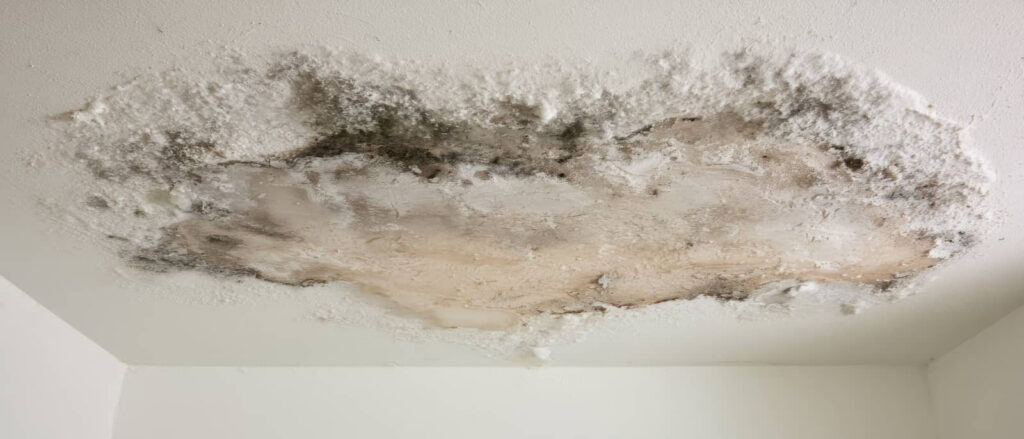
If a leak has started mold growth, you’ll usually notice musty odors, visible discoloration, or damp materials that stay wet long after the water source is fixed.
You may also see peeling paint, warped drywall, or dark spotting around baseboards, windows, and plumbing penetrations. These clues often point to hidden moisture that mold needs to spread.
During leak detection, you should look for recurring staining, soft surfaces, and rooms that feel humid despite normal ventilation.
A careful moisture assessment helps confirm whether water remains trapped behind finishes or under flooring.
If these signs appear, don’t ignore them; they suggest active conditions that can worsen quickly.
You belong in a dry, healthy space, and early recognition gives you the clearest path to resolving the issue safely.
How Does Ceiling Leak Mold Remediation Work?
Ceiling leak mold remediation starts with stopping the water source, then drying the structure, removing contaminated materials, and cleaning the remaining surfaces before the mold can spread further.
You’ll get a ceiling inspection to identify hidden staining, soft drywall, and affected insulation.
Then technicians isolate the area, control dust, and use targeted drying to lower indoor moisture.
If materials are porous and colonized, they’re removed and bagged; salvageable framing and finishes are cleaned and treated.
You stay informed at each step, so you know what’s safe to keep and what needs replacement.
Effective moisture control matters because mold returns when dampness remains.
When the work’s done correctly, your ceiling feels clean, stable, and ready to support a healthier home environment for everyone in it.
Why Does Fast Water Damage Repair Matter?
Fast water damage repair limits how far moisture can spread into drywall, framing, insulation, and flooring, which helps prevent mold from taking hold.
When you act quickly, you reduce the time materials stay wet, and that lowers the chance of hidden growth inside wall cavities. You also protect indoor air quality and keep repair costs from climbing.
Technicians can measure moisture, dry affected areas, and verify that conditions are returning to normal. These prevention strategies work best in the first hours after a leak, when water damage is still localized.
If you respond fast, you’re not just fixing a problem—you’re protecting the structure you rely on and staying part of a safer, healthier space with your household.
What Gets Removed During Mold Remediation?
During mold remediation, technicians remove materials that can’t be cleaned safely or that have absorbed moisture deeply enough to support ongoing growth. You’ll usually see mold removal focus on drywall, insulation, carpet, ceiling tiles, and damaged trim, because these affected materials trap spores and water.
Crews also discard porous contents and detach contaminated surfaces that keep shedding residue after washing. This step isn’t about overreaction; it’s about reducing health risks and restoring a stable indoor environment you can trust.
When removal is done correctly, you’re not left guessing which hidden materials are still compromised. You gain a cleaner, safer space with fewer sources for recurrent contamination, and you can feel confident that the remediation team has handled the worst-impacted building components.
How Do Professionals Stop Mold From Returning?
After the damaged materials are removed, professionals focus on stopping the conditions that let mold come back. You’ll see them dry every hidden cavity, measure moisture levels, and verify that walls, floors, and framing are within safe limits.
They seal leaks, improve drainage, and restore airflow so dampness doesn’t linger. In some cases, they apply antimicrobial treatments to cleaned surfaces and replace porous materials that can’t stay dry.
These preventive measures also include sealing gaps, correcting humidity control, and documenting baseline readings for follow-up. When you work with a trained team, you get long term solutions, not just surface cleanup.
That means you can feel confident your space is being protected with methods designed to keep your home healthier, safer, and more stable over time.
When Should You Call for Emergency Mold Help?
You should call for emergency mold help when you see rapid growth, widespread contamination, or signs that moisture is still active after a leak.
If you notice a musty odor, wall staining, or soft drywall, act fast. You’re not overreacting; you’re protecting your space and the people who share it.
Professionals can start emergency response, isolate affected rooms, and verify hidden moisture before damage spreads.
Call immediately if:
- mold covers more than 10 square feet
- water keeps entering from a pipe, roof, or appliance
- anyone has asthma, allergies, or immune concerns
- HVAC systems may have distributed spores
After containment, follow mold prevention tips to reduce future risk.
With prompt action, you can restore a safe, healthy environment and feel confident your home’s recovery is on track.
Frequently Asked Questions
Can Mold Remediation Fix Hidden Mold Inside Wall Cavities?
Yes, you can fix hidden mold in wall cavities through professional remediation. You’ll need inspection, containment, removal of damaged materials, drying, and treatment. That process restores safety and helps you feel confident again.
How Much Does Mold Remediation After Leaks Usually Cost?
You’ll usually pay $500–$6,000 for mold remediation after leaks, depending on area size and damage. Mold testing may add $200–$800. Strong prevention strategies keep your home safer, and you’re not facing this alone.
Is Mold Remediation Safe for Pets and Children?
Yes, mold remediation can be safe for pets and children, like a sealed bridge over rough water. You’ll protect pet safety and child safety by evacuating, ventilating, and following containment protocols during cleanup.
Does Homeowners Insurance Cover Leak-Related Mold Removal?
Yes, your homeowners insurance may cover leak-related mold removal if your insurance policy includes sudden water damage; you’ll still need to meet homeowner responsibilities, like prompt reporting, mitigation, and documentation, to strengthen your claim.
How Long Does Mold Remediation Typically Take After a Leak?
You’ll usually wait 1–5 days for drying, 1–3 days for inspection, and 1–7 days for the remediation process. Bigger leaks mean more mold growth, but you can expect clear, stepwise progress.
Final Thoughts
You can’t see mold as a surprise guest after a leak, yet it often shows up anyway. That’s why you need prompt mold remediation: it isolates the damage, removes contaminated materials, dries what can be saved, and helps stop regrowth. If you act fast, you protect your structure, your air quality, and your peace of mind. When water sneaks in, the real fix isn’t waiting—it’s precise cleanup before a small leak becomes a larger problem.
Recent Posts
How to Remove Odors After Damage
Damage can look clean while odors still linger, and you need to treat both at
3 Best Water Damage Repair Services
If you’re dealing with water damage, you need a repair service that moves fast, documents
Water Damage Repair and Odor Removal
When you spot ceiling stains, damp drywall, or a musty odor, you need to act