
Contents
When faced with an unfortunate plumbing mishap, it’s essential to stay composed and follow important burst pipe steps to mitigate damage. First, you’ll want to assess the situation and pinpoint the source of the leak. Next, shutting off the water supply is imperative to prevent further issues. But that’s just the beginning; understanding how to effectively manage the aftermath can save you time and money. Let’s explore the key actions you should take in this emergency.
Key Takeaways
- Inspect for visible cracks or leaks in pipes and document findings for repairs or insurance claims.
- Shut off the main water supply to prevent further flooding and inform household members.
- Drain remaining water by opening faucets, flushing toilets, and using a wet/dry vacuum for standing water.
- Contact a licensed plumber to assess the damage and perform necessary repairs safely.
- Begin the drying process by removing water, using fans and dehumidifiers, and checking for dampness in materials.
Assess the Situation and Identify the Source
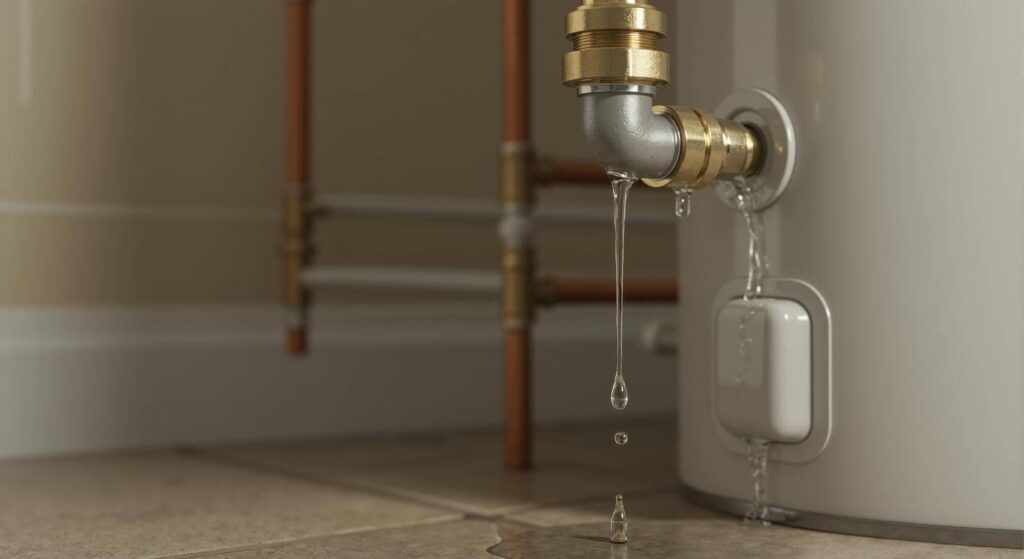
When a pipe bursts, it’s essential to quickly assess the situation and identify the source of the leak. Start by performing a thorough pipe inspection around the area where you notice water pooling or dripping. Look for visible cracks, breaks, or corrosion in the pipes.
If you can’t pinpoint the source immediately, pay attention to unusual wet spots on walls or ceilings, as they might indicate hidden leaks.
Next, consider the potential water damage. Check for any dampness in surrounding materials, like drywall or flooring, which can lead to mold or structural issues if left unaddressed.
Document your findings, as this information can be crucial for repairs or insurance claims.
Shut Off the Water Supply
To prevent further water damage, immediately shut off the water supply to your home. Locate your main water shutoff valve—typically found in basements, crawl spaces, or near the foundation. Turning it clockwise will stop the flow of water, essential for effective emergency preparedness.
Here’s a quick reference table to assist you:
| Step | Action |
|---|---|
| 1. Locate the Valve | Find your main water shutoff valve |
| 2. Turn Off | Rotate the valve clockwise |
| 3. Check for Leaks | Inspect for any remaining leaks |
| 4. Notify Others | Inform household members |
Drain the Pipes and Remove Excess Water
Draining the pipes is essential to minimize water damage after a burst pipe. Start by opening all faucets in your home, allowing the remaining water to flow out. This also relieves any pressure in your plumbing system.
Next, flush toilets to help drain excess water from the tanks and bowls. If you have access to a wet/dry vacuum, use it to remove standing water, especially from areas where water tends to accumulate.
While you’re at it, inspect the pipe insulation around your plumbing. Damaged or wet insulation can lead to mold growth and further water damage. If it’s compromised, consider replacing it to prevent future issues.
Contact a Professional Plumber
After you’ve drained the pipes and removed excess water, your next step is to contact a professional plumber.
It’s essential to choose someone with the right qualifications, as they’ll have the expertise to diagnose and fix the issue effectively. Look for licensed plumbers with experience in emergency services; they’re trained to handle urgent situations like burst pipes swiftly and efficiently.
When you call, provide details about the situation—including when it occurred and any immediate actions you’ve taken. This information helps the plumber prepare for the job and ensures they bring the necessary tools.
Don’t underestimate the importance of a professional’s assistance. Attempting repairs on your own might lead to further damage or safety hazards.
Start the Drying and Restoration Process
Once you’ve contacted a professional plumber, it’s essential to start the drying and restoration process immediately to minimize water damage.
Begin by removing any standing water using a wet/dry vacuum or appropriate pumps. This step is vital for effective moisture control.
Next, focus on drying techniques. Use fans, dehumidifiers, and open windows to enhance air circulation and reduce humidity levels in the affected area.
Inspect walls, floors, and belongings for dampness; remove any items that retain moisture, as they can lead to mold growth. If necessary, consider using specialized drying equipment to target more severe damp spots.
Throughout this process, keep communication open with your plumber, as they can provide guidance tailored to your specific situation.
Frequently Asked Questions
How Can I Prevent Future Pipe Bursts?
To prevent future pipe bursts, ensure proper pipe insulation is installed, and maintain consistent temperature regulation in your home. This helps avoid freezing and overheating, protecting your plumbing system from potential damage and costly repairs.
Is Homeowners Insurance Likely to Cover Pipe Damage?
Homeowners insurance often covers pipe damage, but it depends on your policy limits and specific coverage terms. Always review your policy to understand what’s included, ensuring you’re adequately protected against potential water damage.
What Tools Do I Need for Pipe Emergencies?
For pipe emergencies, you’ll need essential tools like a pipe wrench, adjustable pliers, sealant tape, and emergency supplies to tackle repairs effectively and swiftly.
Can I Use Duct Tape as a Temporary Fix?
You can use duct tape for a temporary repair, but its effectiveness varies. Make certain the pipe’s clean and dry before applying. Remember, it’s not a permanent solution, so plan for a proper fix soon.
How Long Does It Take for Pipes to Dry Completely?
It usually takes several days for pipes to dry completely, depending on the drying techniques used and the moisture measurement. Effective ventilation and dehumidifiers can expedite the process, ensuring your space returns to normal quickly.
Review
In a burst pipe emergency, acting swiftly is essential. Once you’ve assessed the situation and shut off the water supply, draining the pipes is your next priority. Contacting a professional plumber ensures you get expert help, while starting the drying process prevents mold and further damage. Remember, ignoring the situation won’t make it disappear—like trying to fix a smartphone with a rotary dial. Stay proactive, and you’ll minimize the impact of the disaster on your home.
Recent Posts
Why Follow Flood Damage Restoration Procedures?
When flood damage occurs, following damage restoration procedures isn’t just a choice—it’s essential. You risk
What Are Key Procedures for Flood Damage Restoration?
Imagine a home flooded after a heavy storm, leaving behind significant water damage. Your first
Essential Steps for Residential Flood Damage Restoration
When dealing with residential flood damage, you need to follow a systematic approach to ensure