
Contents
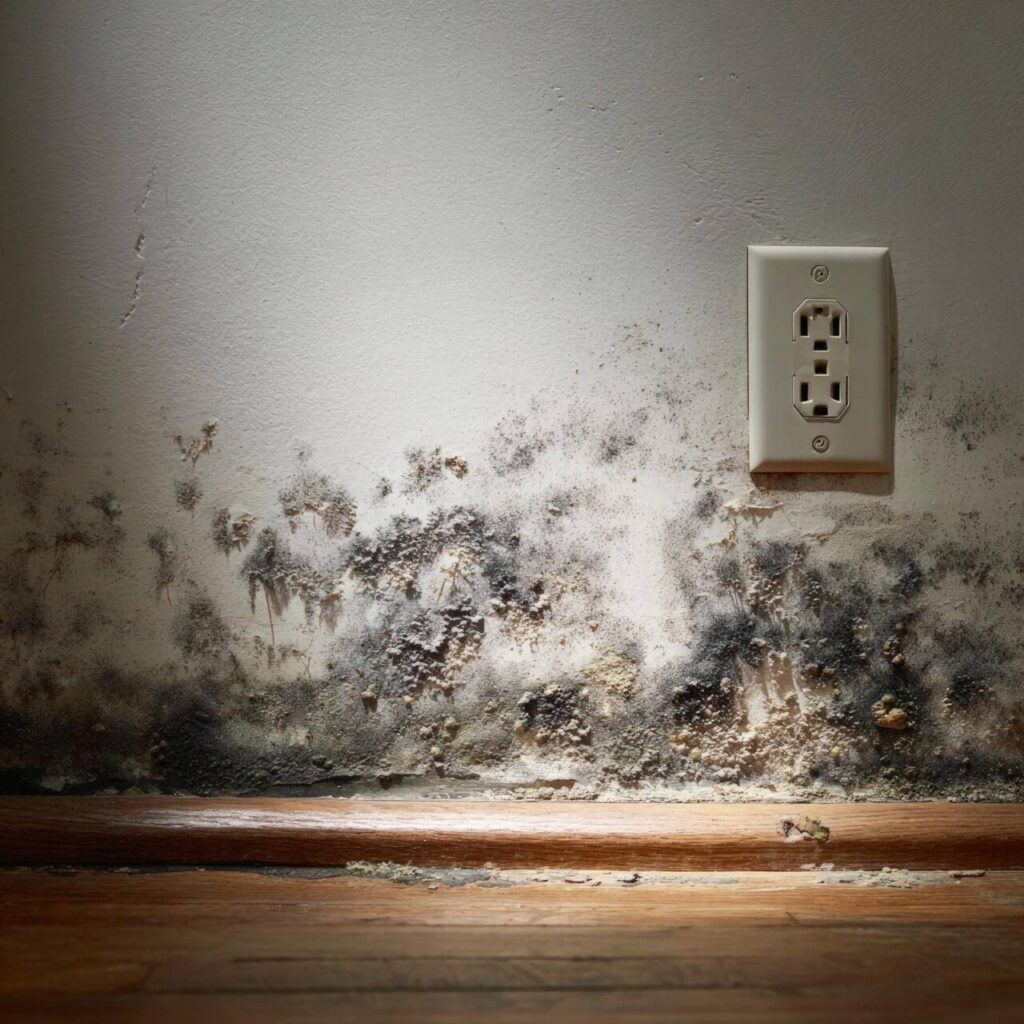
Mold growth affects air quality and can also lead to serious health issues. To safeguard your living space, it’s essential to implement effective home maintenance practices. By focusing on key areas like leak inspections, ventilation, and humidity control, you can greatly reduce mold risks. Are you aware of the specific steps you can take to protect your home from mold?
Key Takeaways
- Regularly inspect plumbing for leaks and take immediate action to prevent moisture buildup and mold growth.
- Maintain indoor humidity levels between 30% and 60% using dehumidifiers and exhaust fans in damp areas.
- Clean gutters and roofs twice a year to prevent water damage and ensure proper drainage away from the foundation.
- Seal cracks and gaps in insulation to reduce moisture intrusion and maintain consistent indoor temperatures.
- Monitor and maintain airflow by regularly cleaning HVAC systems and ensuring good ventilation throughout the home.
Regularly Inspect and Repair Leaks
Since even small leaks can lead to significant mold growth, it’s crucial to regularly inspect your home for any signs of moisture.
Start by checking areas around sinks, toilets, and water heaters—common sites for leaks. Utilize leak detection methods, such as monitoring your water meter for unexplained changes, to identify potential issues early. A small drip can escalate into costly plumbing maintenance if overlooked.
Pay attention to water stains on walls and ceilings, as these can indicate hidden leaks. Make it a habit to examine your home’s plumbing fixtures and connections routinely.
If you spot any leaks, take immediate action; repairing them promptly can save you from extensive mold problems down the line.
Moreover, fostering a proactive approach to leak detection protects your home and enhances your sense of belonging and peace of mind, knowing you’re taking steps to maintain a healthy living environment.
Maintain Proper Ventilation
Even after addressing leaks, mold can still thrive in damp environments, making proper ventilation vital for a healthy home. To effectively combat mold growth, you need to implement effective airflow strategies throughout your living spaces.
Start by ensuring that your ventilation systems are functioning at their best. This includes regularly cleaning filters and checking ducts for blockages.
In areas prone to moisture, like kitchens and bathrooms, install exhaust fans to help expel humid air. Open windows whenever the weather permits to promote natural airflow, reducing stagnant air that can encourage mold proliferation.
Consider using dehumidifiers in particularly humid areas to further enhance air circulation.
It’s essential to create a balanced environment where fresh air circulates freely, allowing moisture to escape rather than accumulate. By prioritizing proper ventilation, you’re safeguarding your home and fostering a healthier environment for yourself and your loved ones.
Control Indoor Humidity Levels
Maintaining indoor humidity levels between 30% and 60% is vital for preventing mold growth in your home. High humidity creates a perfect breeding ground for mold spores, which can lead to health issues and costly repairs.
To control moisture, consider using a dehumidifier in areas prone to dampness, such as basements and bathrooms. A dehumidifier reduces humidity and enhances overall air quality.
Regular humidity monitoring is important. Invest in a hygrometer to track your indoor humidity levels. If you notice readings above 60%, it’s time to take action.
Additionally, ensure proper ventilation in your home, especially in high-moisture areas. Open windows when the weather permits, and use exhaust fans while cooking or showering.
Clean and Maintain Gutters
Cleaning and maintaining your gutters is essential for preventing water damage and mold growth in your home. Clogged gutters can disrupt proper water drainage, leading to overflow that seeps into your foundation or roof, creating an ideal environment for mold.
To keep your gutters effective, you should clean them at least twice a year, especially in the fall and spring. Remove leaves, twigs, and other debris that can block water flow.
After cleaning, check for any signs of damage or rust and make necessary repairs. Verify that downspouts direct water away from your home’s foundation, ideally at least six feet away.
If you notice any persistent issues, like pooling water or leaks, consider installing gutter guards to reduce debris accumulation.
Use Mold-Resistant Products
After ensuring your gutters are clear and functioning properly, consider incorporating mold-resistant products into your home maintenance strategy. Using materials designed to inhibit mold growth can greatly reduce your risk of infestation.
| Product Type | Benefits |
|---|---|
| Mold Resistant Paints | Prevents mold growth on walls, and is easy to clean |
| Mold-Resistant Drywall | Resists moisture, ideal for high-humidity areas |
| Mold Inhibiting Sealants | Protects surfaces from moisture intrusion |
Ensure Adequate Insulation
To effectively prevent mold growth, you need to understand the different types of insulation available and their specific benefits.
It’s essential to seal gaps and cracks properly, as this helps maintain consistent temperatures and reduces moisture buildup.
Regular inspections of your insulation will ensure it remains effective, keeping mold at bay.
Insulation Types Overview
Understanding the different types of insulation is essential for maintaining a mold-free home environment. Proper insulation helps regulate temperature and moisture levels, reducing mold growth risks.
Here’s a quick overview of popular insulation types:
Fiberglass Batts: These are pre-cut panels that fit between wall studs. They’re cost-effective and provide decent thermal resistance, but can absorb moisture if not installed correctly.
Spray Foam: This expands to fill gaps, offering superior air sealing and moisture control. It’s ideal for hard-to-reach areas but tends to be more expensive.
Cellulose: Made from recycled paper, it’s an eco-friendly option that provides good insulation but can settle over time, reducing effectiveness.
Choosing the right insulation can make a significant difference in your home’s comfort and mold prevention.
Importance of Sealing
Sealing your home properly is essential for ensuring adequate insulation and preventing mold growth. By employing effective sealing techniques, you can greatly reduce the risk of moisture intrusion, which is a primary factor in mold development. Here’s a quick overview of the sealing benefits you can experience:
| Sealing Technique | Benefit | Recommended Area |
|---|---|---|
| Caulking | Prevents air leaks | Windows and doors |
| Weatherstripping | Enhances energy efficiency | Entry points |
| Foam Insulation | Reduces thermal bridging | Walls and ceilings |
| Vapor Barriers | Controls moisture levels | Basements and crawl spaces |
| Spray Foam | Provides superior insulation | Attics and walls |
Investing time in these techniques helps create a more comfortable home while safeguarding against mold issues.
Regular Inspection Practices
While you might focus on sealing techniques, regular inspection practices are equally essential to confirm adequate insulation and prevent mold growth.
To effectively maintain your home, consider the following items on your inspection checklist:
Inspect Attics and Basements: Check for any signs of moisture or improper insulation. These areas are often overlooked but are vital for mold prevention.
Evaluate Windows and Doors: Verify seals are intact and look for drafts that could indicate inadequate insulation.
Assess HVAC Systems: Regularly clean and inspect your heating and cooling systems, as they can contribute to humidity levels.
Conduct Routine Home Inspections
Regular home inspections are essential for identifying potential mold issues before they escalate. By conducting seasonal checks, you can spot early signs of moisture accumulation, which is a breeding ground for mold. Make it a habit to look at areas like your basement, attic, and bathrooms.
Here’s a quick checklist to guide your inspections:
| Area to Inspect | What to Look For | Recommended Frequency |
|---|---|---|
| Basements | Water stains, dampness | Every season |
| Attics | Leaks, insulation damage | Every season |
| Bathrooms | Grout, caulk deterioration | Monthly |
| Windows | Condensation, leaks | Every season |
| Roofs | Missing shingles, debris | Twice a year |
Frequently Asked Questions
How Do I Identify Mold in Hidden Areas of My Home?
To identify hidden mold, use mold detection techniques like inspecting for hidden mold signs such as discoloration, musty odors, or moisture in walls and ceilings. Regular checks help you maintain a healthier environment for everyone.
What Are the Health Effects of Mold Exposure?
Mold exposure can lead to various health risks, including respiratory issues, allergies, and skin irritations. You might experience mold symptoms like coughing, sneezing, or headaches, which signal the need for immediate action to protect your well-being.
Can I Remove Mold Myself or Should I Hire a Professional?
You can tackle DIY mold removal for small areas, but hiring a professional mold remediation service is wise for extensive infestations. Professionals ensure thoroughness and safety, protecting your home and health from potential risks.
What Materials Are Most Susceptible to Mold Growth?
You know the saying, “A stitch in time saves nine.” Wood surfaces and damp fabrics are particularly susceptible to mold growth. By identifying these materials early, you can prevent further damage and create a healthier space.
How Often Should I Perform Home Inspections for Mold?
You should conduct mold inspections at least twice a year during seasonal maintenance. This frequency helps you identify potential issues early, ensuring your home stays safe and healthy while fostering a sense of community and belonging.
Wrap-Up
By following these essential maintenance tips, you can greatly reduce the risk of mold growth in your home. For instance, consider a homeowner who regularly inspects their roof and promptly addresses any leaks. This simple action prevents moisture accumulation, safeguarding their living space. When you prioritize leak inspections, proper ventilation, and humidity control, you create a healthier environment for you and your family. Stay proactive, and you’ll enjoy a mold-free home for years.
Recent Posts
Why Does Leak Water Damage Cause Mold?
Like a slow leak in a ship’s hull, water damage in your home keeps feeding
Ceiling Leak Water Damage Mold Repair Guide
You notice a ceiling stain the same day a drip starts, and that coincidence matters
Why Mold Remediation Matters After Flooding
When floodwater lingers, mold doesn’t wait. It can spread through wet drywall, saturated insulation, and