
Contents
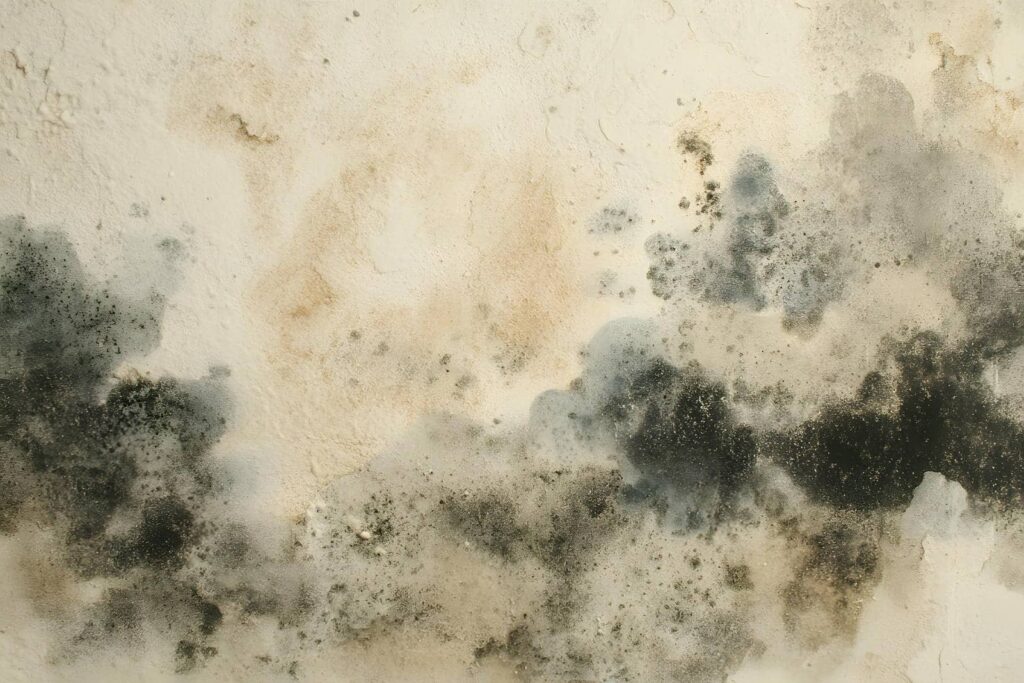
Preventing black mold in your home is essential for maintaining a healthy environment. By focusing on five key strategies, you can markedly reduce the risk of mold growth. From controlling humidity levels to ensuring proper ventilation, each step plays an important role. Additionally, regular inspections and the right materials can make a difference. Let’s explore these tips in detail and understand how they can help you create a safer living space.
Key Takeaways
- Maintain indoor humidity levels between 30% and 60% to deter mold growth.
- Regularly inspect and repair leaks to prevent moisture accumulation.
- Use mold-resistant products, such as paints and materials, in your home.
- Ensure proper ventilation in key areas like bathrooms and kitchens to promote air circulation.
- Clean and declutter regularly to minimize damp spaces where mold can thrive.
Maintain Optimal Indoor Humidity Levels
Maintaining ideal indoor humidity levels is vital for preventing black mold growth. You should aim to keep the humidity between 30% and 60%. High humidity can create a perfect environment for mold, so it’s important to implement effective humidity control.
Identify moisture sources like leaks, damp basements, or improperly vented appliances, which can elevate humidity levels. Regularly check for water damage, as even small leaks can lead to significant problems over time.
Using a dehumidifier can help regulate moisture, especially in areas prone to dampness. Additionally, monitor indoor humidity with a hygrometer to confirm you’re staying within the safe range.
Ensure Proper Ventilation in Key Areas
Humidity control isn’t just about numbers; it’s also about airflow. Ensuring proper ventilation in key areas of your home is essential for preventing black mold.
Effective ventilation techniques enhance air circulation, making your living spaces healthier and more inviting. By focusing on areas prone to dampness, you can create a comfortable environment for all.
- Keep exhaust fans running in bathrooms and kitchens.
- Open windows when the weather permits to promote a fresh air influx.
- Use dehumidifiers in basements and crawl spaces.
- Regularly check and clean vents to confirm they’re unobstructed.
Implementing these strategies reduces moisture levels and fosters a sense of community in your home.
Taking these steps shows you care about your environment and those who share it with you. Remember, a well-ventilated space is a welcoming space, free from the threat of black mold.
Regularly Inspect and Repair Leaks
While you mightn’t see them at first glance, leaks can quietly contribute to black mold growth in your home. Regular leak detection is essential to ensure your living space remains mold-free.
Start by inspecting areas prone to moisture, such as under sinks, around toilets, and near appliances. Pay close attention to plumbing maintenance; a small drip can lead to significant mold issues over time.
If you notice damp spots or water stains, act quickly. Repairing leaks prevents mold and saves you money on water bills and potential structural damage.
It’s a good idea to establish a routine check-up schedule for your plumbing systems. By proactively addressing leaks, you create an environment that fosters health and comfort for you and your family.
Use Mold-Resistant Products in Your Home
Choosing mold-resistant products for your home can greatly reduce the risk of black mold growth.
By incorporating these specialized materials, you’re not just protecting your space; you’re creating a healthier environment for you and your loved ones.
Consider these benefits of using mold-resistant paints and materials:
Enhanced durability: They withstand moisture better, extending the lifespan of your surfaces.
Improved air quality: These products help maintain cleaner air, reducing health risks.
Easy maintenance: Mold-resistant options simplify cleaning, saving you time and effort.
Increased property value: Investing in these products can enhance your home’s appeal and marketability.
Clean and Declutter to Minimize Mold Growth
Cleaning and decluttering your home is essential for minimizing the risk of black mold growth. Mold thrives in damp, cluttered spaces, where moisture can easily accumulate.
Implementing effective decluttering strategies helps you identify areas that may harbor mold, such as hidden nooks and crannies. Start by tackling one room at a time, sorting items into keep, donate, or discard categories.
Establishing consistent cleaning routines is equally important. Regularly wipe down surfaces, vacuum, and address any spills immediately to prevent moisture buildup.
Pay special attention to areas prone to dampness, like bathrooms and basements.
Frequently Asked Questions
How Can I Tell if I Have Black Mold?
To tell if you have black mold, use mold identification techniques like visual inspections and smell tests. Consider mold inspection tools such as moisture meters or air quality testers to confirm your findings accurately.
Are There Specific Areas in My Home More Prone to Mold?
Think of your home as a garden; just like plants need proper sunlight, areas like basements with high humidity and attics lacking ventilation breed mold. Regular checks in these spots can help keep your home healthy.
Can Black Mold Affect My Health?
Yes, black mold can affect your health. You might experience black mold symptoms like respiratory issues, allergies, or skin irritations. Prolonged exposure increases health risks, particularly for individuals with pre-existing conditions or weakened immune systems.
What Should I Do if I Find Black Mold?
Black mold can affect your family’s health until it is removed. Use proper removal techniques, wear safety gear, and ensure adequate ventilation to protect yourself and others from harmful exposure.
How Quickly Does Black Mold Grow in Damp Areas?
Black mold growth can occur rapidly in damp environments, often within 24 to 48 hours. You should monitor moisture levels closely, as even small amounts of water can trigger significant mold development, affecting your space’s health.
Summary
By following these five essential tips, you can create a fortress against black mold in your home. Keeping humidity in check, ensuring proper ventilation, and addressing leaks will serve as your shield, while using mold-resistant products and maintaining cleanliness will act as your armor. Just as a gardener tends to their plants to prevent weeds, nurturing your living space will help you cultivate a healthier environment. Stay proactive, and your home will flourish free from mold’s grasp.
Recent Posts
5 Tips for Mold Removal After Water Damage
When water damage occurs, addressing mold promptly is vital to safeguard your health and property.
Why Focus on Storm Damage Restoration Strategies?
When storms strike, the aftermath can be overwhelming, affecting both structures and the emotional well-being
10 Key Tips for Storm Damage Restoration
When nature has a way of rearranging your environment, it’s vital to respond with a