
Contents
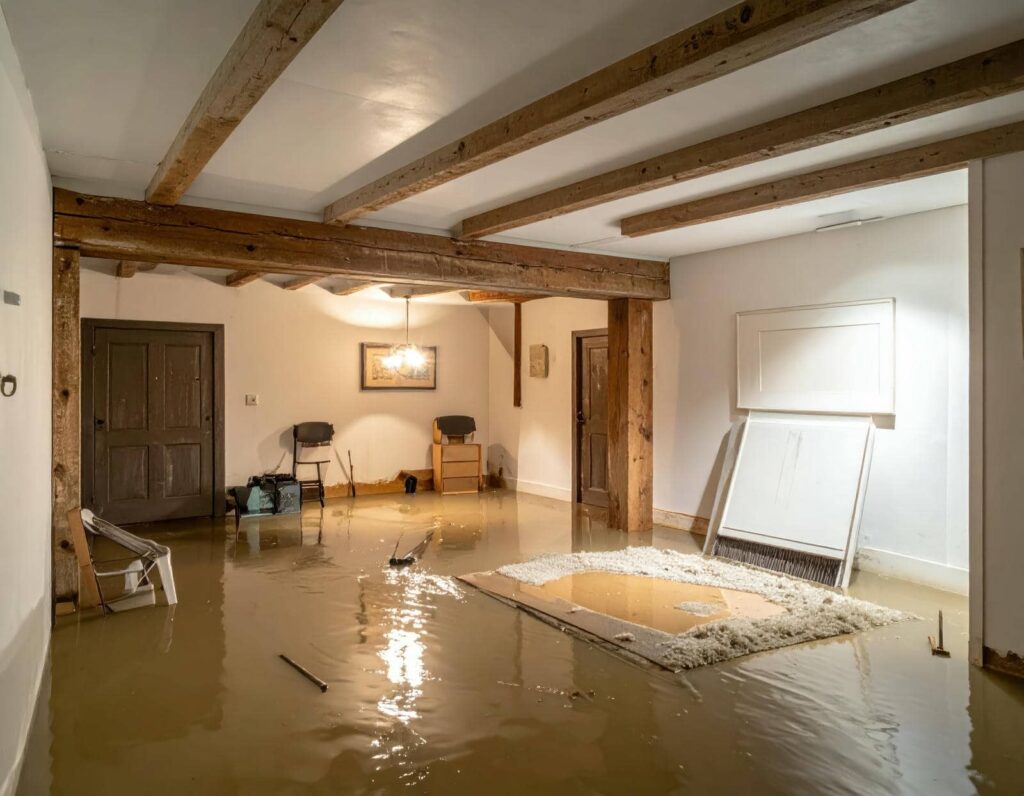
When floodwaters recede, it’s vital to approach flood cleanup systematically. Start by evaluating the damage carefully, keeping safety in mind. Wear protective gear and check electrical systems before you begin. Removing standing water is next, but it’s only the first step in an all-encompassing process. Understanding how to clean and prevent future damage can make all the difference. Let’s explore the essential practices that will help you restore your space effectively.
Key Takeaways
- Conduct a thorough damage assessment, documenting any issues with photos for insurance claims.
- Ensure safety by wearing PPE, turning off electricity, and checking for slippery surfaces.
- Remove standing water quickly using pumps or wet vacuums, and enhance air circulation.
- Clean and disinfect affected areas with appropriate solutions and allow surfaces to air dry.
- Implement preventive measures like sump pumps and water-resistant materials to mitigate future risks.
Assessing the Damage
When you begin evaluating the damage after a flood, it’s crucial to approach the situation methodically to ensure safety and thoroughness.
Start with a thorough damage assessment, focusing on both the interior and exterior of your property. Look for visible signs of structural damage, such as cracks in walls or sagging floors, which can jeopardize the structural integrity of your home.
Take care to document each issue with photos and notes; this will help in reporting to insurance or seeking assistance.
As you assess, remember to prioritize areas that are most critical to safety, like foundations and load-bearing walls.
If you notice significant damage, consider consulting a professional, as their expertise can provide reassurance and guidance.
Your home is a reflection of your life, and understanding its condition is the first step toward restoring stability and comfort.
Ensuring Safety Precautions
After evaluating the damage to your property, the next step involves implementing safety precautions to protect yourself and others.
Start by wearing personal protective equipment (PPE) like gloves, boots, and masks. This gear shields you from contaminants in floodwater and hazardous materials.
Next, check for electrical safety. Before entering any flooded area, turn off the electricity at the main breaker to prevent electric shocks. If you’re unsure, ask a professional for help.
Be cautious about slippery surfaces and debris, as they can pose additional risks. Keep a first aid kit handy in case of minor injuries.
Stay informed about local health advisories regarding flood cleanup, as they can provide essential guidance.
Removing Water and Moisture
As you begin the process of removing water and moisture, it’s essential to act quickly to minimize damage and prevent mold growth.
Effective water extraction and moisture control are vital in safeguarding your space and well-being. Here are key steps to take into account:
- Turn off electricity and gas before starting.
- Use pumps or wet vacuums for effective water extraction.
- Open windows and doors to promote air circulation.
- Employ dehumidifiers to control residual moisture.
- Remove soaked materials like carpets and padding.
Cleaning and Disinfecting Affected Areas
Once you’ve removed the water, it’s crucial to focus on cleaning and disinfecting the affected areas to ensure your space is safe and healthy.
Start by wearing protective gear, including gloves and masks, to shield yourself from contaminants. Begin with disinfecting surfaces using a solution of water and bleach, ensuring you follow the recommended dilution ratios. Pay close attention to high-touch areas like doorknobs and countertops.
Next, for sanitizing belongings, carefully assess what can be saved. Wash fabrics and clothing in hot water, and consider using a disinfectant spray on non-washable items.
Furniture may need thorough cleaning with appropriate cleaners; don’t forget to check the insides, too.
After cleaning, let surfaces air dry, as this further aids in eliminating germs.
Preventing Future Water Damage
Cleaning and disinfecting your space is an important step, but to truly protect your home and loved ones, you must also focus on preventing future water damage.
Here are some effective strategies to take into account:
- Use water-resistant materials for flooring and walls to minimize damage risk.
- Install sump pumps to keep water out during heavy rains.
- Make landscaping modifications to redirect water away from your foundation.
- Regularly inspect and maintain gutters to ensure proper drainage.
- Seal cracks and gaps in walls and foundations to prevent leaks.
Frequently Asked Questions
How Long Does It Take for a Home to Dry After Flooding?
After flooding, it usually takes several days to weeks for your home to dry completely. Using effective drying techniques and conducting a thorough moisture assessment can help speed up the process and ensure your comfort.
Should I Keep Damaged Furniture or Throw It Away?
You might feel attached to your damaged furniture, but evaluate its salvage value first. If it’s worth restoring, consider professional help. If not, letting go can open space for new memories and belongings.
Can I File an Insurance Claim for Flood Damage?
Yes, you can file an insurance claim for flood damage. Start by reviewing your insurance coverage, then conduct a thorough flood assessment. Document everything carefully, as this will support your claim and help you regain stability.
What Types of Mold Are Common After Flooding?
After flooding, your home may become a breeding ground for mold. Common types include black mold, which thrives in damp conditions, and other varieties that can exacerbate water damage. Addressing these issues promptly protects your health and home.
How Do I Find a Reliable Flood Cleanup Service?
To find a reliable flood cleanup service, research local companies specializing in flood restoration. Check reviews, ensure they use modern cleanup equipment, and ask about their experience to feel confident in your choice. You deserve the best support.
Conclusion
In the aftermath of a flood, it’s essential to follow best practices for cleanup to protect your home and health. Coincidentally, while you’re busy removing water and disinfecting surfaces, you’re not just restoring your space—you’re also safeguarding your future. Each step you take, from evaluating damage to implementing preventative measures, builds resilience against future floods. Remember, being methodical now ensures a safer, healthier environment later. You’re cleaning while reclaiming your peace of mind.
Recent Posts
What Repairs Stop Mold After Water Damage
To Stop Mold After Water Damage, you need to fix the moisture source first, then
Why Does Leak Water Damage Cause Mold?
Like a slow leak in a ship’s hull, water damage in your home keeps feeding
Ceiling Leak Water Damage Mold Repair Guide
You notice a ceiling stain the same day a drip starts, and that coincidence matters