
Contents
When it comes to sewage cleanup safety, wearing appropriate gear, understanding its functions, and ensuring compliance are essential. High-quality gloves, effective respirators, and durable coveralls are just the beginning of what you need to protect yourself from hazardous environments. Each piece of equipment serves a specific purpose, yet many overlook the importance of thorough safety measures. What other tools should you consider to enhance your protection and efficiency during these demanding tasks?
Key Takeaways
- Wear heavy-duty nitrile gloves for maximum protection against punctures and chemicals during sewage cleanup tasks.
- Use N95 or P100 respirators to filter harmful airborne pathogens effectively.
- Opt for durable, waterproof coveralls and aprons to shield skin from hazardous substances.
- Ensure eye protection with snug-fitting safety goggles and face shields to guard against splashes and impacts.
- Equip yourself with knee pads and a first aid kit for comfort and readiness during cleanup operations.
Importance of Protective Gear in Sewage Cleanup
When you engage in sewage cleanup, the importance of protective gear can’t be overstated. Wearing appropriate protective gear is essential for your safety and health. The benefits of protective gear extend beyond mere compliance; they considerably reduce your exposure to harmful pathogens and chemicals found in sewage. This awareness of sewage hazards is imperative for anyone involved in cleanup operations.
By donning gear such as gloves, masks, and waterproof suits, you shield yourself from potential infections and skin irritations. The right equipment also enhances your ability to perform tasks efficiently, allowing you to focus on the job without the constant worry of contamination.
In this line of work, knowing how to protect yourself fosters a sense of belonging within your team, as everyone shares the commitment to safety.
Ultimately, investing in high-quality protective gear is essential for your well-being and the successful completion of sewage cleanup tasks.
Types of Gloves for Sewage Cleanup
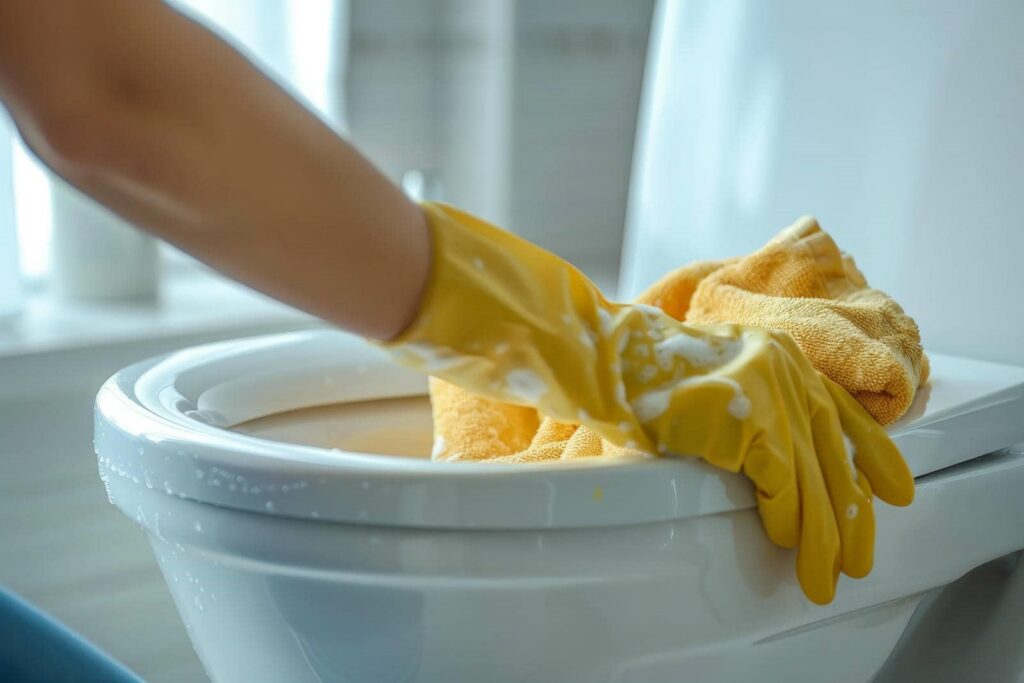
Selecting the right gloves for sewage cleanup is essential for ensuring your safety during the process. Nitrile gloves are a popular choice because they offer excellent resistance to punctures and chemicals, making them ideal for handling hazardous materials. They also provide a snug fit and good tactile sensitivity, allowing you to work efficiently.
If you’re allergic to latex, there are several latex alternatives available, including vinyl gloves. However, while vinyl may be a cost-effective option, it doesn’t offer the same level of protection as nitrile.
When choosing gloves, consider the specific tasks you’ll perform. For heavy-duty cleanup, opt for thicker nitrile gloves that can withstand tougher conditions. Always ensure your gloves are properly fitted to prevent any exposure.
Respirators and Masks for Hazardous Environments
To ensure your safety during sewage cleanup, using the right respirators and masks is essential. When it comes to respirator selection, you need to take into account the specific contaminants present in sewage, such as bacteria, viruses, and toxic gases.
N95 respirators can filter out particulates effectively, but for more hazardous environments, you might require a half-mask or full-face respirator with P100 filters to provide maximum protection.
Mask effectiveness hinges on achieving a proper seal and fit. Make sure to perform a fit test before starting your cleanup. This ensures that the mask won’t leak, providing the protection you need.
Additionally, maintain your respirator properly; clean it regularly and replace filters as recommended. By prioritizing the right respirators and masks, you’ll greatly reduce your risk of exposure to harmful agents, fostering a safer environment for yourself and your team during sewage cleanup.
Protective Clothing: Coveralls and Aprons
While engaging in sewage cleanup, wearing the right protective clothing is essential for safeguarding your health. Coveralls made from durable, waterproof materials like PVC or polyethylene are vital for preventing contamination.
These coverall materials not only shield your skin from harmful pathogens but also provide a barrier against hazardous chemicals often present in sewage.
When selecting coveralls, make sure they fit properly to allow for ease of movement. Additionally, consider aprons with specific features such as long lengths and adjustable straps to enhance coverage and comfort.
Look for aprons made from similar waterproof materials to match your coveralls, ensuring thorough protection.
Eye Protection: Safety Goggles and Face Shields
When engaging in sewage cleanup, protecting your eyes is crucial due to the risk of exposure to harmful substances and pathogens.
Using safety goggles and face shields is essential for ensuring eye safety during these challenging tasks. Safety goggles should fit snugly around your eyes and provide a seal to prevent any splashes or debris from entering.
Look for goggles made of durable lens materials, such as polycarbonate, which offer excellent impact resistance and UV protection. Face shields can provide additional coverage, extending protection to your entire face. They’re particularly useful when working in areas where splashes are more likely.
Always verify that both goggles and face shields are free of scratches and defects, as these can compromise visibility and protection.
Foot Protection: Waterproof Boots and Shoe Covers
When handling sewage cleanup, waterproof boots are essential for protecting your feet from hazardous materials and contaminants.
Selecting effective shoe covers can provide an additional layer of safety, ensuring that you maintain hygiene while working in affected areas.
Proper foot protection helps you stay safe and enhances your overall effectiveness during cleanup operations.
Importance of Waterproof Boots
Choosing the right footwear is crucial for anyone involved in sewage cleanup, as waterproof boots provide essential protection against hazardous materials and contaminants.
These boots offer critical waterproof boot features, such as durable materials and sealed seams, ensuring your feet remain dry and safeguarded. When selecting boots, look for slip-resistant soles to prevent accidents on slick surfaces.
To maximize their effectiveness, follow boot maintenance tips like regularly cleaning them with disinfectants and inspecting for wear and tear. By maintaining your waterproof boots, you secure long-lasting protection during cleanups.
Investing in high-quality footwear enhances your safety and fosters a sense of belonging in a community that prioritizes health and well-being during sewage cleanup operations.
Effective Shoe Cover Options
Shoe covers are an essential addition to your protective gear during sewage cleanup, providing an extra layer of defense against contaminants.
When choosing effective shoe cover options, consider the following materials and types:
Disposable Shoe Covers: Made from lightweight plastic or polyethylene, these are perfect for one-time use, ensuring you don’t track contaminants outside the work area.
Reusable Shoe Covers: Crafted from durable materials like rubber or heavy-duty fabric, these can withstand multiple uses and are easy to clean.
Non-Slip Options: Look for shoe covers with textured soles for better traction, reducing the risk of slipping in wet conditions.
Selecting the right shoe cover materials enhances your safety and confidence, allowing you to focus on the task at hand without worry.
Head Protection: Hard Hats and Hoods
When working in sewage cleanup, head protection is essential to safeguard against potential hazards.
You’ll need to choose the right type of hard hat to shield yourself from falling objects and other dangers.
Additionally, wearing hoods can provide extra coverage against contaminants, enhancing your overall safety during the cleanup process.
Types of Hard Hats
Hard hats are essential for ensuring safety during sewage cleanup operations, as they protect workers from potential head injuries caused by falling debris or unexpected hazards.
When choosing hard hat types, it’s vital to understand the specific features that offer head protection tailored to your needs. Here are three common types:
Type I Hard Hats: These provide top impact protection and are ideal for overhead hazards.
Type II Hard Hats: These offer protection from both top and side impacts, suitable for environments with lateral risks.
Electrician’s Hard Hats: Designed for electrical work, these hard hats are non-conductive and help prevent electrical hazards.
Selecting the right hard hat type enhances your safety and effectiveness during sewage cleanup tasks.
Benefits of Hoods
While hard hats are critical for head protection during sewage cleanup, hoods offer additional benefits that enhance safety. Hoods, made from durable hood materials like polyethylene and PVC, provide a barrier against contaminants and hazardous substances. These materials resist water and chemicals, ensuring your head and neck stay protected.
Key hood features, such as adjustable straps and integrated face shields, allow for a secure fit and added protection. The breathable design helps regulate temperature, preventing overheating during strenuous tasks.
Hearing Protection: Earplugs and Earmuffs
Although noise levels during sewage cleanup can vary, protecting your hearing remains crucial. Loud environments can expose you to harmful decibel levels, leading to hearing loss if proper precautions aren’t taken.
Using hearing protection helps maintain your auditory health while you work.
Here are three effective options you should consider:
Earplugs: These are easy to carry and can block out significant noise when inserted correctly. Look for disposable or reusable options based on your needs.
Earmuffs: Offering a snug fit over your ears, earmuffs provide excellent noise reduction and are often more comfortable for extended wear.
Custom-Molded Earplugs: For frequent exposure, custom options can provide the best fit and protection, tailored to your ear shape.
Choose the right hearing protection to ensure your well-being during sewage cleanup operations, creating a safer work environment for you and your team.
Additional Safety Equipment and Tools
When tackling sewage cleanup, having the right additional safety equipment and tools is essential for ensuring your protection and efficiency.
Start by using a reliable respirator fitted with HEPA filters to shield against airborne pathogens. A sturdy set of knee pads can help you comfortably navigate on the ground while protecting your knees. Don’t forget heavy-duty gloves designed for chemical resistance; they’re critical for maintaining hygiene practices.
Investing in a high-powered wet/dry vacuum can expedite the removal of contaminated water and debris, aligning with your safety protocols. Additionally, portable lighting helps illuminate dark areas, ensuring you can see potential hazards.
A first aid kit stocked with antiseptics and bandages is important for addressing any minor injuries promptly. By equipping yourself with these tools, you’ll create a safer work environment and enhance your overall effectiveness during the cleanup process.
Recap
In sewage cleanup, wearing the right protective gear can reduce your risk of exposure to harmful pathogens. Prioritizing safety through high-quality gloves, respirators, and protective clothing safeguards your health and enhances your efficiency on the job. Don’t underestimate the importance of eye, head, and foot protection, as they’re essential for a safe working environment. Equip yourself properly, and you’ll be better prepared to tackle the challenges of sewage cleanup effectively.
Recent Posts
What Is Emergency Flood Cleanup?
Just when you need a flashlight, the basement starts filling with water, and that’s when
5 Tips for Emergency Flood Cleanup and Mold Remediation
Emergency Flood Cleanup is essential because after a flood, mold can start growing sooner than
5 Emergency Flood Cleanup and Mold Remediation Tips
When floodwater hits, you need to move fast, but you also need to move in