
Contents
When floodwater hits, you need to move fast, but you also need to move in the right order. You’ll shut off utilities, protect the site, and record damage before anything gets disturbed. Then you’ll remove water, dry materials, and watch closely for mold before repairs begin. Each mold remediation step reduces loss and limits contamination, and the details that follow can make the difference between a safe recovery and a costly setback.
Key Takeaways
- Shut off the water source and electricity immediately, then wear boots, gloves, and eye protection before entering the flooded area.
- Document all damage with photos, notes, and receipts to support your insurance claim.
- Remove standing water quickly using a pump, wet vacuum, or sump system, and discard unsalvageable wet materials.
- Dry the space fast with dehumidifiers and fans, keeping humidity below 60% to prevent mold growth.
- Inspect for mold, cut out contaminated porous materials, disinfect hard surfaces, and replace damaged items after everything is fully dry.
Stop the Water and Secure the Area
First, shut off the main water supply if it’s safe to do so, then disconnect nearby appliances to prevent additional flooding.
Next, identify the water source and stop it at the valve, pipe, or fixture if you can reach it without exposure to electrical hazards.
Then secure the area by turning off power to affected rooms from the breaker, keeping cords, outlets, and wet surfaces apart.
Put on boots, gloves, and eye protection as part of your safety precautions.
Mark unstable floors, damaged ceilings, and slippery spots so your household can move through the space carefully.
Open windows only if conditions are dry enough.
Stay calm; you’re taking the right first steps to protect your home and everyone in it.
Document Flood Damage for Insurance Claims
With the water stopped and the area secured, start documenting every sign of flood damage for your insurance claim.
Take wide-angle photos of each affected room, then capture close-ups of damaged walls, floors, cabinets, and personal items.
Record dates, times, and brief notes about what you see, including odors, staining, and visible structural issues.
Keep receipts, emergency expenses, and a running inventory of lost belongings to strengthen your insurance documentation.
Back up files in the cloud and on a separate device so nothing gets lost.
If you can, contact your insurer early and ask what evidence they need to speed the claim process.
You’re not handling this alone; careful records help you protect your property, stay organized, and move forward with confidence.
Remove Standing Water and Wet Materials
Pump out standing water as soon as it’s safe, starting with the lowest areas and working toward better drainage. You’ll protect your home and your crew by using reliable water extraction techniques and removing saturated items fast. Follow these steps:
Shut off electricity before you enter flooded zones.
Extract water with a pump, wet vacuum, or sump system.
Sort damaged materials for wet material disposal; discard drywall, insulation, carpet, and swollen wood that can’t be salvaged.
Carry debris out in sealed bags to limit contamination. Keep intact belongings separate so you can recover them later.
If you work methodically, you’ll reduce hidden damage and stay connected to others helping you through the cleanup.
Dry Out the Space Before Mold Starts
Once the standing water is gone, you need to dry the area quickly to stop mold from taking hold. Start dehumidifier usage right away and keep it running until indoor humidity drops below 60%.
Open windows only if outdoor air is dry, and place fans to support airflow improvement across floors, walls, and hidden corners. Lift rugs, prop doors open, and separate damp items so air can move through them.
Check baseboards, insulation edges, and closet interiors with a moisture meter, since trapped moisture can linger where you can’t see it. You’re not doing this alone; steady drying gives your home the best chance to recover safely.
Keep monitoring conditions every few hours, and continue until all surfaces feel dry and stable.
Begin Mold Remediation and Repairs
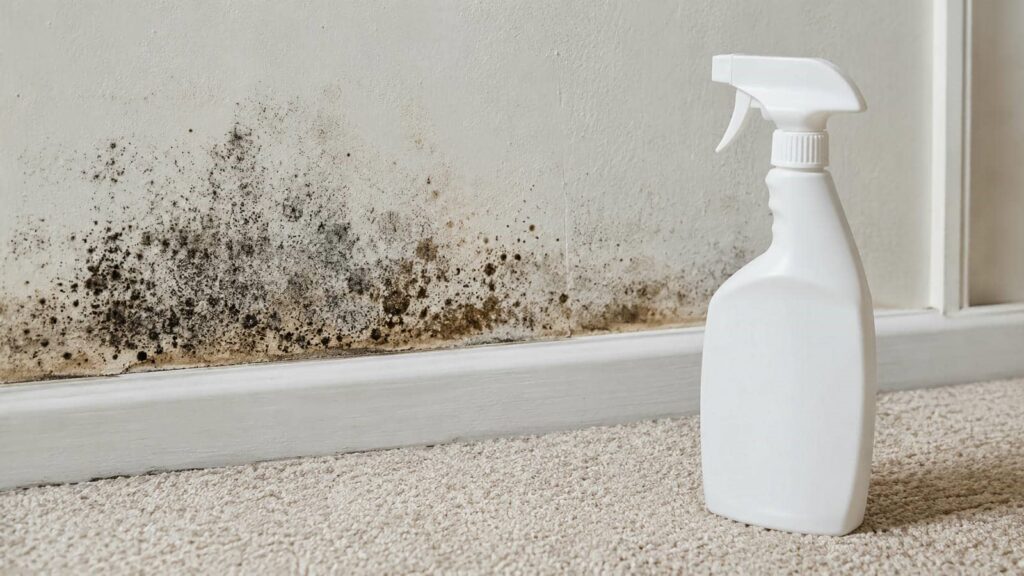
After the space is dry, inspect all affected materials for mold growth and water damage before rebuilding. You’ll protect your home and your people by removing porous items that stayed wet too long and cleaning salvageable surfaces with effective cleanup techniques.
Wear gloves, an N95 respirator, and eye protection while you work. Use mold prevention strategies by keeping humidity below 60%, sealing leaks, and improving ventilation in bathrooms, basements, and crawlspaces.
- Cut out drywall, insulation, or carpet that shows staining, swelling, or musty odor.
- Disinfect nonporous framing and hard surfaces, then dry them fully.
- Replace damaged materials only after you confirm no active mold remains.
Take your time, document progress, and you’ll rebuild a safer space your household can trust.
Frequently Asked Questions
Can I Safely Stay in the Home During Cleanup?
You can stay only if flood safety and a home assessment confirm no electrical, structural, or contamination hazards. You’ll need good ventilation, dry areas, and protected access; otherwise, leave until cleanup’s done.
Should I Turn off Electricity Before Entering Flooded Rooms?
Yes—switch off power at the breaker before you enter flooded rooms; electricity and water are a lightning-fast trap. You’ll protect yourself from electrical hazards, support flood safety, and stay connected to a safer recovery team.
What Personal Protective Gear Is Needed for Cleanup?
You’ll need protective gloves, safety goggles, respirator masks, waterproof boots, and protective clothing before cleanup. Keep first aid nearby, too. This gear helps you stay safe, reduce exposure, and work confidently with your team.
How Soon Should Professionals Inspect Hidden Moisture?
You should have professionals inspect hidden moisture within 24 to 48 hours. That inspection timeline lets moisture detection catch trapped water early, so you can protect your space, reduce risks, and feel confident.
Will My Flood Insurance Cover Mold Damage?
Usually, yes, but only if your flood insurance policies include mold coverage. You’ll need prompt action and mold prevention strategies to prove mitigation. Review exclusions closely; your adjuster can confirm what’s covered and guide you.
Wrap-Up
When a flood hits, you need to act fast: stop the water, secure the area, and document every detail for your insurer. Then remove standing water and saturated materials before they spread damage. Dry the space thoroughly, using dehumidifiers and fans until humidity drops. Finally, inspect for mold and start repairs only when the area is safe. Move methodically, like a clinician treating a wound, and you’ll reduce losses and restore the space with confidence.
Recent Posts
What Repairs Stop Mold After Water Damage
To Stop Mold After Water Damage, you need to fix the moisture source first, then
Why Does Leak Water Damage Cause Mold?
Like a slow leak in a ship’s hull, water damage in your home keeps feeding
Ceiling Leak Water Damage Mold Repair Guide
You notice a ceiling stain the same day a drip starts, and that coincidence matters