
Contents
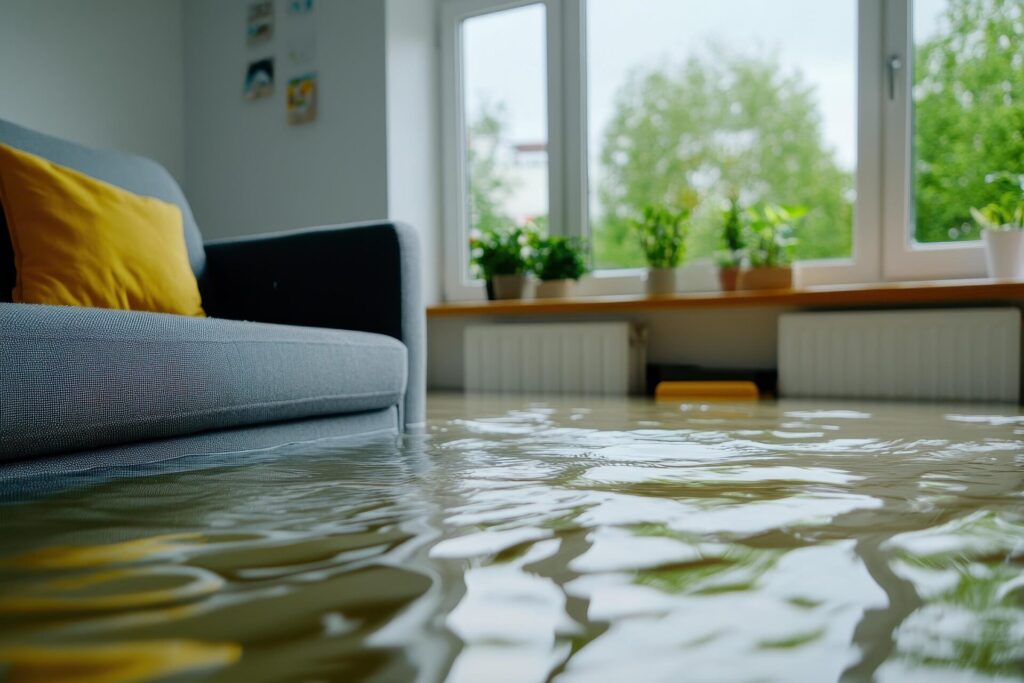
When faced with flood damage, addressing mold growth promptly is vital for your safety and health. You need to assess the extent of the problem and employ effective techniques to tackle it. From utilizing HEPA filters to applying antimicrobial solutions, each method plays a critical role in mold removal. Understanding these techniques can greatly influence the outcome of your recovery efforts. Let’s explore the best strategies to ensure a mold-free environment.
Key Takeaways
- Start by identifying the extent of mold growth through visual inspection and moisture level assessment after flooding.
- Use a mixture of water and detergent for initial cleaning of surfaces, followed by specialized mold removal products.
- Apply bleach for effective mold removal on non-porous surfaces, but consider hydrogen peroxide for safer applications.
- Ensure proper ventilation and air circulation to aid in drying affected areas and reducing humidity post-flood.
- Regularly inspect and monitor previously affected areas to prevent future mold growth after remediation efforts.
Assessing the Extent of Mold Growth
How can you accurately gauge the severity of mold growth after a flood?
Start with mold identification techniques, which involve recognizing different types of mold based on color, texture, and location. Use visual inspection methods to assess affected areas.
Look for discoloration on walls, ceilings, and floors, as well as a musty odor, which often indicates hidden growth.
Next, check for moisture sources, as mold thrives in damp environments. You can use moisture meters to quantify moisture levels in materials.
If you suspect extensive growth, consider sampling the air or surfaces for lab analysis. This can provide a clearer picture of mold types and concentrations.
Using HEPA Filters for Air Quality Improvement
When it comes to improving indoor air quality after a flood, utilizing HEPA filters can make a significant difference.
HEPA filters are designed to capture 99.97% of airborne particles as small as 0.3 microns, including mold spores, dust, and allergens.
Their effectiveness lies in their ability to trap these harmful particles, reducing the likelihood of respiratory issues and other health problems associated with poor air quality.
Applying Antimicrobial Solutions
When addressing mold after a flood, applying antimicrobial solutions is essential for effective remediation.
You’ll encounter various types of solutions, each designed to target mold spores and prevent regrowth.
Understanding the application methods can enhance the effectiveness of these treatments and ensure your environment remains mold-free.
Types of Antimicrobial Solutions
Several effective antimicrobial solutions are available to combat mold growth after flood damage, each with unique properties and applications. Understanding the various antimicrobial solution types can help you make an informed decision based on effectiveness comparison.
| Antimicrobial Solution | Active Ingredient | Effectiveness Rating |
|---|---|---|
| Bleach | Sodium Hypochlorite | High |
| Hydrogen Peroxide | Hydrogen Peroxide | Medium |
| Vinegar | Acetic Acid | Low |
| Borax | Sodium Borate | Medium |
Bleach is highly effective but can be harsh on surfaces. Hydrogen peroxide offers a balance between efficacy and safety, while vinegar and borax provide milder options. Always select an antimicrobial solution based on the specific needs of your restoration project.
Application Methods Explained
Applying antimicrobial solutions effectively is essential for successful mold remediation after flood damage. You should first identify affected areas and ensure they’re dry to maximize the solution’s efficacy.
Use a spray application method for even coverage, targeting mold spores directly. Make sure to saturate the material without excessive runoff, as this could dilute the effectiveness.
For porous surfaces, consider using a sponge or cloth to apply the antimicrobial solution thoroughly. Allow the solution to dwell according to the manufacturer’s instructions, which enhances its mold removal techniques.
After application, monitor the area for any residual mold growth, ensuring that your efforts lead to a long-lasting solution. Regular inspections can help prevent future mold infestations and protect your property.
Implementing Proper Ventilation Techniques
Although mold thrives in damp environments, implementing proper ventilation techniques can greatly mitigate its growth after flood damage. Effective air circulation is essential in reducing moisture levels that contribute to mold proliferation.
Start by evaluating your existing ventilation systems; verify they’re functioning correctly and free from blockages. Open windows and doors to create cross-ventilation, promoting fresh air flow throughout the affected areas.
Utilize exhaust fans in bathrooms and kitchens to eliminate humid air quickly. If natural airflow is insufficient, consider portable fans to enhance circulation, directing air towards damp spots.
Installing vents in crawl spaces or attics can also facilitate moisture escape.
Regularly monitoring humidity levels with a hygrometer helps you maintain an ideal environment, ideally between 30% and 60%.
Utilizing Dehumidifiers to Control Moisture
To effectively control moisture after flooding, you need to choose the right type of dehumidifier for your space.
Each type offers different capacities and features, which can greatly impact the drying process.
Additionally, placing dehumidifiers strategically ensures ideal air circulation and moisture removal, maximizing their effectiveness.
Types of Dehumidifiers
When faced with flood damage, utilizing the right type of dehumidifier can greatly impact your ability to control moisture levels effectively.
Portable dehumidifiers are ideal for smaller spaces, offering flexibility and ease of use. They can efficiently remove moisture from localized areas, making them perfect for residential settings.
On the other hand, industrial dehumidifiers are designed for larger environments and can handle significant moisture loads. They work faster and are more powerful, making them suitable for extensive flood damage scenarios.
Both types have their advantages, but your choice depends on the scale of the water damage and the area needing treatment. Understanding these differences ensures you select the most effective dehumidifier for your specific needs.
Proper Placement Strategies
Choosing the right dehumidifier is just the first step; proper placement is key to maximizing its effectiveness.
To implement effective mold placement strategies, consider the following:
Central Location: Position the dehumidifier in a central area to ensure even moisture control throughout the space.
Elevated Surface: Place it on an elevated surface to enhance airflow and prevent water accumulation under the unit.
Away from Walls: Keep it at least 12 inches away from walls to avoid blocking airflow and to allow for ideal moisture extraction.
Near Moisture Sources: Situate it close to areas prone to dampness, such as basement corners or flooded sections, to enhance effective containment methods.
Removing and Replacing Contaminated Materials
Removing and replacing contaminated materials is essential in effectively addressing mold growth after flood damage. Start by identifying affected areas, focusing on contaminated drywall and insulation.
If drywall has been soaked, it’s likely harboring mold spores, necessitating its removal. Cut out the drywall at least 12 inches above the waterline to ensure you’re eliminating all contaminated sections.
Insulation removal is equally critical. Wet insulation can retain moisture and provide an ideal environment for mold proliferation. Fiberglass batts or cellulose insulation should be discarded if they’ve been compromised.
After removing these materials, thoroughly clean the surrounding area to eliminate any residual mold spores.
Before installing new materials, verify the space is completely dry and free from moisture to prevent future mold growth. This proactive approach mitigates existing mold issues and supports a healthier environment post-flood.
Preventive Measures to Avoid Future Mold Issues
To prevent future mold issues after flood damage, it’s essential to implement proactive measures that address moisture control and environmental conditions.
Here’s how you can effectively reduce the risk of mold growth:
Use Mold-Resistant Materials: When rebuilding or repairing, opt for mold-resistant drywall and insulation to inhibit mold growth.
Control Humidity Levels: Maintain indoor humidity between 30% and 60% using dehumidifiers, especially in damp areas.
Ensure Proper Ventilation: Install exhaust fans in kitchens and bathrooms to improve airflow and reduce moisture accumulation.
Conduct Regular Inspections: Regularly inspect your home for signs of water leaks or dampness, addressing any issues immediately to prevent mold establishment.
Wrap-Up
Addressing mold after flood damage isn’t just about restoration; it’s about reclaiming your home as a safe haven. By evaluating mold growth, utilizing HEPA filters, and applying antimicrobial solutions, you can effectively combat this hidden threat. Remember, just like a medieval knight guarding a castle, you must be vigilant against future invasions. Implementing proper ventilation and dehumidification, along with proactive measures, will help ensure your home remains a fortress against mold for years to come.
Recent Posts
7 Best Protective Gear for Cleanup Workers
When you’re tackling hazardous cleanup workers tasks, having the right protective gear is essential for
Essential Protective Gear for Sewage Cleanup Safety
When it comes to sewage cleanup safety, wearing appropriate gear, understanding its functions, and ensuring
Why Is Protective Gear Crucial for Cleanup Workers?
When you think about sewage cleanup, the hazards aren’t always visible. Contaminants and pathogens pose