
Contents
After a fire, you might overlook the risks posed by mold growth in your property. The moisture from firefighting efforts can create the perfect breeding ground for mold. It’s essential to understand how fire damage and mold are interconnected. Identifying the signs of mold infestation is vital for your safety. Let’s explore the steps needed for effective mold removal and the importance of professional mold cleanup services in this process.
Key Takeaways
- Assess the extent of fire and mold damage, identifying visible mold and underlying moisture issues for effective cleanup.
- Use professional-grade HEPA vacuums and mold-killing solutions to thoroughly clean contaminated surfaces and remove mold spores.
- Seal off affected areas to prevent mold spores from spreading during the cleanup process.
- Dispose of porous materials impacted by mold, ensuring that all moisture is eliminated to prevent recurrence.
- Implement mold prevention strategies, such as maintaining low humidity and ensuring proper ventilation, to protect against future infestations.
Understanding the Connection Between Fire Damage and Mold Growth
When a fire ravages a property, the damage often extends beyond the visible destruction of flames and smoke; it creates an environment ripe for mold growth.
After a fire, moisture control becomes vital because the remnants of water used to extinguish the flames can linger in materials like wood and drywall. This excess moisture, coupled with the organic materials in your home, forms an ideal breeding ground for mold spores.
To prevent mold infestation, you need to act quickly. Start by thoroughly drying out the affected areas, using dehumidifiers and fans.
Inspect hidden spaces—like behind walls and under flooring—where moisture might accumulate. It’s essential to remove damaged materials that can’t be adequately dried, as these will only perpetuate the problem.
Signs of Mold Infestation After Fire Damage
After addressing moisture control, it’s important to recognize the signs of mold infestation that may arise following fire damage.
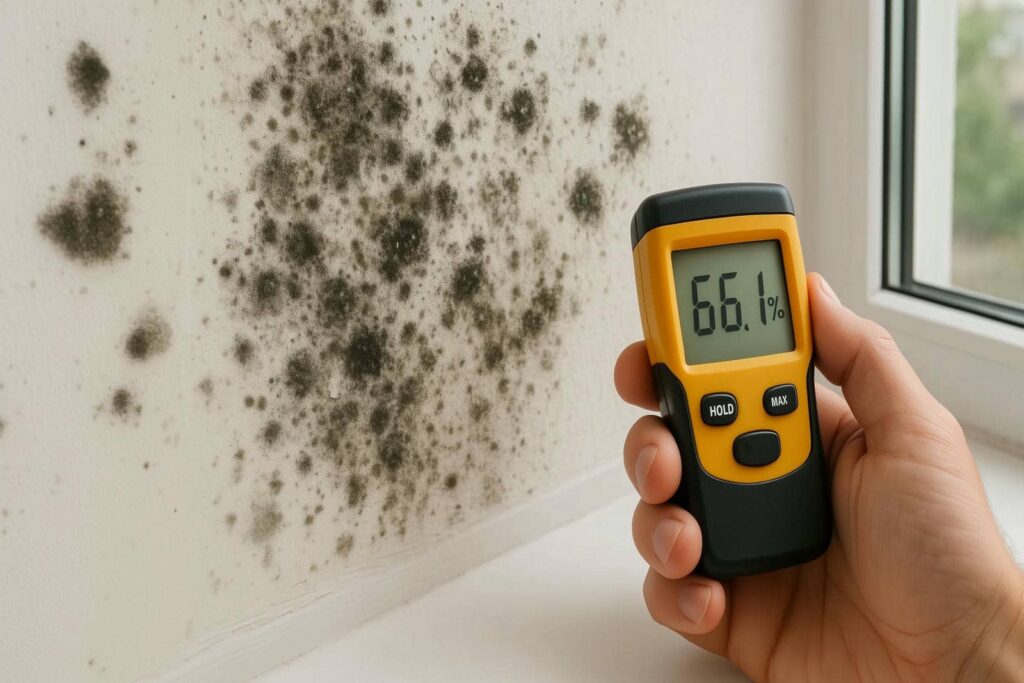
In the fire aftermath, you should look for several key mold indicators. First, check for visible mold growth, which can appear as black, green, or white patches on walls, ceilings, or other surfaces.
Next, pay attention to musty odors; these can signal hidden mold colonies thriving in damp areas.
Additionally, monitor for any unusual health symptoms among occupants, such as respiratory issues, allergies, or skin irritations, as these can be linked to mold exposure.
Water stains or discoloration on walls and ceilings are also strong mold indicators, pointing to potential moisture problems.
Finally, don’t overlook potential condensation or excessive humidity, which can create a conducive environment for mold growth.
Being vigilant about these signs is essential for maintaining a safe and healthy living space post-fire.
Steps for Effective Mold Removal
To effectively remove mold following fire damage, you must first ensure the affected area is safe and secure.
Begin with a thorough mold assessment to identify the extent of the infestation. This involves inspecting all surfaces, including hidden spaces, to make sure no mold is overlooked.
Next, gather the necessary remediation equipment, such as HEPA vacuums, air scrubbers, and protective gear.
Seal off the contaminated area to prevent spores from spreading during the cleanup process.
After securing the area, remove and dispose of any porous materials affected by mold, like drywall or carpets.
Clean hard surfaces with a mold-killing solution, ensuring you follow manufacturer guidelines for effectiveness.
Finally, dry the area completely to prevent future mold growth.
Regularly monitor the space after cleanup to make certain that mold doesn’t return and that the area remains safe for occupancy.
Mold Prevention Strategies Post-Fire
Mold prevention strategies are crucial once the cleanup process is complete. To safeguard your property, focus on moisture control, as excess humidity encourages various mold types.
Start by thoroughly inspecting for hidden leaks in plumbing and roofs, and promptly repair any issues. Use dehumidifiers to maintain indoor humidity levels below 60%.
Additionally, make sure proper ventilation in areas prone to dampness, such as bathrooms and kitchens. Regularly clean and dry any wet materials, including carpets and upholstery, to prevent mold growth.
Consider applying mold-resistant paints and sealants, especially in high-risk areas. It’s also important to monitor indoor temperatures; cooler environments can deter mold proliferation.
Lastly, regularly check your property for signs of mold growth, addressing any concerns immediately. By implementing these strategies, you can greatly reduce the risk of mold problems following fire damage.
Importance of Professional Mold Cleanup Services
When dealing with mold after fire damage, you must recognize the health risks it poses to you and your family.
Professional mold cleanup services assess these risks and employ effective remediation techniques, implementing preventive measures to ensure your home remains safe.
Relying on experts ensures a thorough and methodical approach to restoring your living environment.
Health Risks Assessment
Even though fire damage might seem like the primary concern, the hidden threat of mold growth mustn’t be overlooked.
Mold exposure can lead to various health symptoms that you mightn’t initially associate with the aftermath of a fire. Understanding these risks is vital for your safety and well-being.
Consider these potential health impacts:
-
Respiratory issues: Coughing, sneezing, or difficulty breathing can emerge from mold spores in the air.
-
Allergic reactions: You may experience skin irritations, rashes, or watery eyes.
-
Long-term effects: Prolonged exposure can lead to chronic health conditions, especially for those with weakened immune systems.
Professional mold cleanup services are essential to assess and mitigate these risks effectively, ensuring a safe environment post-fire.
Effective Remediation Techniques
To ensure a thorough and effective remediation process, it’s essential to engage professional mold cleanup services immediately after fire damage occurs.
Experts have the training and equipment necessary to tackle the intricacies of mold remediation, especially when it comes to controlling moisture, which is crucial in preventing mold spores from proliferating.
They’ll conduct a detailed assessment of the affected areas, using specialized tools to identify hidden moisture and mold growth.
After containment, they’ll employ advanced techniques, such as HEPA vacuuming and antimicrobial treatments, to ensure all mold spores are eradicated.
This methodical approach restores your property and safeguards your health, making it significant to rely on professionals for effective mold cleanup after fire damage.
Preventive Measures Implementation
Although you may think you can manage mold cleanup on your own, relying on professional services is essential for implementing effective preventive measures.
Experts possess the knowledge and tools necessary for thorough moisture control, greatly reducing future mold risks. By investing in professional mold cleanup, you ensure proper preventive maintenance that protects your property.
Consider the following benefits:
-
Thorough Inspection: Professionals identify hidden moisture sources that you might overlook.
-
Advanced Techniques: They utilize specialized equipment and methods for effective mold removal and prevention.
-
Ongoing Support: Experts provide guidance on maintaining a mold-free environment, ensuring long-term protection.
Choosing professional services aids immediate cleanup and fortifies your home against potential future mold issues.
Long-Term Solutions for Fire and Mold Damage Recovery
To ensure a successful recovery from fire and mold damage, you’ll need to implement effective prevention strategies and thorough restoration techniques.
By addressing underlying issues and enhancing your property’s resilience, you can minimize future risks.
Let’s explore these long-term solutions to safeguard your home.
Effective Prevention Strategies
As you navigate the recovery process following fire damage, implementing effective prevention strategies can greatly reduce the risk of mold growth.
Focusing on preventive maintenance and moisture control is crucial for long-term recovery.
Consider these strategies:
-
Regular Inspections: Routinely check for leaks or signs of moisture buildup in your home.
-
Ventilation: Ensure proper airflow in areas prone to dampness, such as basements and attics, to minimize humidity.
-
Dehumidifiers: Utilize dehumidifiers in high-humidity areas to maintain ideal moisture levels.
Comprehensive Restoration Techniques
When dealing with fire and mold damage, understanding extensive restoration techniques is essential for ensuring a safe and healthy environment.
Start by evaluating the extent of the damage, identifying both visible mold and underlying moisture issues. Utilize high-quality restoration materials, such as anti-microbial treatments and moisture barriers, to effectively combat mold growth.
Invest in professional-grade cleaning equipment, including HEPA vacuums and foggers, to ensure complete removal of mold spores and contaminants. After cleaning, apply sealants to protect affected areas from future moisture intrusion.
Regularly monitor humidity levels and conduct inspections to catch any potential issues early. By employing these thorough restoration techniques, you’ll create a resilient environment that safeguards against both fire and mold damage long-term.
Recap
Addressing mold cleanup after fire damage is as essential as extinguishing the flames themselves. By promptly identifying and removing mold, you protect your health and preserve your property. Relying on professional services ensures thorough remediation, using advanced techniques that effectively eliminate mold spores. Remember, prevention is key; controlling humidity and enhancing ventilation can save you from future headaches. Prioritize these steps to create a safe, healthy environment for you and your loved ones.
Recent Posts
5 Tips for Emergency Flood Cleanup and Mold Remediation
Emergency Flood Cleanup is essential because after a flood, mold can start growing sooner than
5 Emergency Flood Cleanup and Mold Remediation Tips
When floodwater hits, you need to move fast, but you also need to move in
7 Best Solutions for Fire Damage Cleanup and Repair
A home after a fire is like a book with torn pages, each scar telling