
Contents
After flooding, mold can quickly become a serious issue in your home. It’s essential to assess the extent of the mold growth and ensure your safety with proper gear. Containing the affected area is critical to prevent spores from spreading. But what steps should you take next? Understanding the right strategies for mold removal can make all the difference in protecting your health and property. Let’s explore these fundamental approaches.
Key Takeaways
- Conduct a thorough assessment using visual inspections and moisture meters to identify mold growth and moisture levels in affected areas.
- Wear protective gear, including N95 respirators and gloves, to ensure personal safety during mold removal activities.
- Contain the affected area by sealing entry points and using plastic barriers to prevent mold spores from spreading.
- Remove contaminated materials promptly, disposing of them in airtight bags while following local regulations for hazardous waste.
- Implement moisture management strategies, including using dehumidifiers and antifungal cleaning agents, to prevent future mold growth.
Assessing the Extent of Mold Growth
When you’re dealing with mold after flooding, it’s essential to assess the extent of growth promptly.
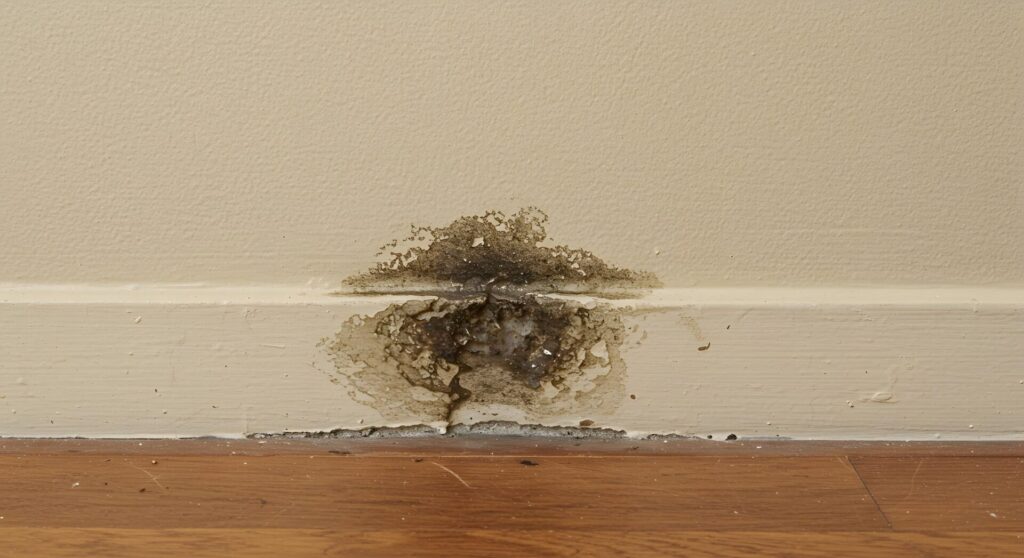
Begin by employing mold identification techniques, such as visual inspections and odor detection. Look for discoloration on surfaces and musty smells that signal potential mold presence.
Next, utilize moisture detection methods, including moisture meters, to measure the humidity levels in affected areas. This helps pinpoint hidden moisture sources that promote mold growth.
Inspect areas behind walls, under carpets, and in crawl spaces, as these spots often harbor unseen mold. Document your findings to gauge the severity of the situation and determine necessary remediation steps.
If you identify extensive mold or high moisture levels, consider consulting professionals who specialize in mold removal.
Ensuring Personal Safety and Proper Gear
When tackling mold removal, you must prioritize your safety by wearing essential protective equipment, such as gloves, masks, and goggles.
Understanding the health risks associated with mold exposure will guide you in taking necessary precautions.
Additionally, adopting safe working practices can greatly reduce the chances of contamination and injury during the removal process.
Essential Protective Equipment
Proper protective equipment is essential for anyone tackling mold removal after flooding.
Using the right gear enhances your safety and aids in effective mold prevention techniques.
Here are some protective gear options you should consider:
- N95 Respirator: It filters out airborne particles, protecting your lungs from mold spores.
- Gloves: Opt for rubber or nitrile gloves to safeguard your hands from mold exposure and cleaning agents.
- Goggles: Wear goggles to shield your eyes from mold spores and irritants during the cleanup process.
Health Risks Awareness
How aware are you of the health risks associated with mold exposure after flooding?
Exposure to mold can lead to a variety of health symptoms, especially for those with respiratory issues, allergies, or weakened immune systems. You might experience coughing, sneezing, eye irritation, or skin rashes.
In some cases, prolonged exposure can even result in more severe conditions, such as chronic respiratory diseases. It’s essential to recognize these risks before starting any mold removal efforts.
Ensuring your safety involves understanding the potential dangers and being equipped with appropriate protective gear. Always prioritize your health by limiting exposure and wearing masks, gloves, and goggles when dealing with moldy materials.
Awareness of these health risks can greatly reduce adverse effects.
Safe Working Practices
Ensuring your safety during mold removal requires careful attention to proper gear and safe working practices.
To protect yourself and effectively implement mold prevention techniques, follow these guidelines:
Wear protective gear: Use gloves, goggles, and an N95 respirator to shield yourself from mold spores and harmful substances.
Ventilate the area: Ensure good airflow by opening windows and using fans, which helps minimize exposure to airborne contaminants.
Practice safe disposal: Dispose of moldy materials in sealed bags to prevent spores from spreading during removal.
Containing the Affected Area
To effectively contain the affected area after flooding, you must seal off all entry points to prevent mold spores from spreading.
Using plastic barriers is essential for isolating the contaminated space, ensuring that the cleanup process remains controlled.
Taking these steps minimizes the risk of cross-contamination in your home.
Seal Off Entry Points
As you tackle mold removal after flooding, sealing off entry points is vital for containing the affected area. By effectively blocking these entry points, you reduce the risk of mold spores spreading throughout your home, which is significant for mold prevention.
Here are three key steps to take into account:
Identify potential entry points: Check for cracks, gaps, and openings in walls, windows, and doors.
Use appropriate sealing materials: Choose caulk or weather stripping to close off identified entry points effectively.
Monitor air flow: Verify ventilation systems aren’t drawing mold spores from the affected area into other parts of your home.
Taking these steps will contain the mold and minimize future infestations.
Use Plastic Barriers
After sealing off entry points, using plastic barriers becomes a key strategy for containing the affected area during mold removal. Plastic sheeting acts as a crucial barrier, preventing mold spores from spreading to unaffected areas.
Here’s a quick overview of the barrier installation process:
| Step | Description |
|---|---|
| Measure the Area | Determine the dimensions of the space to contain. |
| Cut Plastic Sheeting | Use sharp scissors to cut the sheeting accordingly. |
| Install Barriers | Secure the plastic sheeting with tape, ensuring a tight seal. |
Removing Contaminated Materials
Removing contaminated materials is essential in preventing mold growth after flooding. You need to act quickly to reduce moisture levels and minimize health risks.
Here are some effective removal techniques and disposal methods to take into account:
Identify: Locate all water-damaged items, including carpets, drywall, and insulation.
Remove: Safely remove these materials, ensuring you wear protective gear to avoid exposure to harmful substances.
Dispose: Use appropriate disposal methods, such as sealing materials in airtight bags, to prevent further contamination.
Make sure to check local regulations regarding the disposal of hazardous materials, as this can vary by location.
By following these steps, you’ll greatly reduce the risk of mold growth and create a safer environment in your home.
Cleaning and Disinfecting Surfaces
Once you’ve removed contaminated materials, the next vital step is cleaning and disinfecting surfaces to eliminate any remaining mold spores and prevent future growth.
Start by using effective cleaning agents like hydrogen peroxide or vinegar, which are known for their antifungal properties. Apply these agents directly to affected surfaces, ensuring thorough coverage.
Utilize surface sanitization techniques such as scrubbing, soaking, and rinsing. Scrubbing helps dislodge stubborn mold, while soaking allows the cleaning agents to penetrate deeper into porous materials.
After cleaning, rinse the surfaces with clean water to remove any residue from the cleaning agents.
Don’t forget to dry the surfaces completely, as moisture promotes mold growth.
Using Dehumidifiers and Air Movers
While cleaning and disinfecting surfaces is essential, using dehumidifiers and air movers is equally important in managing moisture levels after flooding.
These tools help prevent mold growth by effectively reducing humidity in your home.
Here are some tips to maximize their effectiveness:
Adjust dehumidifier settings: Set your dehumidifier to the ideal humidity level, typically between 30% and 60%. This helps maintain a dry environment.
Strategic air mover placement: Position air movers in areas with the highest moisture concentration, directing airflow towards damp surfaces to expedite drying.
Run continuously: Keep both dehumidifiers and air movers running for several days to ensure thorough moisture removal and airflow circulation.
Implementing Mold Inhibitors
After effectively reducing moisture with dehumidifiers and air movers, implementing mold inhibitors becomes an essential step in further safeguarding your home.
These inhibitors, often chemical or natural agents, can greatly enhance mold prevention strategies by creating an unfavorable environment for mold growth. Consider using mold-resistant paints and sealants on susceptible surfaces. They work by adding a protective layer that inhibits moisture absorption, providing a barrier against mold spores.
Additionally, explore the use of environmental control products, such as air purifiers equipped with HEPA filters. These devices help remove airborne mold spores, greatly reducing the chances of infestation.
Regularly applying these mold inhibitors, combined with proper ventilation practices, will reinforce your efforts to maintain a mold-free environment. By proactively integrating these strategies, you can better protect your living space from mold-related issues long after the flooding has receded.
Monitoring for Recurrence
To effectively prevent mold from returning, you must implement a consistent monitoring strategy. Routine inspections are essential in identifying potential mold growth before it becomes a problem.
Here are the key components to include in your monitoring plan:
Regular Visual Checks: Inspect areas prone to moisture, such as basements and bathrooms, for any signs of mold or dampness.
Humidity Control: Use a hygrometer to monitor indoor humidity levels. Aim to keep it below 60% to minimize mold recurrence.
Prompt Repairs: Address leaks and water damage immediately. Delaying repairs can lead to a resurgence of mold.
Seeking Professional Help
Even with diligent monitoring, mold can still pose a significant threat, especially after flooding. If you suspect mold growth, it’s essential to seek professional help.
Mold testing by experts can identify hidden infestations and determine the type of mold present. This information is critical for effective remediation and ensuring your home’s safety.
An expert consultation can provide you with tailored strategies to address your specific situation. Professionals utilize advanced equipment and techniques to assess and eliminate mold effectively, reducing the risk of recurrence.
They can also guide you on preventing future mold issues, considering factors like humidity and ventilation.
While DIY efforts may seem tempting, they often fall short in addressing the root cause of the problem. Trusting professionals saves you time and assures a thorough and safe resolution.
Prioritize your health and home by engaging experts who can handle mold challenges effectively.
Review
So, if you think ignoring mold after a flood is a brilliant idea, you might just be the proud owner of a thriving spore colony. Remember, mold doesn’t just love damp corners; it adores your health, too. By following these strategies, you’re cleaning up and protecting your home and family from a sinister squatter. Don’t let mold turn your paradise into a petri dish—act swiftly, or you might just find yourself hosting the next big fungal fiesta.
Recent Posts
Steps for Restoring Smoke Damage in Your Home
When faced with smoke damage in your home, it’s vital to follow a systematic approach.
5 Best Smoke Damage Restoration Steps for Homeowners
Smoke damage can turn your home into a disaster zone in no time. It’s essential
Top Strategies for Effective Smoke Damage Restoration
When dealing with smoke damage, it’s essential to start with a precise assessment of the