
Contents
When it comes to evaluating water damage assessment in your home, knowing the right techniques can make all the difference. You can start with a visual inspection to spot obvious signs, but that’s just the beginning. Utilizing tools like moisture meters and infrared thermography can reveal more hidden issues. As you explore these methods, you’ll find out how to ensure your living space remains safe and healthy. What’s next on your assessment checklist?
Key Takeaways
- Conduct a thorough visual inspection of affected areas to identify discoloration, peeling paint, and signs of mold growth.
- Utilize a moisture meter to measure moisture levels in materials, ensuring accurate assessments of water damage.
- Implement infrared thermography to detect hidden moisture through temperature variations in walls, ceilings, and floors.
- Use thermal imaging cameras for non-invasive moisture detection, providing clear visual data for quick analysis.
- Perform air quality testing to assess indoor air contaminants and humidity levels that may promote mold growth.
Visual Inspection of Affected Areas
Visual inspection is a critical first step in evaluating water damage, and it involves carefully examining affected areas for visible signs of moisture intrusion.
As you begin, use an inspection checklist to ensure you cover all potential damage indicators. Look for discoloration on walls and ceilings, which may suggest water stains or buckling. Pay attention to peeling paint or wallpaper, as these are often telltale signs of underlying moisture issues.
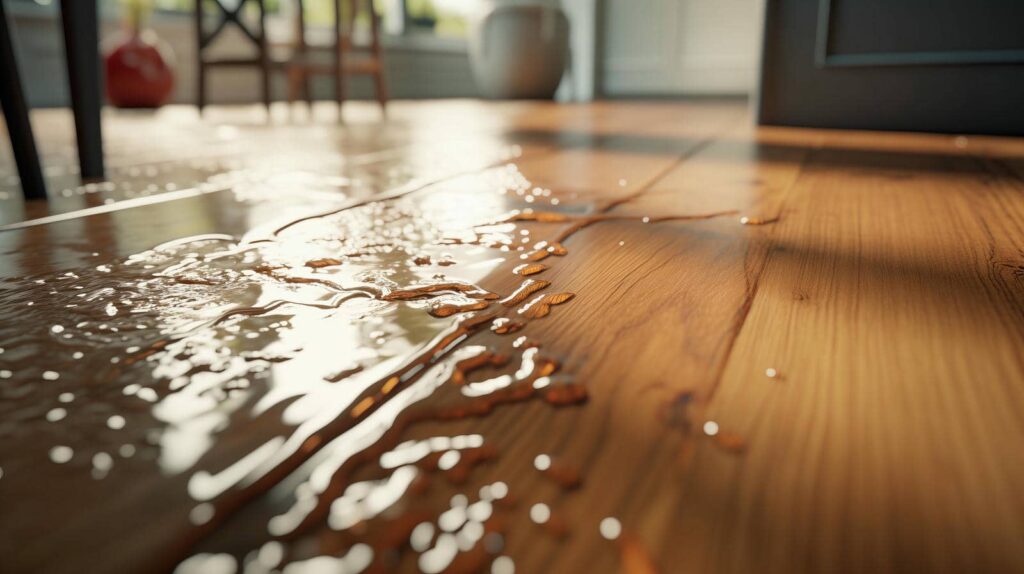
Check flooring for warping or soft spots, indicating possible water accumulation beneath. Don’t forget to inspect baseboards and trim for mold growth or mildew, as these can signal prolonged exposure to moisture.
Also, examine areas around windows and doors for leaks. By systematically following your checklist, you’ll gain a thorough understanding of the extent of water damage, allowing for informed decisions on necessary repairs and remediation.
Moisture Meter Usage
While a thorough visual inspection lays the groundwork for evaluating water damage, using a moisture meter provides precise measurements of moisture levels within materials. Understanding moisture meter types is vital; you’ll typically encounter pin-type and non-invasive models. Pin-type meters require probes to penetrate materials, giving accurate readings, while non-invasive types analyze surface moisture without damage.
To ensure accurate results, don’t forget about moisture meter calibration. Regular calibration maintains the meter’s reliability and helps you detect hidden water issues effectively.
Here’s a quick reference table for different moisture meter types and their characteristics:
| Moisture Meter Type | Measurement Method | Best Use Case |
|---|---|---|
| Pin-type | Probes penetrate | Wood and drywall |
| Non-invasive | Surface analysis | Plaster and concrete |
| Hygrometer | Ambient humidity | Air quality assessment |
| Infrared | Thermal imaging | Large areas |
| Digital | Electronic sensors | Quick assessments |
Utilizing these tools will enhance your water damage assessment strategy.
Infrared Thermography
Infrared thermography offers a powerful method for detecting hidden water damage by visualizing temperature variations that indicate moisture presence.
Using infrared technology, you can identify heat signatures that reveal underlying issues in walls, ceilings, and floors without invasive procedures.
When water infiltrates a building material, it often alters its thermal properties, creating distinct temperature patterns that your infrared camera can capture.
Thermal Imaging Cameras
Thermal imaging cameras play a pivotal role in the water damage assessment process, providing a practical means for detecting moisture behind walls and other surfaces. These devices utilize thermal imaging applications to visualize temperature differences, helping you identify areas affected by water damage that might not be visible to the naked eye.
| Feature | Description |
|---|---|
| Non-invasive | Detects moisture without damaging surfaces |
| Quick assessment | Provides immediate results |
| Visual data | Delivers clear images for analysis |
| Cost-effective | Reduces the need for extensive repairs |
| Preventive measures | Aids in early detection and prevention |
The benefits of thermography extend beyond immediate detection. By identifying hidden moisture, you can take proactive steps to mitigate damage and enhance your home’s integrity. Investing in thermal imaging technology empowers you to safeguard your property effectively.
Air Quality Testing
Air quality testing is essential for identifying contaminants that may arise from water damage, offering crucial insights into the health of your indoor environment.
This process helps you assess the quality of the air you breathe, especially after an incident involving moisture.
Key aspects to take into account during air quality testing include:
- Detection of airborne contaminants, such as VOCs and particulate matter
- Assessment of mold spores, which can proliferate in damp conditions
- Measurement of humidity levels that encourage mold growth
- Evaluation of overall air circulation and ventilation efficiency
Frequently Asked Questions
How Can I Prevent Future Water Damage in My Home?
You can prevent future water damage by installing effective drainage solutions around your home and using moisture barriers in basements and crawl spaces. Regularly inspect these areas to ensure they remain functional and secure.
What Are the Signs of Hidden Water Damage?
To identify hidden water damage, look for signs like discoloration, musty odors, and peeling paint. Utilize moisture detection tools to pinpoint hidden leaks, helping you address issues before they escalate and maintain your home’s integrity.
When Should I Call a Professional for Water Damage Assessment?
If you notice persistent moisture or unusual odors, it’s time to call a professional for a water damage inspection. They’ll utilize advanced moisture detection techniques to reveal hidden issues and prevent further damage to your home.
How Does Water Damage Affect Home Insurance Claims?
Water damage can complicate your home insurance claims, affecting coverage limits and the overall claim process. Understanding your policy helps you navigate potential pitfalls and ensures you receive the compensation you deserve for repairs.
What Should I Do Immediately After Discovering Water Damage?
When you discover water damage, don’t panic—act swiftly. Your immediate action is essential; prioritize emergency response by shutting off the water source and contacting professionals. Timely measures can minimize damage and foster a sense of security.
Conclusion
Evaluating water damage is vital for maintaining your home’s integrity. By utilizing techniques like visual inspections, moisture meters, and thermal imaging, you can detect and address issues early, potentially saving thousands in repairs. Don’t underestimate the importance of regular evaluations; they can protect your home and ensure a healthier living environment for you and your family.
Recent Posts
5 Steps for Flood Water Recovery
When floodwater enters your space, you need to act in a strict sequence. Flood Water
How to Restore Water Damage After Flood
After a flood, you’re facing more than a little cleanup, and your first move is
7 Smoke Odor Removal Tips After Water Damage
Smoke odor after water damage can linger in places you’d never think to inspect first.