
Contents
Mold can begin to grow within 24 to 48 hours after water damage, making prompt action vital. You’ll need to assess the damage carefully and take safety mold cleanup precautions to protect yourself. Identifying affected areas and containing them is key to preventing further spread. But what happens next? Understanding the entire cleanup process is fundamental to ensuring thorough remediation and safeguarding your space against future infestations.
Key Takeaways
- Identify the source of water damage and assess the severity of the affected areas to understand the extent of mold growth.
- Wear appropriate PPE and ensure proper ventilation while containing the affected area to minimize health risks during cleanup.
- Safely remove and dispose of all damaged materials, adhering to local regulations and guidelines to prevent further contamination.
- Clean and disinfect all surfaces using suitable cleaning solutions, ensuring thorough scrubbing and drying to eliminate mold spores.
- Use dehumidifiers and maintain low humidity levels below 60% to prevent future mold growth and promote effective drying.
Assessing the Extent of Water Damage
When evaluating the extent of water damage, it’s vital to act quickly and methodically.
First, focus on water source identification; determine where the water originated, whether from a burst pipe, a leaky roof, or flooding. This step is important for effective remediation and preventing future issues.
Next, conduct a damage severity evaluation. Inspect the affected areas, checking walls, floors, and ceilings for discoloration, warping, or mold growth.
Document your findings thoroughly, as this information will guide your next steps and inform any professionals you might engage.
Safety Precautions Before Cleanup
Before you start cleanup, make certain you’re wearing appropriate personal protective equipment (PPE) such as gloves, goggles, and a mask to shield yourself from mold spores.
Proper ventilation is essential; open windows and use fans to improve airflow and reduce airborne contaminants.
Taking these precautions will help protect your health as you tackle the mold removal process.
Personal Protective Equipment
Personal Protective Equipment (PPE) is essential for ensuring your safety during mold cleanup after water damage.
Using the right PPE types can greatly reduce your risk of exposure to harmful mold spores. Here are some key items to take into account:
- N95 Respirator: Protects your lungs from inhaling mold spores.
- Gloves: Use nitrile or rubber gloves to prevent skin contact with moldy materials.
- Goggles: Shield your eyes from irritants and spores.
Understanding the importance of PPE can’t be overstated; it safeguards your health and empowers you to tackle cleanup confidently.
Ventilation and Airflow
Ensuring proper ventilation and airflow is essential for minimizing mold exposure during cleanup. You should always assess your ventilation systems before beginning work. Effective airflow management helps to disperse mold spores and keeps the environment safe. Here’s a quick reference table to guide your setup:
| Action | Purpose | Tools Needed |
|---|---|---|
| Open Windows | Increase fresh air intake | None |
| Use Exhaust Fans | Remove contaminated air | Electric fans |
| Dehumidifiers | Reduce moisture levels | Portable dehumidifier |
| Air Purifiers | Capture airborne mold spores | HEPA air purifier |
Identifying Mold Growth Areas
To effectively identify mold growth areas, start by examining common locations such as bathrooms, basements, and around plumbing fixtures.
Look for signs of mold presence like discoloration, musty odors, or water stains on walls and ceilings.
Additionally, employ moisture assessment techniques, such as using a moisture meter, to pinpoint damp areas that may foster mold development.
Common Mold Locations
Mold can thrive in various hidden corners of your home, often in places you mightn’t suspect. Understanding common mold types and their preferred mold growth conditions is essential for effective prevention.
Here are three common locations where mold often flourishes:
- Bathrooms: High humidity levels from showers create ideal conditions for mold like Aspergillus and Penicillium.
- Basements: Dampness and lack of ventilation make these spaces susceptible to Stachybotrys (black mold).
- Kitchens: Leaky pipes and food spills provide moisture and organic material, attracting mold such as Cladosporium.
Signs of Mold Presence
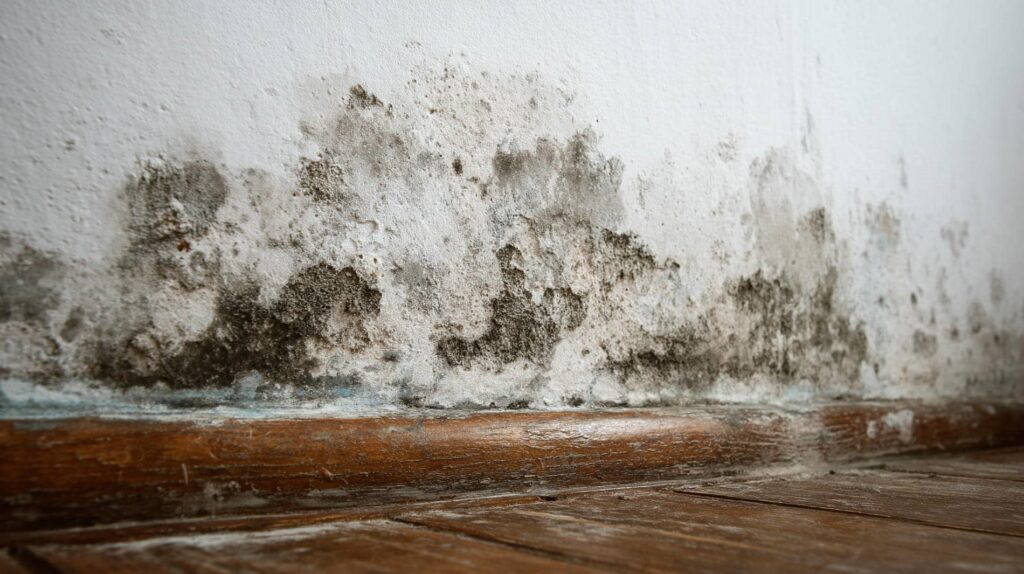
How can you spot the early signs of mold presence in your home? First, look for visible mold growth, often appearing as black, green, or white spots.
Pay attention to musty odors, which can signal hidden mold. Check damp areas like bathrooms, kitchens, or basements, where moisture thrives.
Use mold identification methods such as moisture meters to detect excess humidity levels, as high humidity can lead to mold health effects.
Be vigilant about peeling wallpaper or water stains, as they may indicate underlying mold issues.
If you notice respiratory problems or allergic reactions among your family members, it could also be a sign of mold exposure.
Early detection is essential for ensuring a safe, healthy living environment.
Moisture Assessment Techniques
A thorough moisture assessment is essential for identifying areas prone to mold growth.
You’ll want to utilize moisture mapping and humidity measurement techniques to pinpoint problematic spots. Here are a few effective methods:
- Infrared Thermography: This technique detects temperature variations, revealing hidden moisture behind walls and ceilings.
- Moisture Meters: Use these devices to measure the moisture content in materials like wood and drywall, helping you assess the extent of water damage.
- Humidity Sensors: These tools monitor indoor humidity levels, guiding you on when conditions are ripe for mold growth.
Containing the Affected Area
To effectively contain the affected area after water damage, you must first identify and isolate the source of moisture. Once you’ve done that, implement mold containment methods to prevent spores from spreading.
Start by sealing off the area with temporary barriers, such as plastic sheeting, to create a controlled environment. Make certain the barriers extend from floor to ceiling, sealing all edges with tape.
Next, use negative air pressure techniques to keep contaminated air from escaping. This involves placing an air scrubber inside the contained space, exhausting filtered air outside.
Always wear appropriate personal protective equipment (PPE), including masks and gloves, to safeguard your health while working in this environment.
Regularly monitor humidity levels, aiming to keep them below 60% to inhibit mold growth. By taking these precise steps, you’ll create a safe and contained space for effective mold remediation.
Removing Damaged Materials
To effectively remove damaged materials after water damage, you first need to identify all affected areas, including drywall, insulation, and flooring.
Use safe removal techniques, such as wearing protective gear and ensuring proper ventilation, to minimize health risks.
Finally, dispose of these materials according to local regulations to prevent further contamination.
Identify Affected Materials
Once you’ve assessed the damage, identifying and removing affected materials is essential for effective mold cleanup.
Start by employing mold identification techniques to determine which materials have been compromised. Commonly affected material types include:
- Drywall: Often absorbs moisture, making it a prime candidate for mold growth.
- Carpeting: Can trap water and provide a breeding ground for mold if not dried promptly.
- Insulation: If wet, it can harbor mold and reduce energy efficiency.
Carefully inspect each area for signs of water damage and mold.
If the materials show significant deterioration or mold growth, it’s imperative to remove them to prevent further contamination.
Ensuring a thorough removal process fosters a safer environment for you and your loved ones.
Safe Removal Techniques
Safe removal of damaged materials is essential to prevent mold from spreading and to ensure a safe environment. Begin by donning protective gear, including gloves and masks, to secure your safety during the process. Utilize effective mold remediation techniques to carefully remove affected materials.
Here’s a useful table summarizing safe cleaning methods:
| Material Type | Removal Technique | Safety Precautions |
|---|---|---|
| Drywall | Cut out affected areas | Wear respirator |
| Carpet | Remove and discard | Use gloves |
| Insulation | Pull out entirely | Seal in plastic bags |
| Wood | Sand or replace | Use eye protection |
| Ceiling Tiles | Replace with new tiles | Maintain proper ventilation |
Proper Disposal Methods
After successfully removing damaged materials, proper disposal methods play an important role in preventing mold from re-establishing itself and ensuring safety.
It’s essential to follow local recycling guidelines and handle hazardous waste appropriately. Here are some key points to take into account:
- Separate materials: Sort items into recyclable, compostable, and hazardous waste categories to streamline disposal.
- Adhere to regulations: Familiarize yourself with your area’s specific recycling guidelines to ensure compliance and reduce environmental impact.
- Use protective gear: When handling hazardous waste, wear gloves and a mask to protect yourself from contamination.
Cleaning and Disinfecting Surfaces
To effectively tackle mold cleanup, it’s crucial to focus on cleaning and disinfecting surfaces that have been affected by water damage. Start by using effective cleaners that are specifically designed for mold remediation techniques. Always wear protective gear, including gloves and a mask, to ensure your safety.
Here’s a quick reference table to help you choose the right cleaning method:
| Surface Type | Recommended Cleaner | Cleaning Techniques |
|---|---|---|
| Hard surfaces | Bleach solution (1:10) | Scrub, rinse, and dry |
| Non-porous items | Hydrogen peroxide | Wipe and allow to air dry |
| Fabrics | Vinegar solution | Soak, then wash thoroughly |
| Drywall | Commercial mold cleaner | Spray, scrub, and dry |
Remember to follow the manufacturer’s instructions for any cleaner you use. Cleaning and disinfecting surfaces thoroughly will help prevent future mold growth and keep your environment healthy.
Drying the Affected Area
Once you’ve cleaned and disinfected the affected surfaces, the next step is drying the area thoroughly. This is essential to prevent mold growth.
Here’s how to effectively dry the space:
- Utilize a dehumidifier: Set it to the appropriate level to remove excess moisture from the air.
- Ensure proper air circulation: Open windows and doors, and use fans to promote airflow throughout the area.
- Monitor humidity levels: Aim for indoor humidity below 60% to inhibit mold development.
Preventing Future Mold Growth
While addressing mold cleanup is vital, implementing preventive measures is equally important to safeguard your space from future infestations.
Start by using mold-resistant building materials in areas prone to moisture, such as bathrooms and basements. These materials can markedly reduce the risk of mold growth.
Establish a robust moisture control plan by ensuring proper ventilation and using dehumidifiers in high-humidity areas. This helps maintain ideal humidity levels, which are essential in preventing mold development.
Conduct regular inspections of your property, focusing on areas like plumbing, roofing, and windows.
Look for any signs of water leaks or excessive moisture. Addressing these issues promptly can prevent mold spores from taking hold.
When to Call a Professional
If you notice extensive mold growth or persistent water damage that you can’t manage on your own, it’s important to call a professional.
A timely professional assessment is vital to prevent health risks associated with mold exposure and ensure effective mold remediation.
Here are some signs that indicate you should reach out to an expert:
- Widespread Mold Presence: If mold covers more than 10 square feet, it’s time for professional help.
- Underlying Water Issues: If you can’t identify the source of the moisture or if it persists after your efforts, specialists can locate and resolve it.
- Health Concerns: If you or your family experience respiratory issues or allergic reactions, a professional can assess the situation and confirm safety.
Final Inspection and Restoration
After completing mold remediation, a thorough final inspection is crucial to ensure the affected areas are safe and restored to their original condition.
Start by using a mold inspection checklist to systematically assess each room. Check for any signs of residual moisture, discoloration, or lingering odors that might indicate hidden mold.
Ensure that all surfaces are clean and dry, and verify the effectiveness of any installed dehumidifiers or ventilation systems. It’s important to document your findings, as this will help in tracking progress and adhering to your restoration timeline.
Once you’re satisfied that everything meets safety standards, consider applying a mold-resistant sealant to protect the area long-term.
Finally, engage the occupants or stakeholders in the process, so they feel included and reassured about the safety of their environment. A successful inspection and restoration restores property and fosters a sense of community and well-being.
Frequently Asked Questions
How Long Does It Take for Mold to Grow After Water Damage?
Mold growth can occur within 24 to 48 hours after water damage, depending on various factors like humidity and temperature. Addressing these conditions promptly is essential to prevent extensive mold issues and ensure safety.
Can I Use Bleach to Kill Mold Effectively?
You can’t rely solely on bleach to kill mold effectively. It’s better to explore bleach alternatives, like vinegar or hydrogen peroxide, for mold prevention. Always prioritize safety and proper ventilation when dealing with mold issues.
What Are the Health Effects of Mold Exposure?
When it comes to mold exposure, you’re walking on thin ice. Mold symptoms can include allergic reactions like sneezing, coughing, and skin irritation, which can worsen respiratory issues, especially for sensitive individuals. Stay vigilant and safe.
Is It Safe to Stay in the House During Cleanup?
It isn’t always safe to stay during cleanup. You should prioritize mold safety by wearing protective gear and ensuring proper ventilation. Follow cleanup precautions to mitigate health risks, and consider temporarily relocating if necessary.
How Can I Tell if Mold Is Completely Removed?
To know if mold’s gone, trust your senses; conduct thorough mold inspection techniques and apply effective mold removal methods. If you see or smell mold, it’s time to reassess your cleanup efforts for safety.
Conclusion
In the battle against mold, you’ve equipped yourself with the right tools and knowledge. By evaluating damage, prioritizing safety, and thoroughly drying your space, you’re not just cleaning—you’re fortifying your home against future infestations. Think of your diligent efforts as planting seeds of resilience, ensuring mold has no fertile ground to take root. With a final inspection, you can breathe easy, knowing you’ve reclaimed your space and safeguarded it for the future.
Recent Posts
5 Steps for Flood Water Recovery
When floodwater enters your space, you need to act in a strict sequence. Flood Water
How to Restore Water Damage After Flood
After a flood, you’re facing more than a little cleanup, and your first move is
7 Smoke Odor Removal Tips After Water Damage
Smoke odor after water damage can linger in places you’d never think to inspect first.