
Contents
Flooded basements can be both a breeding ground for mold and a haven for homeowners seeking refuge from water damage. You need to act quickly and efficiently to prevent further issues. By evaluating the damage and gathering the right tools, you can tackle this problem head-on. But where do you start, and what steps should you take to ensure a thorough cleanup? Let’s explore practical strategies for mold removal that can save your space and your health.
Key Takeaways
- Assess damage and safety risks by checking for mold growth and electrical hazards before beginning the cleanup process.
- Wear protective gear, including gloves, masks, and goggles, to safeguard against mold exposure during removal.
- Remove standing water using a submersible pump and ensure thorough drying with fans and dehumidifiers.
- Clean all affected surfaces with a disinfectant solution to eliminate mold spores and prevent regrowth.
- Monitor humidity levels regularly and maintain them between 30-60% to deter future mold growth in the basement.
Assess the Damage and Safety Risks
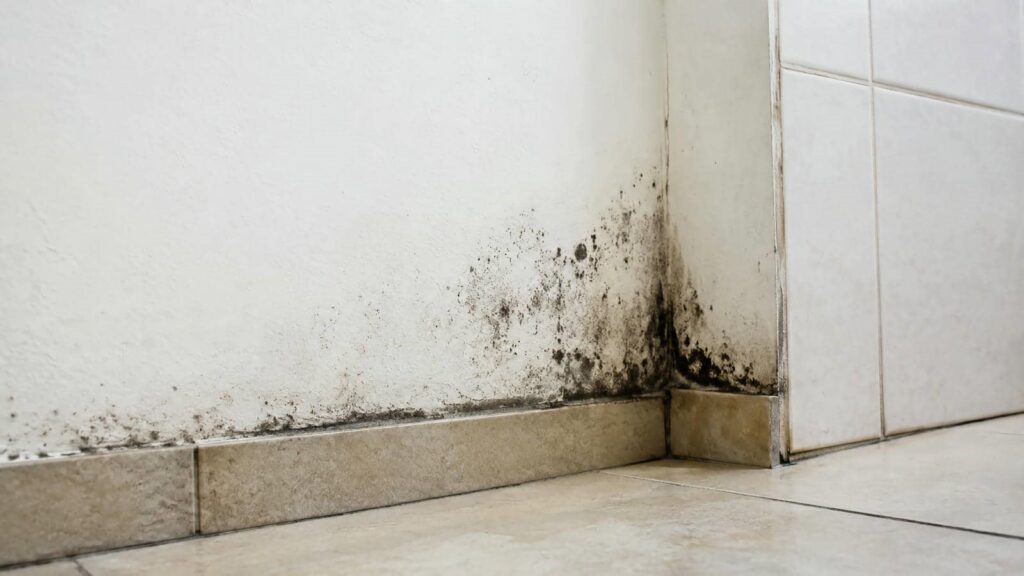
Before diving into mold removal, it’s important to assess the damage and identify any safety risks. Start with a thorough damage evaluation of your flooded basement. Check for visible mold growth on walls, floors, and any stored items. Look for water-damaged materials, as these can harbor mold spores. Take note of areas that seem particularly affected, as this will guide your removal process.
Next, conduct a safety assessment. Verify your environment is safe for you to work in. Look for electrical hazards, and if you notice any, turn off the power in that area before proceeding.
Pay attention to air quality; if you smell a musty odor, it’s a sign of mold presence. Consider the potential impact on your health, especially if you have allergies or respiratory issues.
Gather Necessary Protective Gear
Gathering the right protective gear is crucial for safely tackling mold removal. Start by donning a pair of sturdy protective gloves. These gloves will shield your hands from mold spores and any harmful substances you might encounter. Look for gloves made from latex or nitrile, as they provide both durability and a secure fit.
Next, invest in high-quality respirator masks. Standard dust masks won’t cut it; you need a mask that filters out mold spores effectively. Choose a respirator with an N95 rating or higher to ensure you’re breathing clean air while you work.
Additionally, consider wearing goggles to protect your eyes from irritation. If you’re dealing with extensive mold growth, you might even want to wear a protective suit to minimize skin exposure.
Ventilate the Basement Properly
With your protective gear in place, you’ll want to focus on ventilating the basement effectively. Start by opening windows and doors to encourage natural airflow.
If it’s safe to do so, use fans to enhance air circulation techniques. Position them to blow air out of the basement, creating negative pressure that pulls fresh air in. This helps reduce basement humidity, which is vital for mold prevention.
Consider using a dehumidifier to further lower humidity levels, especially in enclosed spaces. Make sure to regularly check and empty the water reservoir.
You can also place a few bowls of salt or baking soda around the room to absorb moisture naturally. Remember, consistent ventilation is key; keep airflow going for a few days until the area is completely dry.
Remove Standing Water Promptly
As soon as you notice standing water in your basement, act quickly to remove it to prevent mold growth.
Having effective water extraction techniques is crucial. Here’s a straightforward plan you can follow:
Shut Off Power: Confirm all electrical sources are safe to avoid hazards.
Use a Pump: Deploy a submersible pump to remove larger volumes of water efficiently.
Wet/Dry Vacuum: For remaining water, utilize a wet/dry vacuum for thorough extraction.
Drying Equipment: Once the water is gone, set up fans and dehumidifiers to dry out the area completely.
Creating an emergency response plan ahead of time can prepare you for such situations.
Remember, the faster you deal with standing water, the less chance mold has to take hold.
Don’t wait—your proactive steps will lead to a healthier, mold-free basement.
Identify and Remove Mold-Infested Materials
Before tackling mold removal, you need to identify and remove any materials that are infested. Start by using mold identification techniques such as visual inspections and odor detection to locate affected areas. Look closely at drywall, carpets, and furniture, as these materials often harbor mold growth. If you see discoloration or smell musty odors, those items are likely compromised.
Once you’ve pinpointed mold-infested materials, follow material disposal guidelines to ensure safe removal. For porous items like carpets and insulation, it’s best to discard them entirely. Seal these materials in plastic bags before taking them outside to prevent spores from spreading.
Non-porous items can often be cleaned, but if they’re heavily contaminated, consider disposing of them as well. Always wear protective gear, like gloves and masks, to safeguard yourself during this process. Taking these steps helps create a healthier environment for you and your loved ones.
Clean and Disinfect Surfaces
After you’ve removed mold-infested materials, it’s time to clean and disinfect the surfaces that may have been exposed to mold spores.
Proper surface preparation is vital to prevent further mold growth. Here’s how to effectively clean and disinfect:
Gather your supplies: You’ll need gloves, a mask, a scrub brush, and a disinfectant solution.
Remove visible debris: Scrub the surfaces to eliminate any remaining dust or dirt that could harbor spores.
Apply disinfectant: Use a solution that’s effective against mold. Make sure you cover all affected areas thoroughly.
Rinse and dry: After the disinfectant has set, rinse the surfaces with clean water and dry them completely to hinder mold’s return.
Use Appropriate Mold Removal Products
When choosing mold removal products, consider eco-friendly cleaning solutions that are effective yet safe for your home and the environment.
Always read labels to understand the chemical safety precautions, ensuring you protect yourself during the removal process.
Eco-friendly Cleaning Solutions
Choosing eco-friendly cleaning solutions for mold removal not only protects your health but also safeguards the environment.
Here are some effective natural cleaners you can use:
Vinegar solution: Mix equal parts of vinegar and water in a spray bottle. Spray directly on the moldy area and let it sit for an hour before wiping it off.
Baking soda: Combine one-quarter tablespoon of baking soda with water to create a paste. Apply it to the mold and scrub gently.
Hydrogen peroxide: Use a 3% hydrogen peroxide solution. Spray it on the mold and let it sit for 10 minutes before cleaning.
Tea tree oil: Mix one teaspoon of tea tree oil with one cup of water. Spray on affected areas for long-lasting results.
These natural alternatives effectively combat mold without harming the planet.
Chemical Safety Precautions
How can you ensure safety while using chemical mold removal products?
First, always wear appropriate safety equipment, including gloves, goggles, and masks to minimize chemical exposure. Choose products specifically designed for mold removal, following the manufacturer’s instructions carefully.
Make sure you’re in a well-ventilated area, opening windows or using fans to disperse harmful fumes. If you’re sensitive to chemicals, consider using eco-friendly alternatives when possible.
Before starting, read the Safety Data Sheet (SDS) for each product—this provides essential information about handling and potential hazards.
Finally, never mix different cleaning products, as this can create dangerous reactions.
Monitor Humidity Levels
Maintaining ideal humidity levels is essential for preventing mold growth in your home. Effective humidity control and moisture management can go a long way in safeguarding your living space.
Here’s how you can monitor humidity levels:
Use a Hygrometer: Invest in a reliable hygrometer to measure indoor humidity. Aim for levels between 30-60%.
Ventilate: Open windows and doors when possible to allow fresh air circulation, especially after flooding.
Dehumidifiers: Utilize a dehumidifier in damp areas. This device helps maintain suitable humidity, particularly in basements.
Regular Checks: Make it a habit to check humidity levels frequently, especially during humid seasons.
Prevent Future Mold Growth
After keeping an eye on humidity levels, it’s time to take proactive steps to prevent future mold growth.
Start by using mold resistant materials in your basement, such as specially treated drywall and insulation. These products can greatly reduce mold’s chances of taking hold.
Next, prioritize regular inspections of your basement. Look for any signs of water leaks or condensation, as these can create the perfect environment for mold. Address any issues immediately, even if they seem minor.
Ensure proper ventilation by installing exhaust fans and opening windows when possible to promote airflow.
Keeping your basement clean and dry is essential, so avoid clutter that can trap moisture.
Finally, consider investing in a dehumidifier to maintain ideal humidity levels.
Seek Professional Help if Needed
If you notice extensive mold growth or experience health issues, it’s essential to assess the severity of the situation.
Finding qualified professionals can help ensure thorough and safe treatment options are available to you.
Don’t hesitate to seek expert assistance when needed; it can save you time and prevent further damage.
Assessing Mold Severity
When you discover mold in your home, it’s essential to assess the severity of the situation before taking action. Ignoring mold growth can lead to significant health risks for you and your loved ones.
Here’s how to evaluate the extent of the problem:
Size: Measure the affected area; small spots may be manageable, but larger areas could indicate deeper issues.
Type: Identify the mold; some types are more toxic and require immediate professional intervention.
Location: Check its location; mold in hidden areas like behind walls can be more hazardous.
Duration: Consider how long it’s been there; prolonged exposure increases health risks.
If you find significant mold, don’t hesitate to seek professional help. Your health and safety are worth it.
Finding Qualified Professionals
Identifying mold in your home can be alarming, especially if it’s determined to be extensive or toxic. In such cases, it’s essential to find qualified professionals who can safely handle the removal.
Start by searching for contractors who adhere to mold certification standards, ensuring they’ve the necessary training and expertise. Read contractor reviews online to gauge their reliability and the quality of their work.
Don’t hesitate to ask for references from previous clients; this can provide insight into their professionalism and effectiveness.
Understanding Treatment Options
Understanding treatment options for mold removal is crucial, especially since the effectiveness of each method can vary depending on the severity and type of mold present.
Here are some mold treatment methods you might consider for long-term solutions:
Chemical Treatments: Use commercial mold removers to eradicate mold on surfaces.
Natural Solutions: Try vinegar or baking soda for a more eco-friendly approach.
Encapsulation: Seal moldy areas with a protective coating to prevent regrowth.
Professional Remediation: If the problem’s extensive, hiring experts ensures thorough removal and monitoring.
Always assess your situation carefully.
If you feel overwhelmed or unsure, don’t hesitate to seek professional help. Your health and home deserve the best care.
Recap
Once you’ve tackled mold removal in your flooded basement, remember that prevention is key. Can you imagine walking into a space that smells fresh and feels safe again? Keep humidity levels in check, regularly inspect for leaks, and use mold-resistant materials in your repairs. By staying vigilant and proactive, you can create a healthier environment in your home. Don’t hesitate to seek professional help if the mold returns—your family’s well-being is worth it!
Recent Posts
What Is the Top Mold Removal for Flooded Basements?
Is it true that mold can start growing within 24 to 48 hours after a
Top Tips for Crawl Space Mold Remediation
Your crawl space can be a hidden jungle where mold thrives if not properly managed.
10 Best Crawl Space Mold Remediation Tips
Crawl space mold can lead to serious health issues and structural damage if not addressed