
Contents
Many believe that mold only becomes a problem after a home has been considerably flooded. However, even minor water damage can create an environment conducive to mold growth if not addressed promptly. By understanding the key steps in preventing this issue in water-damaged homes, you can protect your home and health. But what specific actions should you take to ensure mold doesn’t take hold? Let’s explore effective strategies to safeguard your living space.
Water-Damaged Homes – Key Takeaways
- Act quickly to remove standing water and dry affected areas within 24-48 hours to limit mold growth.
- Maintain indoor humidity levels below 60% using dehumidifiers and proper ventilation.
- Regularly inspect and clean moisture-prone areas, such as basements and bathrooms, for early signs of mold.
- Use mold-resistant materials and paints in areas prone to water damage to prevent future growth.
- Monitor and repair any leaks or water intrusions immediately to avoid creating a conducive environment for mold.
Assessing the Extent of Water Damage
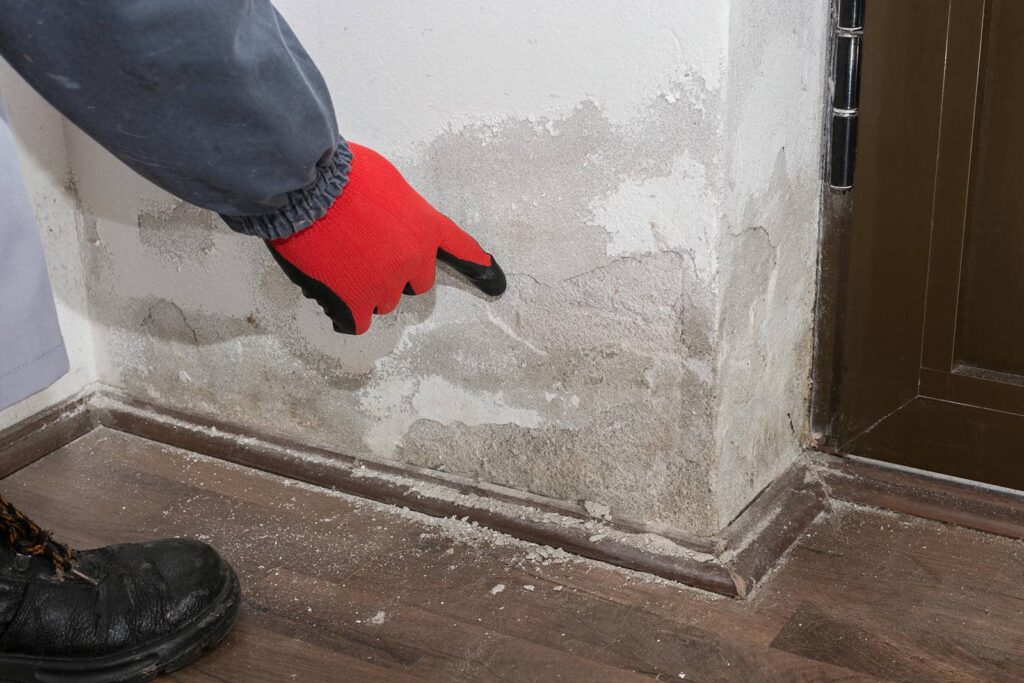
When you face water damage in your home, evaluating the extent of that damage is essential for effective remediation. Start by identifying the source of the water intrusion, as this will guide your evaluation.
Check all affected areas, including walls, floors, and ceilings, for visible signs of damage such as discoloration or warping. Don’t forget to inspect hidden spaces, like behind appliances or under carpets, where moisture might linger.
Conducting a thorough mold evaluation is significant, as mold can develop rapidly in damp environments. Use moisture meters to measure humidity levels, and consider air quality tests to detect mold spores.
Document your findings, noting the severity and location of the damage. This information will help you prioritize repairs and inform professionals if you need to enlist their help.
Immediate Steps for Water Extraction
Once you’ve assessed the extent of water damage in your home, it’s time to act quickly to extract the water.
Begin your flood response by turning off the electricity and gas to prevent hazards. Next, gather necessary equipment for effective water removal, such as a wet/dry vacuum, mops, and buckets. If the water is considerable, consider renting a high-capacity pump.
Remove any furniture and valuables from the affected area to reduce further damage. Start vacuuming or pumping out standing water as soon as possible. The faster you remove the water, the less chance there is for mold to develop.
Don’t forget to check hidden areas like under cabinets or behind appliances where water can accumulate.
Finally, wear protective gear, including gloves and masks, to safeguard against contaminants. Prompt action during this phase can considerably mitigate long-term issues in your home.
Drying and Dehumidifying Affected Areas
To effectively prevent mold growth after water damage, drying and dehumidifying the affected areas is essential. You’ll want to focus on ideal conditions to inhibit mold development.
Here are some key strategies:
Set the Dehumidifier Properly: Use the appropriate dehumidifier settings to maintain a humidity level below 60%. This helps in reducing moisture in the air effectively.
Enhance Airflow Management: Ensure proper airflow by moving furniture and using fans. This circulation helps speed up the drying process and prevents moisture from settling.
Monitor Progress: Regularly check the moisture levels in the area using a hygrometer. This will help you assess whether you need to adjust your dehumidifier settings or airflow.
Cleaning and Disinfecting Surfaces
Although drying and dehumidifying are vital, cleaning and disinfecting surfaces are equally important in preventing mold growth after water damage. Start by employing proper surface preparation techniques. Remove any debris, dirt, or visible mold before applying disinfectants. This ensures the disinfectant can penetrate effectively.
When choosing effective disinfectant options, select products labeled for mold and mildew elimination, such as those containing hydrogen peroxide or quaternary ammonium compounds. Follow the manufacturer’s instructions for ideal results, paying attention to contact time, which is essential for killing mold spores.
Apply the disinfectant generously to the affected surfaces, assuring thorough coverage. Don’t forget to tackle hidden areas, like behind furniture or inside walls, where moisture might linger.
After disinfecting, allow surfaces to air dry completely. This two-step process of cleaning and disinfecting reduces mold risk and promotes a healthier living environment.
Ongoing Maintenance and Monitoring for Mold
While it’s crucial to address water damage promptly, ongoing maintenance and monitoring for mold are equally important in safeguarding your home.
Regular checks can prevent mold growth and ensure a healthy living environment.
To stay ahead of potential mold issues, consider these practices:
Conduct routine inspections: Regularly examine areas prone to moisture, like basements and bathrooms, for any signs of mold or leaks.
Utilize mold detection tools: Invest in moisture meters or mold detection kits to identify high humidity levels and potential mold growth early.
Maintain proper ventilation: Confirm your home has adequate airflow, especially in areas that retain moisture, to discourage mold development.
Wrap-Up
To effectively prevent mold in water-damaged homes, remember that time is of the essence. Taking immediate action, like drying wet areas and using dehumidifiers, can make all the difference. Regularly inspect for leaks and signs of mold growth to maintain a healthy environment. By staying vigilant and proactive, you can protect your home and loved ones from the harmful effects of mold in water-damaged homes.
Recent Posts
10 Key Tips for Storm Damage Restoration
When nature has a way of rearranging your environment, it’s vital to respond with a
Top Tips for Storm Damage Restoration at Home
Many homeowners experience some form of storm damage. When faced with such unexpected challenges, it’s
What Are Top Tips for Sewage Cleanup?
Is it really possible to effectively manage a sewage cleanup without proper preparation? Many underestimate