
Contents
Preventing mold might seem like a Herculean task, but it’s actually quite manageable with a few strategic steps. By understanding the mold lifecycle and identifying potential moisture sources, you can create an environment that discourages growth. Proper ventilation and regular inspections play an essential role in this process. Curious about the specific actions you can take to ensure your space stays mold-free? Let’s explore the practical techniques that make all the difference.
Key Takeaways
- Simple moisture control measures, like fixing leaks and using dehumidifiers, significantly reduce mold growth potential in your home.
- Regular maintenance, such as checking ventilation systems and inspecting for water damage, can prevent mold before it starts.
- Mold-resistant materials, like special paints and drywall, are widely available and help protect your home from moisture intrusion.
- Quick responses to water damage, including drying areas within 24-48 hours, effectively prevent mold development.
- DIY solutions, like vinegar or baking soda, are easy to implement and can effectively eliminate and prevent mold growth.
Understanding the Mold Lifecycle
Understanding the mold lifecycle is essential for effective prevention and control. Mold reproduction occurs through spores, which are microscopic and can travel through the air. When conditions are right—specifically, warmth, moisture, and organic material—these spores can settle and germinate.
Environmental factors play a significant role in this process. High humidity levels, damp surfaces, and poor ventilation create ideal conditions for mold growth.
Once established, mold can proliferate rapidly, leading to larger colonies. It’s important to recognize that even a small amount of moisture can trigger this lifecycle.
By maintaining a dry environment and controlling humidity, you can disrupt mold reproduction before it starts. Regular inspections and prompt repairs of leaks are critical steps in managing the environmental factors that contribute to mold development.
Understanding these dynamics empowers you to implement effective strategies, keeping your space mold-free and safe.
Identifying Common Water Sources
To prevent mold growth, you need to identify common water sources in your environment.
Plumbing leaks, high humidity, and roof issues can all contribute to excessive moisture.
Plumbing Leaks and Drips
Plumbing leaks and drips often lurk unnoticed, silently feeding the conditions that foster mold growth. Identifying these hidden sources is essential for mold prevention.
Start with regular pipe inspections, focusing on areas prone to wear, such as joints and connections. Use leak detection tools to pinpoint moisture accumulation behind walls or under floors.
Pay attention to appliances like dishwashers, washing machines, and water heaters, as these are common culprits for concealed leaks. Even small drips can lead to considerable problems over time, creating an ideal environment for mold spores to thrive.
Humidity and Condensation Issues
Moisture in the air can be just as problematic as hidden leaks, contributing greatly to mold growth. High humidity levels often lead to condensation on surfaces, creating a breeding ground for mold.
Common sources of excess moisture include cooking, showering, and drying clothes indoors. By monitoring humidity levels, you can identify potential issues early on. Aim to keep indoor humidity below 60% to prevent condensation.
Utilizing exhaust fans in kitchens and bathrooms is an effective condensation prevention strategy. Additionally, consider using a dehumidifier in damp areas like basements.
Regularly check for condensation on windows and walls, as these can signal high moisture levels, allowing you to take action before mold becomes a serious concern.
Roof and Gutter Problems
While you mightn’t immediately associate roof and gutter issues with mold growth, these elements play an important role in managing water around your home. Neglected gutters can overflow, directing water towards your foundation and fostering mold.
Regular gutter maintenance ensures that water flows freely, preventing pooling that can lead to moisture issues. Similarly, roof inspections are vital; damaged shingles or missing tiles can allow leaks, creating an ideal environment for mold to thrive.
By addressing these areas proactively, you can minimize water intrusion and mold risks. Keep an eye on your roof and gutters, and schedule regular maintenance to protect your home from costly mold problems down the road.
A small effort now can save you big headaches later.
Importance of Proper Ventilation
Proper ventilation is vital for maintaining fresh air circulation, which helps prevent mold growth in your home.
By implementing effective humidity control strategies, you can greatly reduce moisture levels on which mold thrives.
Additionally, the choice of building materials can impact air quality and moisture retention, making it essential to take these factors into account in your ventilation efforts.
Fresh Air Circulation
Ventilating your space effectively is crucial for maintaining fresh air circulation and preventing mold growth. By optimizing airflow, you can enhance indoor air quality and regulate indoor temperature, which are both critical in mold prevention.
Stagnant air allows humidity to rise, creating a perfect breeding ground for mold spores. Implementing strategies like opening windows, using exhaust fans, and strategically placing vents can improve airflow throughout your home.
Additionally, consider using air purifiers to filter out pollutants and moisture. Regularly checking and maintaining your HVAC system ensures it’s working efficiently, which contributes to further airflow optimization.
Humidity Control Strategies
Effective air circulation is only one piece of the puzzle when it comes to mold prevention; managing humidity levels is equally important. High humidity creates an ideal environment for mold growth, so it’s essential to monitor and control these levels.
Consider investing in humidity sensors that provide real-time data on moisture levels in your home. This allows you to make informed decisions about when to take action. Additionally, explore various dehumidifier options suitable for your space; these devices can effectively reduce humidity and prevent mold development.
Regularly emptying the dehumidifier and ensuring proper drainage are critical for maintaining optimal performance. By focusing on humidity control alongside ventilation, you greatly reduce the risk of mold in your living environment.
Building Materials Impact
The choice of building materials plays an essential role in mold prevention, particularly when combined with adequate ventilation.
Using mold-resistant materials, such as fiberglass or specially treated wood, can greatly reduce the chances of mold growth. These materials are designed to withstand moisture, making them ideal for humid environments.
Additionally, adhering to building codes that emphasize proper ventilation can further enhance mold prevention efforts. Ensuring that your space has sufficient airflow minimizes moisture accumulation, a key factor in mold proliferation.
Effective Moisture Control Techniques
While many homeowners underestimate the importance of moisture control, implementing effective techniques can considerably reduce the risk of mold growth. Start by installing moisture barriers in areas prone to dampness, such as basements and crawl spaces. These barriers act as a shield, preventing moisture from seeping through walls and floors.
Next, consider advanced insulation techniques to further enhance your home’s resistance to humidity. Properly insulated walls and attics regulate temperature and minimize condensation, which is a breeding ground for mold.
Additionally, ensure adequate ventilation in high-moisture areas, such as bathrooms and kitchens. Use exhaust fans to expel humid air and maintain airflow.
Regularly check for leaks in plumbing and roofing, addressing any issues promptly. By combining moisture barriers with effective insulation techniques, you can create a robust defense against mold, safeguarding your home’s health and integrity.
Choosing the Right Mold-Resistant Materials
When selecting materials for your home, prioritizing mold-resistant options can greatly enhance your defense against mold growth.
Using the right materials prevents mold and saves you time and money in the long run. Here are three essential choices to evaluate:
Mold Resistant Paints: These paints contain antimicrobial agents that inhibit mold growth, making them ideal for high-humidity areas like bathrooms and kitchens.
Moisture Barriers: Installing moisture barriers in walls and crawl spaces helps prevent water intrusion, reducing the likelihood of mold development.
Mold-Resistant Drywall: This type of drywall is designed with a moisture-resistant core and a protective paper covering, making it less susceptible to mold compared to standard drywall.
Regular Maintenance and Inspections
Regular maintenance and inspections are essential for keeping mold at bay in your home. By implementing routine checks, you can identify potential problem areas before they escalate.
Start by developing a maintenance schedule that includes inspecting areas prone to moisture, such as bathrooms, kitchens, and basements. During these inspections, look for signs of water damage, leaks, or condensation buildup.
Pay attention to ventilation systems; verify they’re functioning correctly to minimize humidity levels. Remember to inspect roofs and gutters, as clogged gutters can lead to water pooling, creating a perfect environment for mold growth.
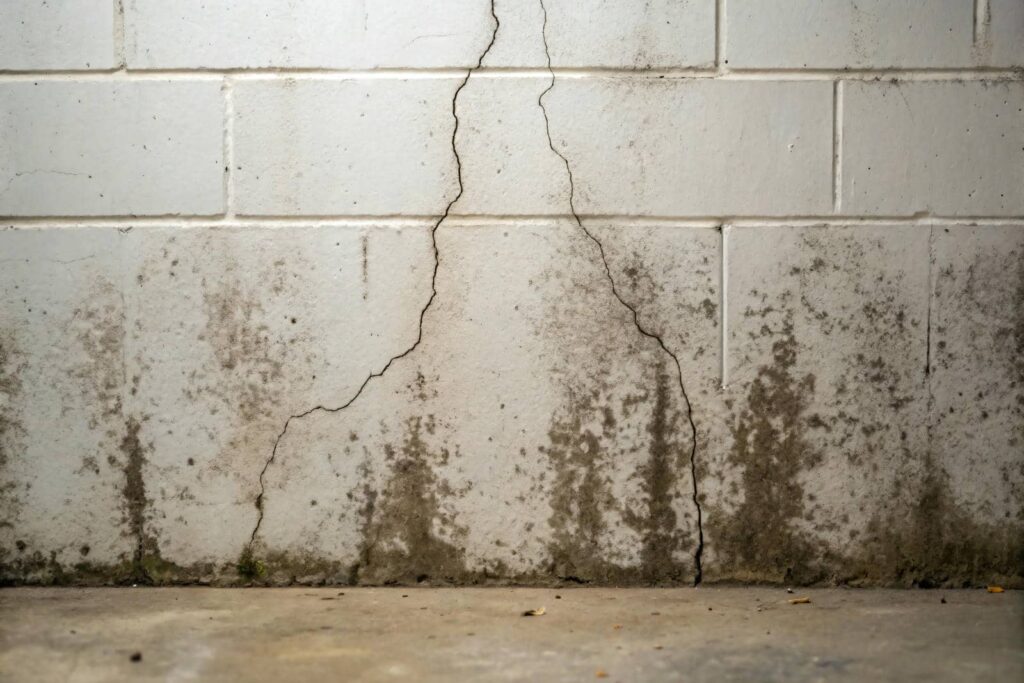
Additionally, don’t overlook your home’s exterior. Check for cracks in walls or foundations that might allow water intrusion.
Quick Response to Water Damage
Acting swiftly after water damage is essential to preventing mold growth in your home. A quick response and immediate action can greatly reduce the risk of mold establishing itself.
Here are three critical steps to follow:
Identify the Source: Locate and eliminate the source of water, whether it’s a leak, flood, or overflow. This prevents further damage and moisture accumulation.
Remove Excess Water: Use pumps, wet vacuums, or towels to remove standing water. The faster this is done, the less chance mold has to develop.
Dry the Area Thoroughly: Use fans, dehumidifiers, and open windows to promote airflow. Confirm that all affected materials, such as carpets and drywall, are completely dry within 24-48 hours.
DIY Solutions for Mold Prevention
Taking swift action after water damage sets the stage for effective mold prevention. You can easily implement DIY solutions that utilize natural remedies and preventative measures to keep your home mold-free. Here’s a quick guide to help you get started:
| Solution | Ingredients | Method |
|---|---|---|
| Vinegar Spray | White vinegar | Spray on affected areas; let sit for 1 hour. |
| Baking Soda Scrub | Baking soda, water | Mix into a paste; scrub moldy areas; rinse. |
| Essential Oil Mix | Tea tree oil, water | Combine and spray in damp spaces. |
| Hydrogen Peroxide Solution | 3% hydrogen peroxide | Spray on mold; let sit for 10 minutes before wiping. |
These solutions help eliminate existing mold and create an environment that discourages future growth. By incorporating these simple methods, you’ll enhance your home’s defenses against mold effectively.
Recap
Preventing mold is as attainable as Hercules overcoming his labors, requiring only vigilance and simple strategies. By understanding the mold lifecycle and addressing common moisture sources, you can fortify your home against this unwelcome invader. Emphasizing proper ventilation and regular maintenance ensures a proactive stance against mold growth. With the right materials and quick responses to water damage, you’ll maintain a healthy living environment, proving that mold prevention is indeed easier than it seems.
Recent Posts
Why Focus on Storm Damage Restoration Strategies?
When storms strike, the aftermath can be overwhelming, affecting both structures and the emotional well-being
10 Key Tips for Storm Damage Restoration
When nature has a way of rearranging your environment, it’s vital to respond with a
Top Tips for Storm Damage Restoration at Home
Many homeowners experience some form of storm damage. When faced with such unexpected challenges, it’s