
Contents
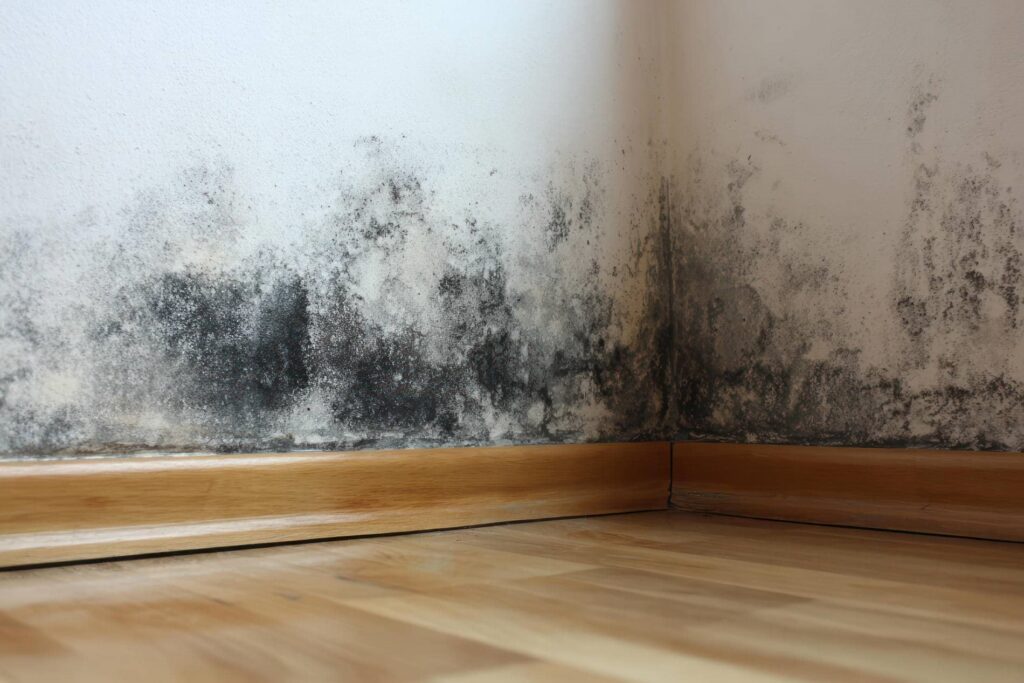
After a flood, dealing with mold requires a structured approach. You’ll need to assess the extent of the mold growth and take necessary safety precautions before starting the removal process. Ensuring proper ventilation and using effective cleaning methods are essential. However, understanding how to prevent future mold growth is equally important. Let’s explore these proven techniques to safeguard your space against this persistent issue.
Key Takeaways
- Assess indoor humidity levels with a hygrometer; aim to keep them below 60% to inhibit mold growth.
- Ensure proper ventilation by opening windows and using fans to promote air circulation and expedite drying.
- Employ a mold-killing solution to scrub affected surfaces, focusing on porous materials where mold can persist.
- Inspect hidden areas for moisture and remove any contaminated materials that cannot be cleaned effectively.
- Wear appropriate protective gear, including gloves and masks, to minimize health risks during mold removal.
Assessing the Extent of Mold Growth
When you suspect mold growth after a flood, it’s important to assess the extent of the problem before taking action. Start by employing mold identification techniques, such as visually inspecting surfaces for discoloration or musty odors.
Remember, mold can thrive in hidden areas like behind walls or under carpets, so be thorough in your examination.
Next, assess humidity levels in your environment. Use a hygrometer to measure indoor humidity; ideally, it should be below 60%.
High humidity creates an ideal breeding ground for mold, so identifying these levels is vital. If humidity exceeds this threshold, consider using dehumidifiers to control it.
Safety Precautions Before Starting Mold Removal
Before you start mold removal, it’s essential to equip yourself with the right personal protective equipment (PPE) to minimize health risks.
Ensure adequate ventilation and airflow in the area to prevent the spread of mold spores during cleanup.
Taking these safety precautions will help you work more effectively and protect your well-being.
Personal Protective Equipment
Mold removal requires careful attention to personal protective equipment (PPE) to secure your safety during the cleanup process.
Start by wearing a high-quality respirator equipped with a HEPA filter to protect your lungs from mold spores. Next, don’t forget to put on goggles to shield your eyes from irritants, and wear gloves made of nitrile or latex to protect your skin.
A full-body suit or coveralls can help prevent mold from contaminating your clothing. Confirm your protective gear fits well and is free of tears or damage.
Ventilation and Airflow
Ensuring proper ventilation and airflow is essential for safely removing mold, as it helps minimize the concentration of airborne spores.
Effective air circulation and humidity control are critical in preventing further mold growth during the cleanup process. Here are some key safety precautions to take into account:
- Open windows and doors to promote fresh air exchange.
- Use fans to enhance air circulation in affected areas.
- Employ dehumidifiers to maintain ideal humidity levels.
- Seal off unaffected areas to prevent spores from spreading.
- Wear protective gear while working in poorly ventilated spaces.
Proper Ventilation Techniques
Effective ventilation is essential in preventing mold growth after a flood, as it facilitates the drying process and reduces humidity levels. You can achieve this through a combination of natural ventilation and mechanical fans.
Start by opening windows and doors to allow fresh air to circulate, promoting natural ventilation. This method works best on dry, breezy days.
Next, deploy mechanical fans to enhance airflow in areas with stagnant air. Position fans strategically to direct air toward wet surfaces, accelerating evaporation. Make sure that fans are running continuously until the affected areas are completely dry.
Monitoring humidity levels with a hygrometer can help you gauge the effectiveness of your ventilation techniques. Aim to maintain humidity below 60% to inhibit mold growth.
Cleaning and Disinfecting Affected Areas
Once you’ve secured proper ventilation, it’s important to clean and disinfect all affected areas to eliminate any remaining contaminants and prevent mold resurgence.
Using the right cleaning supplies is vital in this process. Focus on the following steps:
Use a mold-killing solution: Opt for a commercial product or a mixture of water and vinegar.
Scrub surfaces thoroughly: Pay special attention to porous materials where mold growth might persist.
Rinse and dry: After cleaning, rinse surfaces with clean water and dry them completely.
Apply disinfectant: Use a suitable disinfectant to ensure all pathogens are eradicated.
Check for hidden moisture: Inspect areas behind walls or under carpets where moisture could linger.
Removing Contaminated Materials
To tackle mold effectively, you’ll need to remove any contaminated materials that can harbor spores and promote further growth. Start by identifying items such as carpets, drywall, or insulation that have been exposed to water and can’t be adequately cleaned. These materials are prime candidates for mold development.
Next, make certain you’re wearing appropriate protective gear, including gloves, masks, and goggles, to safeguard against exposure. Use proper disposal methods for these contaminated materials. Seal them in heavy-duty plastic bags to prevent spore release during transport. Dispose of them in accordance with local regulations to ensure safety and environmental compliance.
After removal, thoroughly clean the surrounding area to eliminate any residual spores. By meticulously addressing contaminated materials, you mitigate the immediate mold threat and contribute to a healthier environment for you and those around you.
Using Mold Removal Products Effectively
When tackling mold removal, selecting the right products is essential for effective remediation.
You’ll need to understand the specific application techniques to maximize their efficacy and ensure thorough coverage.
Selecting the Right Products
Selecting the right mold removal products is essential for effectively addressing post-flood contamination, as the effectiveness of your chosen solution can greatly impact the outcome of your remediation efforts.
To ensure you’re making the best choice, consider the following:
Product Effectiveness: Research product efficiency against mold types.
Eco-Friendly Options: Opt for solutions that minimize environmental impact.
Surface Compatibility: Confirm the product is suitable for the materials you’re treating.
Safety: Choose non-toxic options for safe application around children and pets.
Ease of Use: Look for user-friendly products to streamline your efforts.
Application Techniques Explained
Effectively applying mold removal products requires a systematic approach to ensure thorough treatment and long-lasting results.
Start by choosing the right application methods, such as spraying, wiping, or soaking, depending on the surface and extent of contamination. For porous materials, make certain you saturate the area, allowing the product to penetrate deeply.
When using spray methods, maintain a consistent distance to achieve even coverage while avoiding oversaturation. Allow adequate dwell time for the mold treatment to work effectively, as this enhances its efficacy.
Always follow the manufacturer’s instructions for dilution and application frequency.
Finally, wear appropriate protective gear to safeguard yourself during the process, fostering a safe environment for everyone involved in the mold removal effort.
Drying and Dehumidifying the Space
Although flooding can leave your space saturated and vulnerable to mold growth, drying and dehumidifying the area promptly is essential for preventing long-term damage.
Effective moisture control is critical; you need to implement several strategies to ensure proper air circulation and reduce humidity levels.
- Use fans to enhance air circulation and speed up the drying process.
- Deploy dehumidifiers to extract excess moisture from the air.
- Open windows and doors when possible to promote cross-ventilation.
- Remove wet carpets, rugs, and upholstery to facilitate faster drying.
- Monitor humidity levels with a hygrometer to ensure they remain below 60%.
Preventing Future Mold Growth
To prevent future mold growth, it’s vital to maintain a consistently dry environment in your home.
Start by using mold-resistant materials in areas prone to moisture, such as bathrooms and kitchens. These materials can greatly reduce the likelihood of mold forming on surfaces.
Next, implement effective humidity control measures. Keep indoor humidity levels between 30% and 60% by using dehumidifiers and air conditioners, especially in damp areas.
Regularly check and repair any leaks in plumbing or roofing, as even small amounts of water can lead to mold issues.
Proper ventilation is also important; make sure bathrooms and kitchens have exhaust fans to expel moisture outdoors.
Additionally, consider using moisture-absorbing products in closets and other enclosed spaces.
When to Seek Professional Help
Even with preventive measures in place, mold can still pose a significant problem, especially after a flood. Knowing when to seek professional help is vital for maintaining a safe environment.
Here are some signs that indicate it’s time to call in mold remediation services:
- You notice a persistent musty odor.
- Mold covers a large area (more than 10 square feet).
- You experience health issues like respiratory problems or allergies.
- There’s visible mold growth in hard-to-reach areas, such as behind walls or under flooring.
- You’ve attempted DIY methods without success.
In these situations, an expert consultation can provide tailored solutions and ensure the problem is handled effectively.
Conclusion
As you navigate the post-flood landscape, think of mold as an unwelcome vine that can choke the life out of your home. By following the proven techniques outlined, you can prune away this invasive growth and restore energy to your living space. Stay vigilant, like a gardener tending to their plants, monitoring for moisture and maintaining a healthy environment. If the vine becomes too tangled, don’t hesitate to call in the experts to help reclaim your sanctuary.
Recent Posts
Essential Tips for Sewage Cleanup and Restoration
When faced with the unfortunate situation of a sewage incident, it’s vital to approach the
10 Effective Mold Removal Techniques After Flooding
Many believe that simply drying out a space after flooding is enough to prevent mold
How to Effectively Remove Mold After Flooding
Mold can invade your space like an uninvited guest, spreading rapidly after flooding. To remove