
Contents
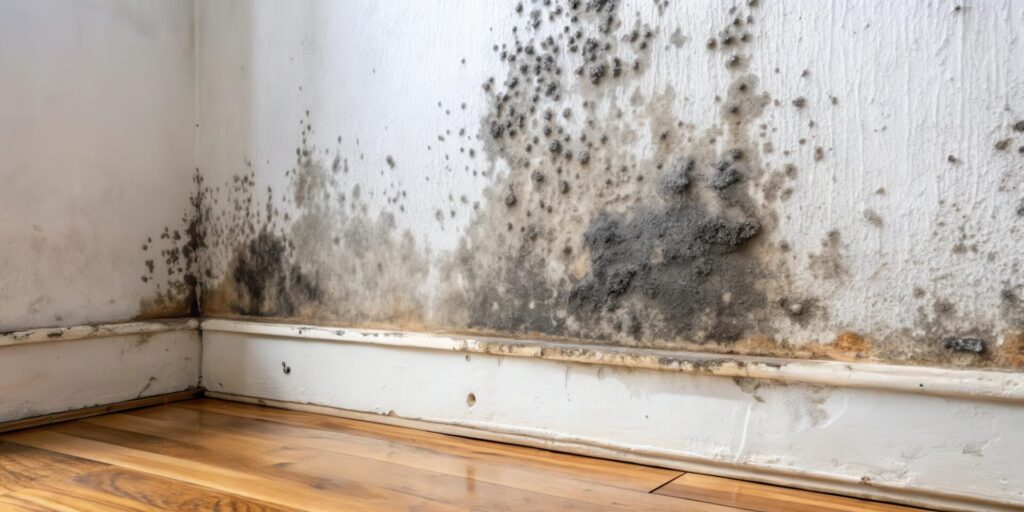
Imagine discovering mold creeping along the walls of your basement after a heavy rain. It’s a common issue that can lead to serious health problems and costly repairs. To avoid this, you need a solid plan. From controlling humidity levels to ensuring proper ventilation, several effective strategies can help keep your basement mold-free. Let’s explore the top 10 ways to safeguard your space against this unwelcome intruder.
Key Takeaways
- Control humidity levels by maintaining them between 30% and 60% using a hygrometer and dehumidifier.
- Ensure proper ventilation by installing exhaust fans and opening windows on dry days.
- Seal cracks and gaps in foundation walls, windows, and doors to prevent moisture entry.
- Maintain proper drainage by clearing gutters and grading soil away from the foundation.
- Use mold-resistant products like specialized paints and materials to protect against moisture.
Control Humidity Levels
Controlling humidity levels is essential to prevent basement mold, especially since damp environments encourage mold growth.
To effectively manage moisture, start by investing in a hygrometer to monitor humidity. Aim to keep levels between 30% and 60%. If humidity is consistently high, consider using a dehumidifier. This device actively removes excess moisture, which is vital for humidity control.
You should also inspect for leaks in pipes or walls, as these can greatly contribute to moisture issues. Sealing cracks and ensuring proper drainage around your home can further enhance moisture management.
Additionally, keep your basement as clutter-free as possible; this allows air to circulate and reduces damp spots. Regularly check for signs of mold and address any issues promptly.
Ensure Proper Ventilation
To prevent mold in your basement, ensuring proper ventilation is a priority.
Installing exhaust fans, regularly opening windows, and using dehumidifiers effectively can considerably improve air circulation and reduce moisture.
Install Exhaust Fans
While mold thrives in damp, stagnant environments, installing exhaust fans can greatly improve ventilation in your basement.
By enhancing air circulation, these fans help reduce humidity levels, making it harder for mold to establish itself.
Start your fan installation by choosing the right size and type for your space. Ideally, place exhaust fans near areas prone to moisture, like laundry rooms or storage spaces.
Make sure they’re connected to an exterior vent to effectively push out humid air. Regularly check and clean the fans to maintain peak performance.
With proper air circulation, you’ll create an inhospitable environment for mold, keeping your basement dry and healthy.
Don’t underestimate the power of effective ventilation in mold prevention!
Open Windows Regularly
Opening windows regularly can greatly enhance air quality and reduce humidity levels in your basement. Fresh air exchange is crucial for preventing mold growth, as it helps to lower moisture levels. Aim to open your windows on dry, breezy days for maximum effect.
This simple practice lets in fresh air and helps to eliminate stale odors.
You might also consider adding indoor plants that thrive in low light, as they can improve air quality and absorb excess humidity. However, be sure to monitor the moisture levels around plants to avoid overwatering.
Implementing this easy step will create a healthier environment in your basement and considerably reduce the risk of mold development.
Use Dehumidifiers Effectively
After ensuring adequate airflow by opening windows, using dehumidifiers effectively can further combat humidity in your basement.
Here are some practical maintenance tips to maximize their efficiency:
Optimal dehumidifier placement: Position it in the center of the room for better air circulation.
Drainage options: Use a hose for continuous drainage, avoiding the hassle of emptying the tank.
Regular filter checks: Clean or replace filters every few months to maintain airflow.
Monitor humidity levels: Aim for 30-60% humidity; adjust settings accordingly.
Seasonal adjustments: Increase usage during damp months to keep moisture at bay.
Implementing these tips will help you create a healthier, mold-free environment in your basement.
Use Dehumidifiers
Using dehumidifiers can be a game-changer in preventing basement mold, especially in damp climates. By maintaining the right humidity levels, you can create an environment where mold struggles to thrive. Make certain to adjust your dehumidifier to its ideal settings, typically between 30% and 60% humidity. Regular dehumidifier maintenance, including cleaning the filter and checking the water reservoir, ensures it operates efficiently and effectively.
Here’s a quick comparison of dehumidifier options:
| Type | Pros |
|---|---|
| Portable | Easy to move, affordable |
| Whole-house | Covers large areas, more effective |
| Desiccant | Silent operation, energy-efficient |
Choosing the right type and committing to maintenance will help you prevent mold and improve your home’s air quality. Don’t underestimate the power of a reliable dehumidifier in your mold-fighting arsenal!
Seal Cracks and Gaps
Since even the smallest cracks and gaps in your basement can allow moisture to seep in, sealing them is crucial for preventing mold growth. By focusing on crack sealing and gap filling, you can create a barrier that keeps your space dry.
Here’s what you should address:
- Inspect foundation walls for hairline cracks
- Seal gaps around windows and doors
- Fill openings where pipes enter the walls
- Check for cracks in the floor and baseboards
- Use high-quality sealants for durability
Taking these steps protects your basement from moisture and enhances energy efficiency.
Make it a priority to regularly inspect and maintain these areas. It’s a simple yet effective way to keep mold at bay and ensure a healthy environment in your home.
Don’t wait until it’s too late—act now to seal those cracks and gaps!
Insulate Pipes and Walls
Sealing cracks and gaps is just the first step in protecting your basement from moisture and mold.
Next, you need to focus on insulating your pipes and walls. Pipe insulation is essential because it prevents condensation from forming on cold water pipes, which can drip and create a damp environment. Use foam or fiberglass sleeves to cover exposed pipes, ensuring they stay dry and mold-free.
In addition, wall insulation plays an important role in maintaining an ideal temperature within your basement. Insulating your walls helps to keep the space warmer, reducing the likelihood of moisture buildup.
Opt for materials like foam board or spray foam insulation for effective coverage.
Maintain Proper Drainage
To prevent mold in your basement, maintaining proper drainage is essential.
Start by clearing your gutters regularly to ensure water flows away from your home.
You might also consider installing French drains and grading the soil away from your foundation for added protection.
Clear Gutters Regularly
Regularly clearing your gutters is essential for maintaining proper drainage around your home and preventing basement mold. Clogged gutters can lead to water overflow, which may seep into your foundation.
To ensure effective gutter maintenance and rainwater management, follow these practical steps:
- Inspect gutters for debris like leaves and twigs.
- Remove blockages using a scoop or garden trowel.
- Flush gutters with water to confirm proper flow.
- Check downspouts for obstructions and clear them as needed.
- Clean gutters at least twice a year, or more frequently in fall.
Install French Drains
After confirming your gutters are clear, it’s time to focus on managing water drainage around your home. Installing a French drain can greatly help prevent basement mold by redirecting water away from your foundation. Here’s a simple overview of the process and benefits:
| Step | Description | Benefits |
|---|---|---|
| Assess the area | Identify problem zones | Targeted solutions |
| Dig a trench | Create a sloped trench | Efficient drainage |
| Install piping | Place a perforated pipe in the trench | Reduces water pooling |
| Cover with gravel | Place a perforated pipe in trench | Prevents clogging |
| Final grading | Fill the trench for filtration | Protects foundation |
With proper French drain installation, you’ll enjoy a dry basement and peace of mind knowing you’re combating moisture effectively.
Grade Soil Away
Grading the soil away from your foundation is essential for maintaining proper drainage and preventing basement mold. Effective landscaping techniques can help you achieve this.
Start by ensuring that the soil composition slopes downward at least six inches over the first ten feet from your home. Here are some practical steps to contemplate:
- Assess the current slope of your yard
- Add or remove soil as needed to create a proper grade
- Use compacted soil to prevent erosion
- Install landscaping elements like swales or berms for added protection
- Regularly check for any settling or low spots that may develop
Regularly Inspect and Clean Gutters
Maintaining clean gutters is essential for preventing basement mold. Clogged gutters can lead to water overflow, which can seep into your foundation and create the perfect environment for mold growth.
To keep your gutters in top shape, make gutter maintenance a priority. Schedule seasonal inspections to remove leaves, debris, and any blockages that can cause water to pool.
During these inspections, check for signs of wear or damage, such as holes or sagging sections, and address any issues promptly.
A simple cleaning can often be done with a ladder, gloves, and a scoop, but for hard-to-reach areas, consider hiring a professional.
Use Mold-Resistant Products
When you’re finishing your basement, consider using mold-resistant products to keep issues at bay.
Opt for mold-resistant paints and specialized building materials that can help protect your space from moisture and growth.
Making these choices now can save you time and money in the long run.
Mold-Resistant Paint Options
Choosing the right mold-resistant paint can greatly reduce the risk of mold growth in your basement.
By selecting high-quality mold-resistant coatings, you’ll enhance paint durability and create a healthier environment.
Here are some paint options to take into account:
- Acrylic latex paints: Flexible and resistant to moisture.
- Epoxy-based paints: Ideal for concrete surfaces, providing a strong barrier.
- Mold-resistant primers: Prepare surfaces and boost paint adhesion.
- Anti-microbial paint additives: Fight mold and mildew at a microscopic level.
- Waterproofing sealants: Offer extra protection against moisture intrusion.
Specialized Building Materials
Beyond selecting mold-resistant paint, opting for specialized building materials can greatly enhance your basement’s mold prevention efforts.
Start by installing mold-resistant insulation, which helps to prevent moisture buildup that fosters mold growth. This type of insulation is specifically designed to resist mold and mildew, keeping your basement dry and healthy.
Additionally, consider investing in waterproof roofing to protect your basement from external water intrusion. A quality roofing system can prevent leaks and moisture problems before they start.
By using these materials, you create a solid barrier against mold, ensuring a safer environment.
Monitor for Water Leaks
To effectively prevent mold growth in your basement, it’s essential to regularly monitor for water leaks.
Early leak detection can save you from extensive damage and costly repairs. Make it a habit to check for signs of moisture and address issues promptly with effective repair techniques.
Here are some key areas to inspect:
- Pipes and plumbing fixtures: Look for drips or condensation.
- Walls and ceilings: Check for discoloration or bubbling paint.
- Windows and doors: Confirm seals are intact and watertight.
- Foundation: Examine for cracks or gaps where water can seep in.
- Basement floor: Watch for damp patches or puddles.
Keep the Basement Clean and Clutter-Free
After ensuring your basement is free from leaks, maintaining a clean and clutter-free space becomes essential in preventing mold growth.
Start by implementing effective basement organization. Regularly declutter your basement, removing any items you no longer need. This creates space and reduces moisture-retaining materials that can foster mold.
Invest in smart storage solutions like plastic bins with tight-fitting lids to keep your belongings dry. Elevate items off the floor using shelving units to promote airflow and reduce dampness.
Make it a habit to clean the basement regularly, sweeping away dust and debris that can trap moisture. Additionally, avoid storing items directly against the walls, as this can create hidden pockets of humidity.
Summary
By taking these proactive steps, you can create a fortress against basement mold. Just like a gardener tends to their plants to ensure they flourish, you too can cultivate a healthy, dry environment. Monitor humidity, improve ventilation, and seal any cracks to keep moisture at bay. With consistent care, you’ll protect your basement and enhance the overall health of your home. Stay vigilant, and your efforts will pay off in a mold-free sanctuary.
Recent Posts
Top Tips for Storm Damage Restoration at Home
Many homeowners experience some form of storm damage. When faced with such unexpected challenges, it’s
What Are Top Tips for Sewage Cleanup?
Is it really possible to effectively manage a sewage cleanup without proper preparation? Many underestimate
Effective Strategies for Sewage Cleanup and Restoration
When dealing with sewage cleanup and restoration, it’s imperative to approach the situation methodically. You’ll