
Contents
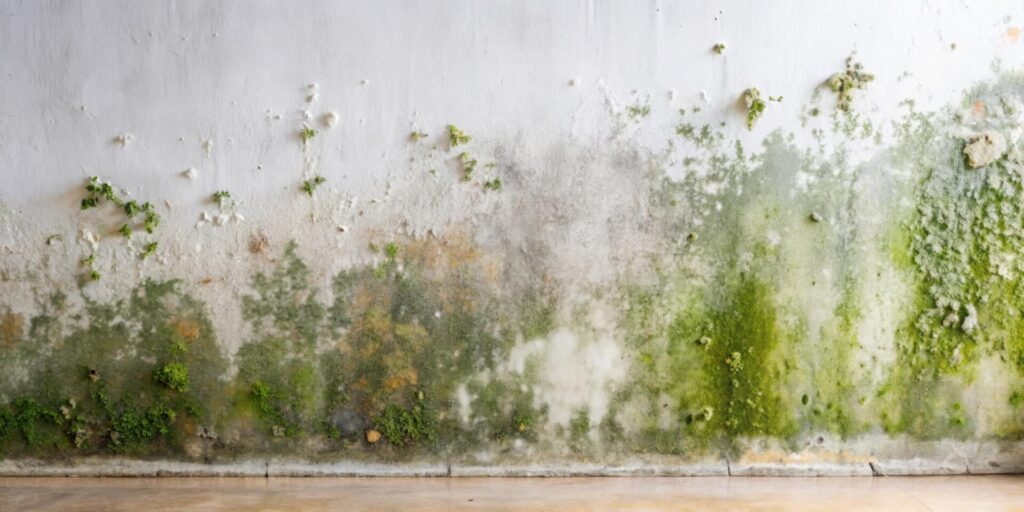
A basement can feel like a dark, damp cave if you’re not careful, but you can transform it into a mold-free zone. By focusing on proper ventilation, humidity control, and regular inspections, you can keep mold at bay. It’s crucial to understand how these factors work together to protect your space. So, what’s the first step you should take to ensure your basement remains healthy and dry?
Key Takeaways
- Maintain humidity levels between 30-60% using dehumidifiers and hygrometers to prevent mold growth.
- Implement proper ventilation with unobstructed windows and exhaust fans to circulate air effectively.
- Regularly inspect for water leaks in pipes, appliances, and walls to identify moisture sources promptly.
- Clean and maintain gutters to prevent overflow and ensure water is directed away from the foundation.
- Monitor and regulate indoor temperatures to avoid extreme fluctuations that encourage mold development.
Maintain Proper Ventilation
To prevent mold from taking root in your basement, maintaining proper ventilation is crucial. Start by implementing effective airflow techniques.
Make certain windows and vents are unobstructed to allow fresh air to circulate. Consider using exhaust fans to expel stale air, especially during humid days.
Installing a ventilation system can greatly enhance air movement. A balanced system, which includes both supply and exhaust fans, can help maintain ideal airflow throughout the space.
If your basement lacks windows, an energy recovery ventilator (ERV) can provide fresh air while minimizing energy loss.
Regularly inspect and clean your ventilation systems to ensure they function efficiently. Keep ducts free from dust and debris, and replace filters as needed.
Control Humidity Levels
Proper ventilation lays the groundwork for controlling humidity levels in your basement.
Maintaining ideal humidity is essential in preventing mold growth. To effectively manage this, consider implementing dehumidifier usage and keeping an eye on humidity monitoring.
- Invest in a quality dehumidifier to reduce moisture levels, ideally keeping them between 30-60%.
- Use hygrometers to monitor humidity, allowing you to take immediate action if levels rise.
- Make certain your basement has adequate airflow, using exhaust fans or open windows when weather permits.
Regularly Inspect for Water Leaks
Regularly inspecting for water leaks is essential in maintaining a mold-free basement. Start by checking all visible pipes, joints, and fittings for any signs of moisture or corrosion. Pay close attention to areas around appliances like water heaters and washing machines, as these are common leak hotspots.
Implement periodic leak detection practices—consider using moisture meters if you suspect hidden leaks behind walls or under floors. Schedule routine plumbing maintenance to ensure your system’s integrity; professionals can identify potential issues before they escalate.
Additionally, inspect your foundation and exterior walls for cracks that could allow water intrusion. Keep gutters clean and downspouts directed away from the foundation to prevent excess moisture accumulation.
Review
Just like a vigilant gardener tends to their plants, ensuring they thrive without the chokehold of weeds, you too must nurture your basement. By maintaining proper ventilation, controlling humidity, and inspecting for leaks, you create a flourishing environment free from mold’s grasp. Remember, a little prevention goes a long way—just as a single drop of water can ripple through a pond, your proactive steps will keep your basement healthy and mold-free for years.
Recent Posts
10 Key Tips for Storm Damage Restoration
When nature has a way of rearranging your environment, it’s vital to respond with a
Top Tips for Storm Damage Restoration at Home
Many homeowners experience some form of storm damage. When faced with such unexpected challenges, it’s
What Are Top Tips for Sewage Cleanup?
Is it really possible to effectively manage a sewage cleanup without proper preparation? Many underestimate