
Contents
Storms can wreak havoc on properties, yet effective damage restoration strategies can mitigate the damage. Evaluating the extent of the destruction is essential, but so is prioritizing safety in the aftermath. You’ll need to understand water removal techniques, repair structural issues, and implement preventive measures. Each step plays a crucial role in recovery, but the approach you take can make all the difference. What strategies will you choose to ensure your property stands resilient against future storms?
Key Takeaways
- Conduct a thorough property inspection to document visible and hidden damages for insurance claims and restoration planning.
- Prioritize safety by assessing hazards, using protective equipment, and developing an emergency preparedness plan.
- Implement effective water removal techniques with pumps and dehumidifiers, ensuring thorough moisture control to prevent future issues.
- Repair structural damages by assessing integrity, selecting appropriate materials, and engaging professionals for compliance with building codes.
- Prevent future storm damage through regular inspections, proper maintenance, and strategic landscaping to enhance property resilience.
Assessing the Extent of Damage
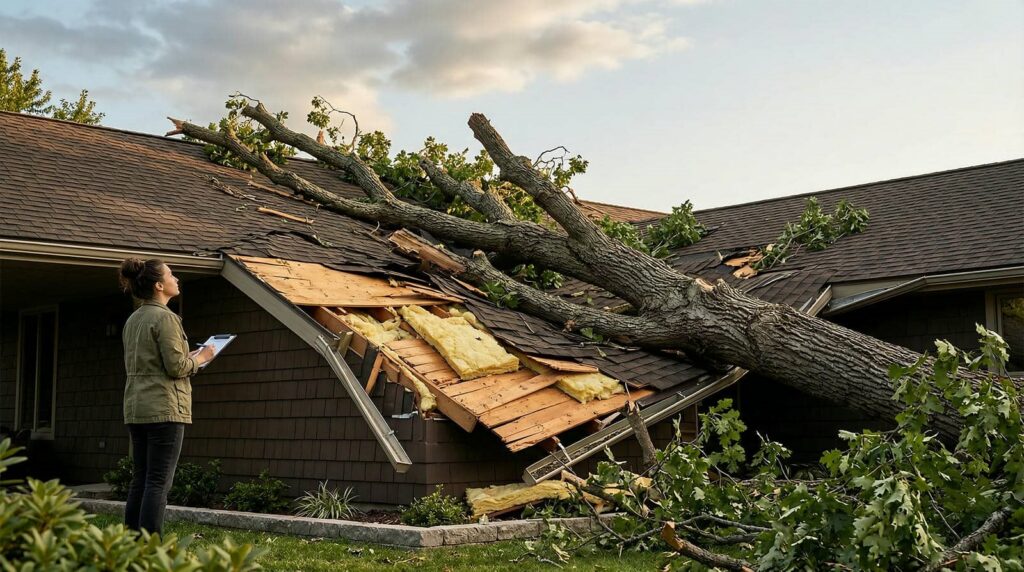
When evaluating the extent of storm damage, it’s vital to start with a thorough inspection of your property.
Begin by documenting any visible damage, such as missing shingles, broken windows, or flooding in basements. This initial damage evaluation is significant for supporting your insurance claims later on.
As you assess each area, take detailed notes and photographs, which can serve as valuable evidence when communicating with your insurance company.
Don’t overlook hidden damages, like water stains or structural weaknesses, as these could escalate into significant issues if left unchecked.
Engaging with your community can also help; you might find that neighbors share similar experiences and tips.
By collaborating and sharing information, you strengthen your understanding of the damage and the restoration process.
Ultimately, being proactive now will make the claims process smoother and foster a sense of belonging as you navigate recovery together.
Prioritizing Safety and Health
While evaluating storm damage, prioritizing safety and health is essential to ensure a safe restoration process. Start by examining potential hazards, like unstable structures or downed power lines. Before entering the premises, make sure you’ve equipped yourself with personal protective equipment—gloves, masks, and sturdy footwear can make a significant difference in your safety.
Emergency preparedness is key; have a plan in place that outlines evacuation routes and emergency contacts.
During the cleanup, don’t overlook health precautions. Mold can develop rapidly in damp conditions, so monitor for signs of growth and address moisture issues immediately.
Moreover, keep an eye on air quality, as dust and debris can pose health risks. By taking these proactive steps, you protect yourself and foster a sense of community safety.
Implementing Water Removal Techniques
After ensuring safety, the next step in the storm damage restoration process involves implementing effective water removal techniques. Quick and efficient water extraction is vital to prevent further damage and mold growth.
Here’s what you need to focus on:
Assess the situation: Identify the source of water and the extent of flooding to prioritize your actions.
Use specialized equipment: Invest in high-capacity pumps and dehumidifiers for effective moisture control. These tools help you remove standing water and reduce humidity levels.
Monitor the drying process: Keep track of moisture levels with hygrometers to confirm all areas are adequately dried, preventing hidden pockets of water.
Repairing Structural Damage
One of the most critical aspects of storm damage restoration is repairing structural damage, as even minor issues can escalate into significant problems if left unaddressed.
You need to assess the property thoroughly, identifying areas where the structural integrity has been compromised. Look for cracks in walls, sagging roofs, or weakened foundations.
Once you pinpoint the damage, select appropriate repair materials that match your home’s original construction.
Quality materials ensure a strong repair and maintain aesthetic continuity.
Engage professionals when necessary; their expertise can provide peace of mind and ensure compliance with local building codes.
Preventing Future Issues
To effectively prevent future issues after storm damage restoration, it’s vital to implement proactive measures that enhance your property’s resilience.
By focusing on stormproofing homes, you can safeguard against potential weather-related damage.
Here are some essential maintenance tips to take into account:
Regular Roof Inspections: Check for loose shingles and leaks to prevent water damage.
Gutter Maintenance: Clean and repair gutters to ensure proper drainage, reducing flood risks.
Landscaping Solutions: Use native plants and strategically place trees to minimize wind damage.
Summary
In storm damage restoration, taking proactive steps can save you time and money down the line. By thoroughly evaluating damage and prioritizing safety, you create a solid foundation for recovery. Implementing effective water removal techniques and repairing structural issues ensures your home remains stable. Coincidentally, by focusing on these strategies, you’re not just restoring your property; you’re also investing in its future resilience. Regular maintenance and storm-proofing can keep your space safe and sound for years.
Recent Posts
What Repairs Stop Mold After Water Damage
To Stop Mold After Water Damage, you need to fix the moisture source first, then
Why Does Leak Water Damage Cause Mold?
Like a slow leak in a ship’s hull, water damage in your home keeps feeding
Ceiling Leak Water Damage Mold Repair Guide
You notice a ceiling stain the same day a drip starts, and that coincidence matters