
Contents
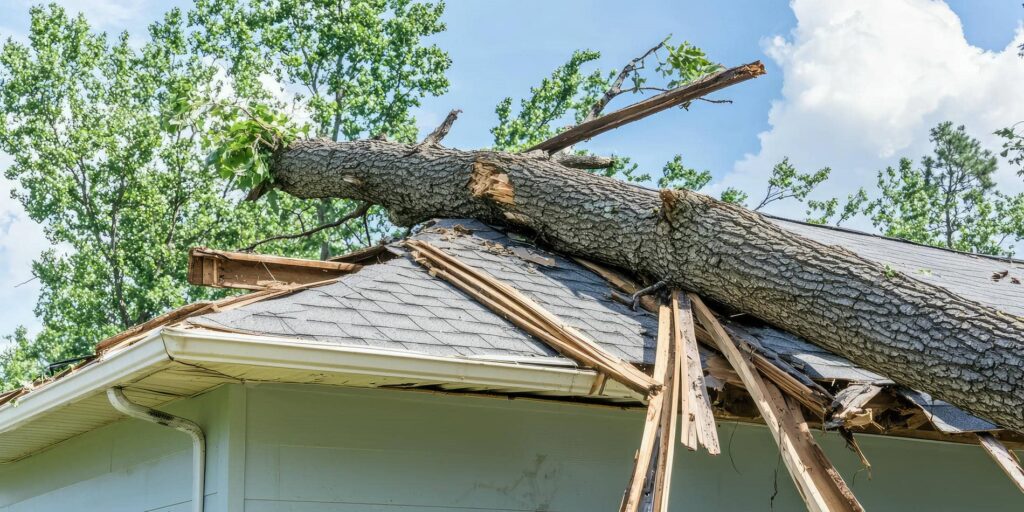
Many homeowners experience some form of storm damage. When faced with such unexpected challenges, it’s vital to act quickly and safely. Evaluating the damage and knowing what steps to take can make a significant difference in the restoration process. From documenting for insurance claims to preventing mold growth, there’s a lot to take into account. Let’s explore essential tips that can help you navigate through this difficult time effectively.
Key Takeaways
- Inspect your property for visible damage and document it with photos for insurance claims.
- Remove standing water quickly using pumps to prevent mold growth.
- Clean and disinfect affected areas thoroughly to ensure a safe environment.
- File insurance claims promptly and keep records of all related expenses.
- Consult professionals for significant repairs and mold remediation if necessary.
Assessing the Damage: Safety First
When evaluating storm damage, it’s essential to prioritize your safety above all else.
Start by following essential safety protocols. Before stepping outside, check for downed power lines or gas leaks. If you suspect any hazards, don’t hesitate to contact emergency services.
Wear sturdy footwear and protective clothing to shield yourself from sharp debris. As you assess your property, keep a safe distance from damaged structures that could collapse.
If it’s safe to do so, look for signs of water intrusion, such as leaks or mold, which can pose health risks.
Documenting visible damage is important, but your well-being comes first.
Documenting the Incident for Insurance Claims
After a storm, documenting the damage is essential for your insurance claims.
Start by capturing clear photos of all affected areas, and make certain to keep detailed records of any conversations and estimates.
This thorough documentation will help streamline the claims process and ensure you receive the support you need.
Capture Visual Evidence
It’s essential to capture visual evidence of storm damage as soon as it’s safe to do so. Start by taking clear, detailed photos of affected areas, both inside and outside your home.
This documentation won’t only support your insurance claim but also help you keep track of the damage over time. Organize your photos methodically; labeling them by date and location can aid in photo organization later.
Don’t forget to include any damaged personal items, as they also contribute to the total loss. By prioritizing evidence preservation, you’re making the claims process smoother and giving yourself a better chance of receiving the assistance you need.
You’re not alone in this; support is out there, and your diligence will pay off.
Keep Detailed Records
Capturing visual evidence is just the beginning; keeping detailed records of the incident is equally important.
Start by maintaining damage logs that document every aspect of the storm’s impact on your home. Note the date, time, and specifics of the damage you’ve encountered. This record-keeping won’t only help you track repairs but also serve as essential evidence for your insurance claims.
Don’t forget to include any communication with contractors or insurance representatives. By staying organized and thorough, you’re not just protecting your property; you’re also ensuring a smoother recovery process.
Water Extraction Techniques and Equipment
After a storm, water extraction is vital to prevent further damage.
You’ll want to use effective pumping methods and essential drying equipment to ensure your space is safe and dry.
Let’s explore the best techniques and tools to tackle this challenge efficiently.
Effective Pumping Methods
When dealing with storm damage, effective water extraction is essential to prevent further issues like mold growth and structural damage.
Using the right methods can make a significant difference. Here are some effective pumping methods you can consider:
Sump Pumps: These are vital for removing water from basements and crawl spaces, especially during heavy rains.
Submersible Pumps: Ideal for large volumes of water, they can handle deep flooding efficiently.
Vacuum Pumps: Great for extracting water from carpets and floors, ensuring no moisture remains.
Drainage Systems: Installing proper drainage can help divert water away from your property in the future.
Taking these steps can help restore your home and provide peace of mind during challenging times.
Essential Drying Equipment
Choosing the right drying equipment is vital for effectively restoring your home after storm damage.
You’ll want to invest in high-quality dehumidifiers and air movers to achieve ideal moisture control. Dehumidifiers help remove excess humidity from the air, preventing mold growth and structural damage. Air movers enhance air circulation, speeding up the drying process in affected areas.
Additionally, consider using infrared cameras to identify hidden moisture pockets, ensuring you don’t miss any problem areas.
Drying and Dehumidification Strategies
As the aftermath of a storm leaves your home damp and vulnerable, implementing effective drying and dehumidification strategies becomes essential to prevent further damage and mold growth.
Here are four practical steps you can take to enhance air circulation and achieve moisture control:
Open Windows and Doors: Let fresh air flow in to help lower humidity levels inside your home.
Use Fans: Position fans strategically to boost air circulation, directing airflow toward damp areas.
Deploy Dehumidifiers: Set up portable dehumidifiers in affected rooms to quickly extract moisture from the air.
Remove Wet Items: Take out soaked carpets, furniture, and belongings to facilitate drying and minimize dampness.
Mold Prevention and Remediation Steps
Since mold can start growing within 24 to 48 hours after water exposure, taking swift action is vital for prevention and remediation.
First, assess the affected areas and remove any standing water. Use fans and dehumidifiers to ensure thorough drying, as moisture control is essential in preventing mold spores from settling.
Next, clean surfaces with a mixture of water and detergent. For stubborn mold, consider a solution of vinegar or specialized mold removers, but always follow safety guidelines.
Seal any leaks and ensure proper ventilation in areas prone to humidity, such as basements and bathrooms. Regularly inspect these spaces for signs of moisture buildup.
If you discover significant mold growth, don’t hesitate to contact a professional. Acting quickly protects your home and fosters a healthier environment for you and your loved ones.
Together, you can keep your space safe and welcoming.
Repairing Structural Damage and Restoring Functionality
When storm damage compromises your home’s structure, it’s crucial to act quickly to restore safety and functionality.
Prioritizing structural integrity protects your home and provides peace of mind for you and your family.
Here’s how to tackle repairs effectively:
Assess Damage: Inspect your home for visible cracks, sagging ceilings, or damaged foundations.
Consult Professionals: Reach out to structural engineers or contractors who specialize in storm damage to get expert opinions.
Secure the Area: Use temporary supports or bracing to stabilize areas at risk of collapse until permanent repairs can be made.
Plan for Restoration: Develop a thorough plan for functionality restoration, prioritizing repairs that will allow you to return to normal life as soon as possible.
Taking these steps ensures your home remains a safe haven for you and your loved ones during recovery.
Preventive Measures for Future Storms
After addressing structural damage, it’s important to contemplate how to safeguard your home from future storms. Start with simple storm-proofing tips like reinforcing doors and windows with storm shutters or plywood. This can greatly reduce the risk of breakage and water intrusion.
Regular home maintenance is key. Keep gutters clean and ensure downspouts direct water away from your foundation. Trim trees that are close to your home to prevent branches from causing damage during high winds.
Consider investing in a sump pump if you’re in a flood-prone area, and evaluate your roof for any weak spots that could lead to leaks.
Finally, create an emergency kit and establish a family communication plan, so everyone knows what to do when a storm approaches.
Final Thoughts
As you navigate the aftermath of storm damage, envision your home transforming back into a safe haven. By prioritizing safety, documenting every detail, and employing effective water removal and drying techniques, you can reclaim your space. Remember, addressing mold risks and repairing structural issues is essential for lasting restoration. With proactive measures, you’re not just restoring your home—you’re fortifying it against future storms, ensuring it stands strong like a lighthouse guiding you through the tempest.
Recent Posts
10 Key Tips for Storm Damage Restoration
When nature has a way of rearranging your environment, it’s vital to respond with a
What Are Top Tips for Sewage Cleanup?
Is it really possible to effectively manage a sewage cleanup without proper preparation? Many underestimate
Effective Strategies for Sewage Cleanup and Restoration
When dealing with sewage cleanup and restoration, it’s imperative to approach the situation methodically. You’ll