
Contents
When dealing with mold, it’s essential to follow a systematic approach to remediation. Start by evaluating the extent of the mold growth and ensuring your safety with appropriate protective gear. Next, you’ll need to contain the affected area to prevent spread. Each step is important for effective mold removal and long-term prevention. Understanding these processes can greatly impact the outcome of your remediation efforts. What comes next is critical for success.
Key Takeaways
- Assess mold growth through visual inspections, moisture readings, and documentation of findings for remediation guidance.
- Ensure safety by wearing protective gear, including gloves, goggles, and respirators.
- Contain the affected area using polyethylene sheeting, airlocks, and negative pressure to minimize air contamination.
- Remove moisture sources, clean surfaces with appropriate agents, and apply mold-resistant products to prevent recurrence.
- Repair structural damage, implement drying techniques, and maintain low humidity levels to deter future mold growth.
Assessing the Extent of Mold Growth
When tackling mold remediation, the first step is evaluating the extent of mold growth in your environment. You’ll want to apply effective mold identification techniques, such as visual inspections and moisture readings, to pinpoint affected areas.
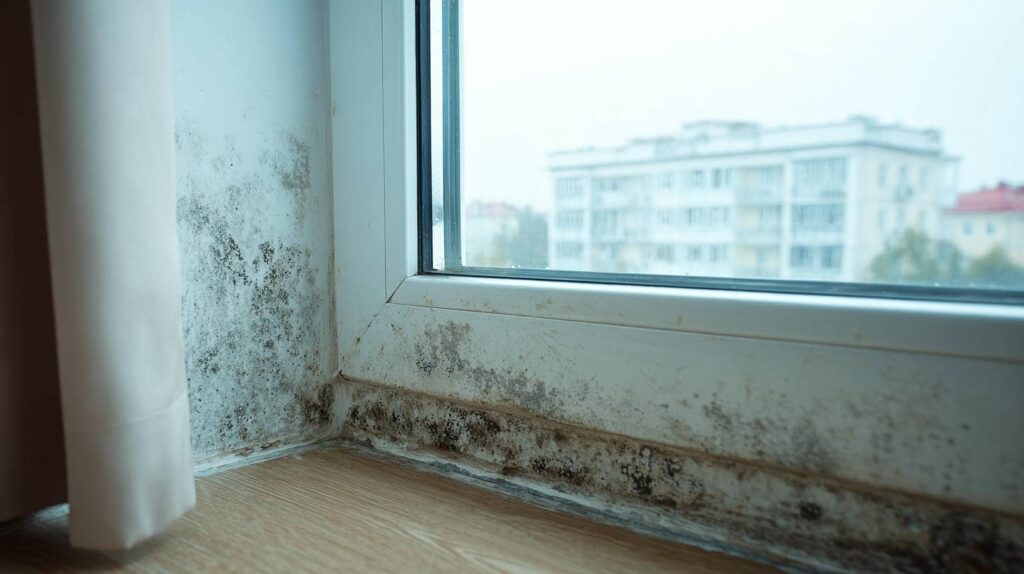
Look for discoloration on surfaces, musty odors, and any signs of water damage, as these are primary mold growth factors. Consider factors like humidity levels and ventilation, which can contribute to mold proliferation.
Using tools like moisture meters can help you assess hidden dampness, ensuring you don’t overlook any problem spots. Additionally, documenting your findings is essential for a thorough understanding of the situation.
This will guide your remediation efforts and provide a reference for future assessments. By taking these initial steps seriously, you create a solid foundation for effective mold remediation and foster a safer environment for everyone involved.
Ensuring Safety and Protective Gear
When you’re handling mold remediation, safety should be your top priority.
You’ll need essential protective equipment, including respirators and masks, to shield yourself from harmful spores.
Additionally, ensure you wear appropriate body coverage to minimize skin exposure during the process.
Essential Protective Equipment
To effectively tackle mold remediation, you must prioritize safety by wearing essential protective equipment. This gear will help shield you from harmful spores and irritants, ensuring a safer work environment.
Here’s a list of vital items you should equip yourself with:
- Protective gloves: These will safeguard your hands from mold and chemicals.
- Safety goggles: Protect your eyes from irritants and potential splashes.
- Long-sleeved clothing: Prevent skin contact with mold and debris.
- Boots with a waterproof design: Keep your feet protected from contaminated areas.
Respirators and Masks
While tackling mold remediation, using appropriate respirators and masks is essential for protecting your respiratory health.
Selecting the right respirator types can make a significant difference in your safety. N95 respirators filter out at least 95% of airborne particles, while half-mask and full-face respirators offer added protection against mold spores and chemicals.
Remember, mask effectiveness hinges on a proper fit; verify your mask seals tightly around your face to minimize exposure.
For extensive mold infestations, consider using powered air-purifying respirators (PAPRs) to enhance protection.
Always prioritize your well-being by choosing the right gear, as this safeguards your health and fosters a sense of community among those engaged in mold remediation efforts.
Your safety matters to everyone involved.
Body Coverage Requirements
Ensuring adequate body coverage is essential in mold remediation, as it minimizes skin exposure to harmful spores and toxins.
You’ll want to choose appropriate body coverage materials to safeguard yourself effectively. Here’s what you should consider:
-
Tyvek suits: These provide a barrier against mold spores.
-
Gloves: Use nitrile or latex gloves to protect your hands.
-
Boot covers: Opt for disposable covers to prevent tracking spores.
-
Head and face protection: Wear hoods or caps to keep spores away from your hair and neck.
Containing the Affected Area
Before you start the mold remediation process, it’s crucial to contain the affected area to prevent spores from spreading to unaffected spaces. Effective containment methods include using sealed barriers, which create a controlled environment for remediation efforts. Here’s a quick reference table for your containment strategy:
| Containment Method | Description |
|---|---|
| Plastic Sheeting | Use 6-mil polyethylene sheeting to seal off areas. |
| Airlocks | Install airlocks at entry points to minimize airflow. |
| Negative Pressure | Maintain negative pressure within the affected area. |
| Exhaust Fans | Use fans to direct air outside, reducing indoor spore levels. |
| Duct Tape | Secure sheeting and barriers with duct tape for tight seals. |
Implementing these methods ensures you maintain a safe environment while effectively addressing mold issues. Your diligence in containing the area contributes greatly to the success of the remediation process.
Removing Moisture Sources
To effectively combat mold growth, you must remove all sources of moisture from the affected area. This is essential for successful moisture control and humidity regulation.
Start by identifying and addressing the root causes of excess moisture. Here are some key steps to take:
- Fix leaks in pipes, roofs, or walls.
- Ensure proper ventilation in high-humidity areas, such as bathrooms and kitchens.
- Use dehumidifiers to lower indoor humidity levels.
- Regularly check and clean gutters to prevent water accumulation.
Cleaning and Disinfecting Surfaces
Once you’ve addressed moisture issues, cleaning and disinfecting surfaces is essential for eliminating mold spores and preventing future growth.
Start by using a mixture of water and a suitable cleaning agent to scrub affected areas thoroughly. Pay special attention to porous surfaces, as they can trap spores.
After cleaning, apply a surface treatment with mold-resistant products to create a protective barrier. This helps in removing existing spores and reduces the likelihood of mold reappearing.
Ensure you wear protective gear, like gloves and masks, to safeguard yourself during this process. Don’t forget to ventilate the area to disperse any lingering spores.
Once the surfaces are clean and treated, monitor them regularly to catch any signs of mold early. By following these steps, you’ll foster a safer environment for yourself and those around you, strengthening your commitment to a mold-free space.
Removing Contaminated Materials
Removing contaminated materials is vital in the mold remediation process, as these items can harbor spores and contribute to further growth.
First, you need to perform contaminated material identification to determine what must be removed. Focus on items that are porous or heavily infested, as they’re more likely to retain mold spores.
Here’s a quick list of common materials to keep in mind for removal:
- Carpets and rugs
- Drywall and insulation
- Upholstered furniture
- Ceiling tiles
Once identified, you should apply effective mold disposal methods. Seal these materials in plastic bags to prevent spore release during removal.
Dispose of them according to local regulations to ensure safety and compliance. Remember, thorough removal is essential to effectively eliminate mold and protect the health of your living space.
Drying and Dehumidifying the Area
After removing contaminated materials, drying and dehumidifying the area is vital to prevent mold regrowth.
Using dehumidifiers effectively can greatly reduce moisture levels, which is necessary for a successful remediation process.
Regularly monitoring humidity levels will help ensure the environment remains unfavorable for mold development.
Importance of Drying
While you may focus on removing mold, drying and dehumidifying the affected area is equally essential for successful remediation.
Proper moisture control prevents mold from returning and ensures a safe environment. Here are some effective drying techniques to take into account:
- Use fans and dehumidifiers to increase air circulation.
- Remove water-damaged materials promptly to avoid further moisture retention.
- Employ heat sources to expedite drying, if safe to do so.
- Monitor humidity levels regularly to maintain ideal conditions.
Dehumidifier Usage Tips
How can you maximize the effectiveness of your dehumidifier during mold remediation?
Start by adjusting the dehumidifier settings to target the ideal humidity level, typically between 30% and 60%. This range effectively inhibits mold growth while ensuring materials dry thoroughly.
Place the dehumidifier in the most affected area to concentrate its drying capabilities. Confirm doors and windows are closed to prevent outside humidity from entering.
If possible, use fans to enhance air circulation, which can help the dehumidifier work more efficiently.
Regularly empty the water reservoir or set it up to drain continuously if your model allows.
Monitoring Humidity Levels
To effectively monitor humidity levels during mold remediation, you should regularly use a hygrometer to track the moisture content in the air.
Maintaining proper humidity control is essential for successful remediation. Aim for a humidity level between 30% and 60% to prevent mold regrowth.
Consider these steps for effective moisture measurement:
- Check the hygrometer daily to verify it’s functioning properly.
- Use dehumidifiers to actively reduce humidity as needed.
- Ventilate the area by opening windows and using fans to circulate air.
- Seal any leaks to prevent external moisture from entering.
Repairing Structural Damage
Once you’ve addressed the mold issue, it’s vital to assess and repair any structural damage that may have occurred.
Begin by inspecting areas such as walls, ceilings, and flooring for signs of weakness or deterioration. This assessment is imperative for maintaining the structural integrity of your home.
If you discover damaged wood, replace it with treated materials designed to resist moisture. For drywall, cut out affected sections and install new boards, ensuring a tight seal to prevent future moisture intrusion.
Additionally, check for any signs of water damage in your foundation or roofing. These long-term repairs enhance the durability of your property and contribute to a healthier living environment.
Once repairs are complete, consider reinforcing vulnerable areas to prevent similar issues in the future. Completing these steps will ensure that your home remains safe and secure for you and your loved ones.
Monitoring for Future Mold Growth
As you move forward after mold remediation, it’s essential to monitor your home for any signs of future mold growth.
Regular checks can help you catch problems early, ensuring a healthy living environment. Schedule future inspections and look out for key mold indicators that could signify moisture issues or potential mold resurgence.
- Visible mold spots on walls or ceilings
- A musty odor in specific areas
- Increased humidity levels in your home
- Water stains or leaks in plumbing fixtures
Implementing Prevention Strategies
While you may have successfully remediated mold in your home, implementing effective prevention strategies is vital to avoid future outbreaks. Start by using mold-resistant materials in areas prone to moisture, like bathrooms and kitchens. Regular inspections of your home can help catch potential issues before they escalate.
Here’s a quick reference table to guide you:
| Prevention Strategy | Description |
|---|---|
| Mold Resistant Materials | Use products specifically designed to resist mold growth. |
| Regular Inspections | Check for leaks, moisture, and signs of mold every few months. |
| Dehumidifiers | Maintain indoor humidity levels below 60%. |
| Proper Ventilation | Ensure adequate airflow in damp areas to reduce moisture buildup. |
Frequently Asked Questions
How Long Does Mold Remediation Typically Take?
Mold remediation timelines vary based on mold growth severity and affected areas. Typically, you’re looking at a few days to a week for complete remediation, depending on the complexity of the situation and necessary repairs.
Can I Do Mold Remediation Myself?
Picture yourself tackling that stubborn mold. You can try DIY techniques, but remember, mold safety is vital. Without proper gear and knowledge, you risk spreading spores or exposing yourself to harmful toxins. Proceed with caution.
What Are the Costs Associated With Mold Remediation?
Mold inspection costs typically range from $200 to $600, while remediation price factors include the extent of the infestation, labor rates, and material costs. Understanding these elements helps you budget effectively for necessary remediation efforts.
Will My Insurance Cover Mold Remediation?
Your insurance policies may cover mold remediation, but it depends on coverage limits. Review your policy details carefully, as some plans exclude mold damage due to neglect or lack of maintenance. Always consult your insurer for clarity.
How Can I Tell if Mold Is Toxic?
You can tell if mold is toxic by evaluating its color, texture, and smell. Black or green mold often indicates potential health risks. If you suspect toxicity, consult a professional for testing and remediation advice.
Recap
Effectively managing mold remediation is essential for a healthy living environment. By following these steps, you can tackle mold like a superhero battling villains, making certain your home remains safe and mold-free. Remember to assess the growth, ensure safety, and implement prevention strategies to keep humidity levels low. With diligence and the right approach, you’ll eliminate existing mold and fortify your space against future infestations. Stay vigilant, and your home will thrive!
Recent Posts
Top Tips for Storm Damage Restoration at Home
Many homeowners experience some form of storm damage. When faced with such unexpected challenges, it’s
What Are Top Tips for Sewage Cleanup?
Is it really possible to effectively manage a sewage cleanup without proper preparation? Many underestimate
Effective Strategies for Sewage Cleanup and Restoration
When dealing with sewage cleanup and restoration, it’s imperative to approach the situation methodically. You’ll