
Contents
In professional mold remediation, you assess the source of moisture, inspect for visible mold growth, and evaluate indoor air quality. Each step is critical for understanding the extent of contamination and ensuring safe removal. Techniques like moisture meters and infrared cameras help identify hidden issues. What you discover can greatly impact your remediation strategy and the long-term health of the environment. Understanding these factors is essential for effective mold management.
Key Takeaways
- Assess the extent and location of mold presence in affected areas to determine remediation needs.
- Identify primary moisture sources contributing to mold growth, such as leaks or high humidity.
- Evaluate structural integrity, including load-bearing walls, floors, and the roof, for damage caused by mold.
- Conduct air quality testing for residual mold spores and potential indoor pollutants after remediation.
- Develop a targeted remediation plan that includes strategies to prevent future mold growth and ensure a healthy environment.
Understanding the Source of Moisture
To effectively tackle mold remediation, you first need to identify the source of moisture, as this is often the primary catalyst for mold growth. Common moisture sources include leaks from plumbing, high humidity, and poor ventilation.
Start by inspecting areas prone to dampness, like basements, bathrooms, and kitchens. Use hygrometers to measure humidity levels; ideally, they should remain below 60%.
Once you pinpoint the moisture sources, develop targeted prevention strategies. Repair any leaks immediately and ensure proper drainage around your property.
Installing dehumidifiers can also help maintain ideal humidity levels. Additionally, improving ventilation through exhaust fans and open windows can greatly reduce moisture accumulation.
Visual Inspection for Mold Growth
After identifying moisture sources, proceed with a detailed visual inspection for signs of mold growth.
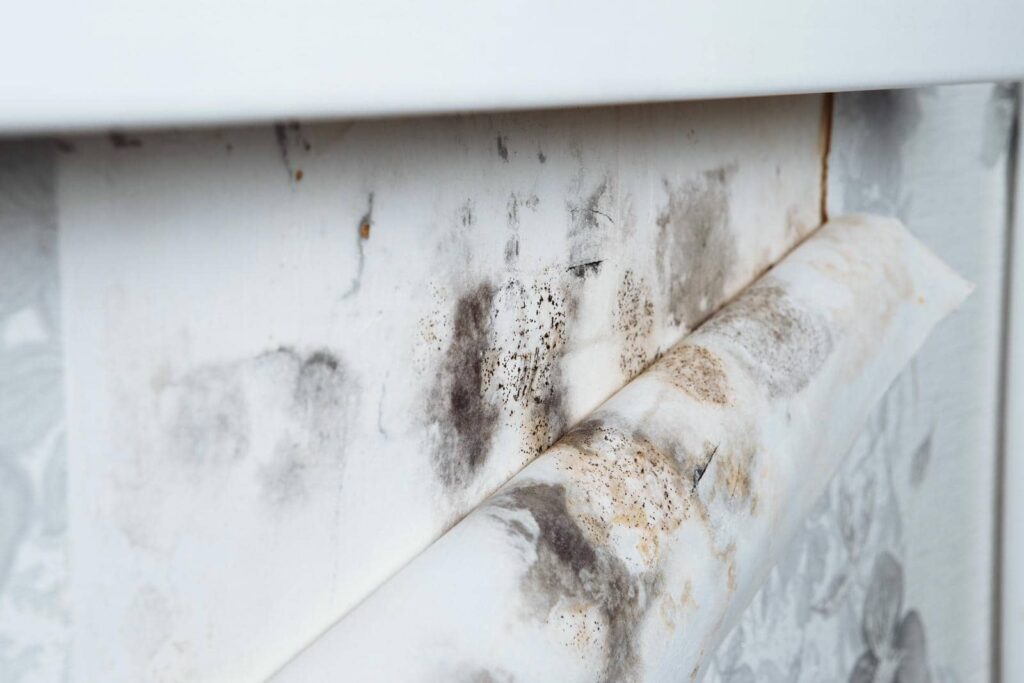
Utilize effective mold identification techniques to pinpoint affected areas. Start in high-humidity zones like bathrooms and kitchens, where mold thrives. Inspect walls, ceilings, and corners, looking for discoloration, fuzzy textures, or unusual odors.
Use inspection tools such as moisture meters and infrared cameras to detect hidden mold in walls and behind appliances. Pay close attention to areas around windows, pipes, and HVAC systems, as these can harbor moisture and mold.
Document your findings meticulously, noting the extent of growth and the affected materials. This systematic approach helps in understanding the current mold situation and aids in developing a targeted remediation plan.
Assessing Indoor Air Quality
How can you ensure the air quality in your indoor spaces is safe and healthy?
Evaluating indoor air quality is essential in identifying and mitigating harmful indoor pollutants. Here are four key steps you should take:
Test for Indoor Pollutants: Utilize air sampling kits to detect mold spores, VOCs, and other contaminants.
Evaluate Air Circulation: Make sure that your HVAC systems are functioning at their best to promote proper air exchange and reduce stagnant air.
Monitor Humidity Levels: Keep indoor humidity between 30-60% to inhibit mold growth and improve air quality.
Inspect Filters: Regularly check and replace air filters in your HVAC systems to trap dust, allergens, and pollutants effectively.
Identifying Affected Materials and Surfaces
Understanding indoor air quality lays the groundwork for identifying materials and surfaces affected by mold and other contaminants. You’ll want to start by conducting a thorough visual inspection, focusing on areas prone to moisture, such as bathrooms, kitchens, and basements.
Look for discoloration, warping, or any signs of water damage. These indicators often reveal affected surfaces.
Next, perform material identification to ascertain which materials harbor mold. Common culprits include drywall, wood, and carpets, as they absorb moisture easily.
Use moisture meters to quantify the dampness in these materials, providing a clearer picture of potential mold growth.
Document your findings meticulously to ensure all affected surfaces are accounted for. This methodical approach helps create a detailed remediation plan, fostering a sense of belonging and safety within your environment.
To conclude, accurate identification is vital for effective mold remediation, promoting a healthier indoor air quality for you and your loved ones.
Evaluating Structural Integrity
A thorough evaluation of structural integrity is essential in any mold remediation assessment. You need to ensure that your building’s stability is uncompromised by mold damage.
Here’s what to focus on during your assessment:
Inspect Load-Bearing Walls: Check for any signs of warping or moisture damage that could affect structural stability.
Evaluate Floor Joists: Look for sagging, cracks, or rot in these critical building materials that support weight.
Assess Roof Integrity: Examine for leaks or damage that might allow moisture to accumulate, promoting mold growth.
Review Foundation Conditions: Ensure there are no signs of settling or cracks that could jeopardize the overall structure.
Sampling and Testing for Mold Spores
Effective sampling and testing for mold spores is vital in identifying the extent of contamination in your environment. You’ll want to utilize various sampling techniques, such as air sampling, surface sampling, and bulk sampling, to capture a thorough picture of mold presence.
Each method has its distinct advantages and is effective for detecting different mold spore types, including allergenic, pathogenic, and toxigenic varieties. Air sampling, for instance, can reveal airborne spores that mightn’t settle on surfaces, while surface sampling can identify mold growing on materials.
It’s important to follow established guidelines during the sampling process to ensure accuracy and reliability. Once samples are collected, laboratory analysis will help you distinguish between different mold spore types, providing insight into potential health risks and remediation strategies.
Determining the Extent of Contamination
After conducting thorough sampling and testing for mold spores, the next step involves evaluating the extent of contamination within the affected area.
This assessment helps you understand contamination sources and informs your choice of remediation methods.
Here are four key aspects to take into account:
Visual Inspection: Look for visible mold growth or water damage that can indicate contamination levels.
Moisture Assessment: Identify areas with high humidity or leaks, as these are prime contamination sources.
Air Quality Testing: Measure airborne mold spores to determine the severity of contamination.
Surface Sampling: Collect samples from surfaces to evaluate mold presence and concentration.
Developing a Remediation Plan
As you begin to formulate a remediation plan, it’s essential to integrate the findings from your contamination assessment. Start by identifying the specific areas affected and the type of mold present, as this will guide your remediation strategies.
Develop a step-by-step approach that prioritizes safety, ensuring all personal protective equipment (PPE) is in place.
Consider employing containment measures to prevent mold spores from spreading during remediation. Choose effective cleaning agents and methods tailored to the materials involved.
Additionally, outline necessary repair work for any damaged structures to eliminate moisture retention.
Don’t overlook prevention measures; incorporate strategies to reduce future mold growth, such as improving ventilation and controlling humidity levels.
Regularly inspect your environment and utilize dehumidifiers where necessary.
Post-Remediation Verification and Monitoring
Once the remediation plan has been executed, verifying its effectiveness becomes a priority. This step ensures that your environment is safe and mold-free.
Here are some essential monitoring strategies for effective remediation verification:
Air Quality Testing: Conduct post-remediation air samples to check for residual mold spores.
Surface Sampling: Use swab or tape sampling methods to test surfaces for any remaining mold.
Visual Inspections: Regularly inspect treated areas for signs of mold regrowth or moisture issues.
Humidity Monitoring: Keep track of indoor humidity levels to prevent future mold growth.
Incorporating these strategies allows you to confirm that the remediation efforts were successful.
Consistent monitoring protects your space and reassures everyone involved that you’re committed to maintaining a healthy environment.
Frequently Asked Questions
How Long Does Professional Mold Remediation Typically Take?
Professional mold remediation duration typically ranges from a few days to a week. The remediation process timeline depends on the extent of the mold growth, the materials affected, and the necessary containment and cleaning methods employed.
What Qualifications Should I Look for in a Mold Remediation Professional?
When hiring a mold remediation professional, look for individuals with relevant certifications, like IICRC. Consider their experience levels, ensuring they’ve handled similar situations. This ensures effective assessment and remediation tailored to your specific needs.
Is Mold Removal Covered by Homeowners Insurance?
Mold removal is often covered by homeowners’ insurance, but mold coverage varies by policy. You should check your insurance limits and exclusions, as some policies may not fully cover mold remediation costs. Always clarify your coverage.
Can Mold Remediation Prevent Future Mold Growth?
Yes, effective mold remediation employs mold prevention techniques that address moisture issues, improve air circulation, and reduce humidity. These long-term solutions help create an environment less conducive to mold growth, ensuring your space remains safe and healthy.
What Should I Do During the Remediation Process?
During remediation, think of a safety net beneath a tightrope walker. You’ll want to wear protective gear, use appropriate remediation equipment, and follow safety precautions to ensure a secure environment while tackling mold issues effectively.
Conclusion
Professional mold remediation is essential for safeguarding your health and property. By meticulously evaluating moisture sources, inspecting for visible growth, and analyzing air quality, experts can tackle mold issues effectively. Their thorough approach ensures you’re fighting a small battle against mold and winning the war against potential health hazards. Remember, a mold-free environment isn’t just a luxury—it’s your right. Don’t wait for the problem to escalate; take action now for a healthier living space.
Recent Posts
5 Tips for Emergency Flood Cleanup and Mold Remediation
Emergency Flood Cleanup is essential because after a flood, mold can start growing sooner than
5 Emergency Flood Cleanup and Mold Remediation Tips
When floodwater hits, you need to move fast, but you also need to move in
7 Best Solutions for Fire Damage Cleanup and Repair
A home after a fire is like a book with torn pages, each scar telling