
Contents
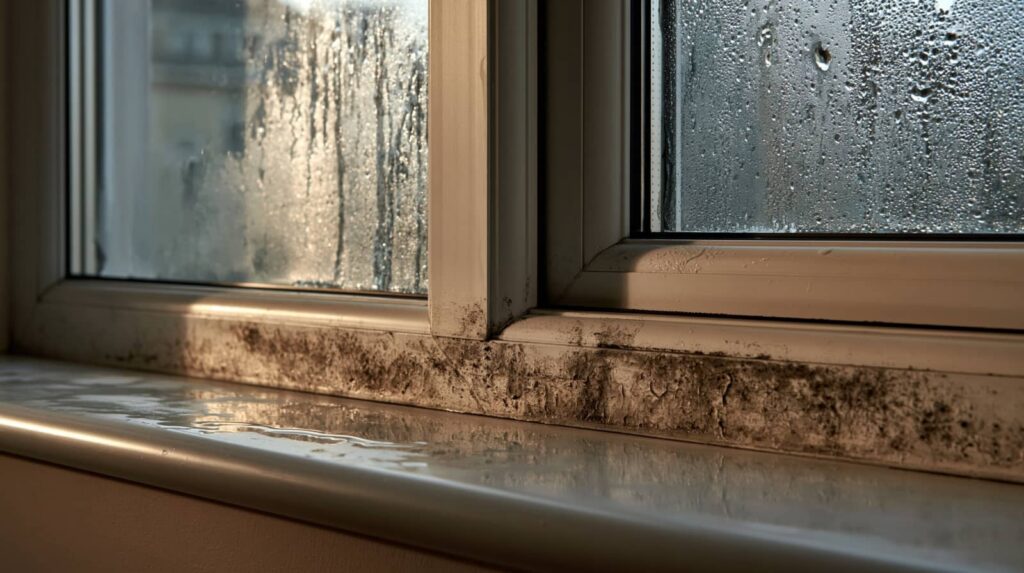
Like a slow leak in a ship’s hull, water damage in your home keeps feeding mold. Leak Water Damage can allow moisture to seep into drywall, insulation, and framing, where porous materials hold it long after the surface looks dry. That trapped dampness, combined with poor airflow and humidity, can create conditions for mold growth within 24 to 48 hours. If you spot stains, odors, or soft spots, acting quickly can help limit hidden damage and prevent the problem from getting worse.
Key Takeaways
- Leak water damage causes mold because moisture creates the damp environment mold needs to grow.
- Porous materials like drywall and insulation trap water, allowing hidden mold to develop quickly.
- Mold can begin growing within 24 to 48 hours after a leak if the area stays wet.
- Poor ventilation and humidity above 60% make water-damaged areas more likely to grow mold.
- Stopping the leak and drying materials fast helps prevent mold from spreading.
Why Ceiling Leaks Lead to Mold
When water seeps through a ceiling, it often stays trapped in insulation, drywall, and framing long after the visible leak stops, creating the damp conditions mold needs to grow.
You’re dealing with porous ceiling materials that absorb water and slow drying, so hidden pockets stay wet behind paint and trim.
If you don’t remove the source, moisture sources like roof failures, plumbing leaks, or condensation keep feeding the damage.
That trapped moisture weakens finishes, stains surfaces, and gives mold a place to colonize.
You can protect your space by finding the source fast, opening affected areas, and drying the cavity with airflow and dehumidification.
Acting quickly helps you stay in control and keeps your home healthier for everyone inside.
How Fast Mold Grows After a Leak
Mold can begin growing within 24 to 48 hours after a leak if wet materials stay damp, especially in warm, poorly ventilated spaces.
Your mold growth timeline depends on leak severity, the material affected, and how quickly you dry the area. Porous drywall, insulation, and wood can hold moisture and support fast colonization, while sealed surfaces dry more easily.
You should act at once: stop the source, remove standing water, increase airflow, and dehumidify. If humidity stays high, mold can spread beyond the visible leak zone and into adjacent cavities.
Quick response helps you protect your space and stay ahead of costly remediation. When you move fast, you’re not alone; you’re taking the same practical steps other homeowners use to limit damage and restore control.
Signs Mold Is Hiding in Your Ceiling
You can spot hidden ceiling mold by watching for yellow or brown stains, discoloration, and any new water marks that spread over time.
Check for peeling or bubbling paint, since trapped moisture often weakens the finish above the surface.
If you notice a persistent musty odor, inspect the area quickly and arrange for a moisture source check.
Ceiling Stains And Discoloration
A ceiling stain often signals a hidden leak that can feed mold behind drywall, insulation, or plaster.
You should inspect the area for ceiling texture changes, such as bubbling, sagging, or rough patches, because trapped moisture disrupts the surface.
Watch for color variations too: yellow, brown, or gray rings often show active or past water intrusion.
If the stain grows, darkens, or spreads beyond the original mark, moisture may still be present.
You belong in a home that feels safe, so treat every stain as a clue, not just a cosmetic issue.
Use a moisture meter, check the attic or upper floor, and document the spot.
Then repair the leak and dry the cavity fast to limit mold growth.
Peeling Paint And Musty Odors
When ceiling paint starts peeling or blistering, moisture has likely broken the bond beneath the surface and may be feeding hidden mold in the drywall or plaster.
You may also notice a stale, earthy odor that lingers after cleaning. That smell often points to active growth above the ceiling line, especially when you find peeling wallpaper, damp insulation, or musty carpets nearby.
Check for soft spots, warped joints, and cool areas with a moisture meter. If the odor strengthens after rain or HVAC use, treat the leak as ongoing.
Remove damaged material only after you stop the water source, then dry the cavity fast. You’re not dealing with a cosmetic issue; you’re protecting your home’s air and your household’s health.
What Speeds Up Ceiling Mold Growth
Ceiling mold grows faster when moisture stays trapped, humidity stays high, and ventilation is poor, because these conditions let spores germinate and spread quickly.
You also raise risk when humidity levels stay above 60%, ventilation issues limit air exchange, temperature fluctuations create condensation, and hidden water sources keep feeding growth.
If you live in a tight home, small leaks, roof seepage, or bathroom steam can turn into a fast-moving problem.
You’ll see mold advance sooner on porous drywall and insulation because they hold moisture longer.
To protect your space, monitor indoor humidity, improve airflow, and inspect for recurring damp spots.
Acting early helps you stay ahead of damage and keeps your home healthier for everyone inside.
How to Dry Out a Leaking Ceiling
Stop the leak first, then dry the ceiling area as fast as possible to limit structural damage and mold growth.
You should place buckets, plastic sheeting, or towels to catch drips, then remove wet insulation if you can reach it safely.
Use fans and a dehumidifier to move air and pull out hidden moisture. Open nearby windows only if outdoor air is drier, and improve ceiling ventilation by clearing vents and attic pathways.
Check the drywall, plaster, and framing with a moisture meter until readings return to normal.
If the surface sags, stays cool, or smells musty, keep drying and inspect deeper layers.
Good moisture control means you act quickly, monitor progress, and stop lingering dampness before it spreads through your home.
When Ceiling Mold Becomes a Health Risk?
When you see visible ceiling mold, especially spreading patches, discoloration, or a musty odor, treat it as a health risk indicator, not just a cosmetic issue.
If you notice symptoms like coughing, throat irritation, nasal congestion, headaches, or worsening asthma after exposure, you should act quickly.
You can reduce risk by isolating the area, fixing the moisture source, and arranging prompt mold removal.
Visible Growth Warning Signs
Visible mold growth on a ceiling usually signals that moisture has persisted long enough for contamination to spread, and you should treat it as a health risk if the area keeps expanding, appears fuzzy or discolored, or starts releasing a musty odor.
You can confirm the source with mold identification techniques and moisture detection methods, then map the affected zone before repairs.
Look for staining, peeling paint, soft drywall, and repeat growth after cleaning; those signs mean the leak isn’t fully controlled.
If the patch sits near vents, plumbing, or roof seams, act fast and isolate the area.
You’ll protect your space and help your household feel secure when you document the damage, correct the leak, dry the structure, and remove contaminated materials with professional guidance.
Symptoms Of Exposure
Ceiling mold becomes a health risk when you start noticing symptoms that line up with exposure, such as coughing, wheezing, sinus congestion, sore throat, eye irritation, headaches, or unusual fatigue.
These mold symptoms often worsen in rooms with poor airflow or after leaks. You may also notice tightness in your chest, sleep disruption, or lingering irritation after leaving the area.
Track when the health effects appear and whether they improve elsewhere; that pattern helps confirm exposure. Don’t ignore recurring reactions, especially if children, older adults, or anyone with asthma shares your space.
Remove the moisture source, limit time under the affected ceiling, and arrange inspection and cleanup promptly. Early action protects your household and helps you get back to a safer, more comfortable home.
When to Call a Mold Remediation Pro
If the affected area is larger than about 10 square feet, the mold keeps returning after cleaning, or you suspect growth inside walls, under flooring, or in HVAC components, you should contact a mold remediation professional.
You need a mold inspection to identify the source, confirm species, and map contamination. A pro can isolate the area, remove affected materials, and verify moisture levels with instruments you don’t have at home. This limits spread and protects your household’s health.
Ask for a written scope so you can compare remediation costs, timeline, and containment methods. If you’ve already cleaned twice and still see staining, odor, or recurrent spotting, don’t keep guessing.
You’re not overreacting—you’re taking the right step with people who handle this problem every day.
How to Prevent Mold After Repairs
After repairs, keep mold from coming back by controlling moisture at the source and verifying that the building is truly dry.
You should dry framing, subfloors, insulation, and wall cavities with dehumidifiers and airflow until moisture readings normalize.
Seal leaks, slope drainage away from the structure, and maintain indoor humidity below 60%.
Replace porous materials that stayed wet too long.
Schedule a post repair inspection with a qualified inspector to confirm no hidden dampness remains.
Use mold prevention tips like running bath fans, cleaning HVAC drains, and checking caulking around tubs and windows.
When you stay consistent, you protect your home and everyone in it, and you help your space feel safe, stable, and shared.
Frequently Asked Questions
Can Mold Start Inside Walls From a Small Leak?
Yes, mold can start inside walls from a small leak if you don’t control moisture. You should use leak detection, inspect wall insulation, and dry materials fast to prevent mold growth and protect your home.
Does Leaking Water Always Create Visible Mold?
No, you won’t always see visible mold; it can grow hidden behind surfaces. You should prioritize moisture control, inspect damp areas, and dry leaks fast to stop mold growth and protect your space.
Can Paint or Primer Stop Mold After a Leak?
No, paint or primer won’t stop mold alone; they’re a raincoat, not a shield. You need preventive measures: dry surfaces fast, fix the leak, and apply mold resistant coatings after cleanup to protect your space.
Will a Roof Leak Cause Mold in Insulation?
Yes, a roof leak can cause mold in roof insulation if you leave moisture retention unchecked. You should inspect, dry, and replace contaminated insulation fast, then fix the leak so your home stays protected together.
Can Mold Return After the Leak Is Fixed?
Yes, mold can return after you fix a leak. If you once found black spots behind your wall, you’ll need mold regrowth prevention and check leak repair effectiveness, or hidden moisture can trigger it again.
Final Thoughts
If you leave a leak unchecked, you’re giving mold exactly what it wants: hidden moisture, trapped inside porous materials, with time to spread. Even after the water stops, damp drywall, insulation, and framing can keep feeding growth you can’t see yet. Dry the area fast, watch for new stains or musty odors, and don’t ignore returning moisture. If the damage lingers, the next problem may already be growing behind the surface.
Recent Posts
3 Ceiling Leak Cleanup and Repair Steps
When you find a ceiling leak, you need to act in a specific order to
Mold Cleanup After Roof Water Damage
When you spot mold after roof water damage, you need to act fast, but not
3 Tips for Leak Water Damage Repair
When you spot a leak, you need to stop the water source fast and shield