
Contents
Crawl space mold can lead to serious health issues and structural damage if not addressed promptly. To effectively tackle this problem, you need a practical approach that starts with identifying moisture sources and improving ventilation. By following the right steps, you can protect your home and create a healthier environment. Let’s explore the ten best tips for mold remediation that will help you take control of your crawl space situation.
Key Takeaways
- Identify and repair any moisture sources, such as leaks or poor drainage, to prevent mold growth in the crawl space.
- Improve ventilation by installing exhaust fans and ensuring adequate airflow through crawl space vents.
- Use dehumidifiers to maintain humidity levels below 60%, preventing ideal conditions for mold development.
- Regularly inspect and maintain insulation, plumbing, and ventilation systems to catch potential mold issues early.
- Seek professional assistance for thorough mold assessment and safe remediation practices when mold is detected.
Identify the Source of Moisture
How can you effectively tackle mold in your crawl space? The first step is to identify the source of moisture. Mold thrives in damp environments, so locating the moisture sources is vital.
Start by checking for water leaks in your plumbing or foundation. Even small leaks can lead to significant moisture buildup over time. Inspect your gutters and downspouts to ensure they’re directing water away from your home.
You should also examine the soil around your foundation; improper grading can cause water to pool near the crawl space. Additionally, consider the humidity levels in your area. If you live in a particularly damp climate, you might need to take extra precautions.
Once you’ve pinpointed the moisture sources, you can take the necessary steps to repair leaks and reduce humidity, setting the stage for effective mold remediation.
Improve Ventilation
While identifying moisture sources is essential, improving ventilation in your crawl space is equally important for preventing mold growth.
Proper air circulation helps reduce humidity and keeps your space dry. Consider the following tips to enhance your ventilation systems:
Install vents: Verify your crawl space has adequate vents to allow fresh air in and stale air out.
Use exhaust fans: Adding exhaust fans can help facilitate air movement, especially in humid conditions.
Seal gaps: Check for any gaps or cracks in your foundation and seal them to prevent moisture buildup while promoting airflow.
Use a Dehumidifier
Improving ventilation is a key step, but using a dehumidifier can make a significant difference in controlling moisture levels in your crawl space. A dehumidifier helps reduce humidity, preventing mold growth and deterioration of your home’s structure.
By maintaining ideal humidity levels, you protect your property and create a healthier living environment for your family.
One of the main dehumidifier benefits is its ability to run continuously, automatically adjusting to changes in humidity. This means you won’t have to constantly monitor moisture levels.
Additionally, many modern dehumidifiers come with built-in features like timers and humidity sensors, making them user-friendly and efficient.
Investing in a dehumidifier can save you from costly repairs down the line and enhance your home’s air quality.
Insulate the Crawl Space
To effectively insulate your crawl space, start by choosing the right insulation material that suits your climate and moisture levels.
Next, make sure to seal any gaps to prevent air leaks, which can lead to mold growth.
Proper insulation keeps your space dry and improves energy efficiency.
Choose Proper Insulation Material
Choosing the right insulation material for your crawl space is essential in preventing mold growth and maintaining energy efficiency.
Different insulation types can impact your home’s comfort and overall health. Here are some options to take into account:
Fiberglass Batts: Affordable and easy to install, but may require a vapor barrier.
Spray Foam: Provides excellent sealing and insulation but can be pricier upfront.
Rigid Foam Boards: Durable and effective, ideal for irregular spaces.
Selecting the appropriate insulation helps keep your crawl space dry and reduces energy costs.
Remember, a well-insulated crawl space prevents mold and creates a more comfortable living environment for you and your family.
Take the time to research and choose wisely!
Seal Gaps Effectively
While it may seem minor, sealing gaps in your crawl space is essential for preventing moisture and mold issues.
Start by identifying all gaps around pipes, vents, and the foundation. Use effective materials like spray foam insulation or caulk for a tight seal.
These gap-sealing techniques stop unwanted moisture and enhance your home’s energy efficiency. Make sure to choose high-quality sealants that can withstand temperature fluctuations.
After sealing, consider installing a vapor barrier to further protect against moisture intrusion.
By taking these steps, you’ll create a healthier environment for your home and loved ones, ensuring everyone feels comfortable and safe.
Seal Cracks and Gaps
Since moisture can easily seep into your crawl space through cracks and gaps, sealing these openings is crucial for effective mold remediation.
You’ll want to prioritize crack sealing and gap filling to help maintain a dry environment. Here are a few practical steps to guide you:
- Inspect your crawl space regularly for visible cracks and gaps.
- Use high-quality sealants designed for both crack sealing and gap filling.
- Ensure proper drainage around your home to minimize moisture intrusion.
Utilize Mold-Resistant Products
To effectively combat mold growth in your crawl space, utilizing mold-resistant products is essential. Start by applying mold-resistant paints to any exposed surfaces. These specialized paints create a barrier that prevents moisture absorption, making it harder for mold to take hold. They’re easy to apply and can greatly improve your crawl space’s overall environment.
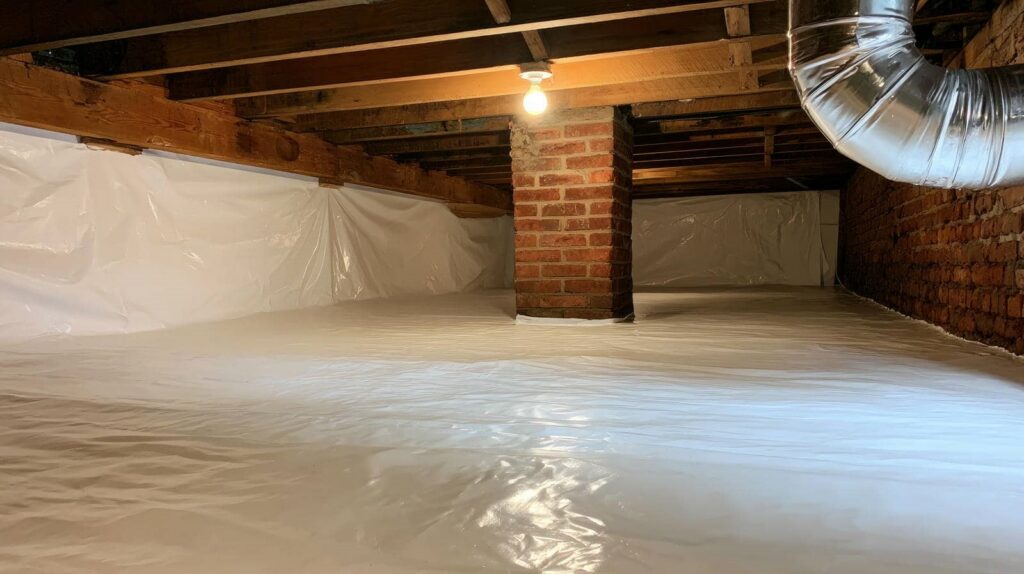
Additionally, consider installing mold-resistant barriers, especially if you have a dirt floor. These barriers act as a protective shield against moisture intrusion, keeping your crawl space dry and less susceptible to mold.
Be sure to select high-quality products designed specifically for this purpose, as they offer enhanced durability and performance.
Regularly Inspect the Area
Regularly inspecting your crawl space is essential for preventing mold growth and maintaining a healthy environment.
By conducting routine checks, you can spot any signs of moisture or mold before they escalate into bigger problems. This proactive approach is a key aspect of effective crawl space maintenance, helping you protect your home and family.
Consider these inspection tips:
Look for leaks: Check pipes and insulation for any signs of moisture or water damage.
Monitor humidity levels: Use a hygrometer to ensure humidity remains below 60%, ideal for mold detection.
Inspect for ventilation: Confirm vents are clear and functioning to promote airflow and reduce moisture buildup.
Remove Contaminated Materials
Removing contaminated materials is a crucial step in mold remediation for your crawl space. Start by identifying any affected items, such as insulation, wood, or cardboard, that can’t be salvaged.
Use effective mold removal techniques to safely handle these materials—wear gloves, a mask, and goggles to protect yourself from spores.
Once you’ve removed the contaminated items, focus on proper contaminated material disposal. Place these materials in sealed plastic bags to prevent further spread of mold spores.
Check local regulations for guidelines on disposal; some areas have specific rules for hazardous waste.
Proper disposal protects your home and contributes to a healthier environment.
Clean With Mold Inhibitors
After you’ve taken care of contaminated materials, it’s time to focus on cleaning the remaining surfaces in your crawl space with mold inhibitors.
Using effective cleaning solutions helps eliminate any lingering spores and implement mold-prevention techniques that protect your home long-term.
Consider these essential tips:
Use EPA-approved mold inhibitors: These solutions are specifically designed to target and prevent mold growth effectively.
Pay attention to ventilation: Verify your crawl space has adequate airflow, as this is vital for reducing moisture and mold risk.
Regular maintenance: Schedule routine inspections and cleanings to keep mold at bay and maintain a healthy environment.
Consider Professional Help
While tackling mold issues in your crawl space can seem manageable, enlisting professional help might be the best choice for ensuring thorough remediation.
Mold specialists possess the expertise and tools necessary to identify the extent of the problem, which can often be hidden from view. They can assess the situation accurately and implement effective strategies tailored to your specific needs.
By opting for professional services, you also gain peace of mind knowing that the remediation process is handled safely and efficiently. Mold removal can be hazardous, and improper handling can lead to further contamination or health risks.
Moreover, experienced mold specialists can provide valuable advice on preventing future mold growth, ensuring that your crawl space remains healthy long after the initial cleanup.
If you’re feeling overwhelmed, don’t hesitate to reach out for help. Investing in professional services can save you time, stress, and potential health issues down the line.
Review
By tackling crawl space mold with these tips, you’re not just fighting an unwelcome intruder; you’re safeguarding your home’s foundation, like a knight protecting a castle. Remember, moisture is the enemy, so be vigilant in your efforts. Regular inspections, effective ventilation, and professional assistance can make all the difference. With these strategies, you’ll create a healthier environment, ensuring your home remains a fortress against mold and its harmful effects. Take charge, and breathe easy in your space!
Recent Posts
Why Does Leak Water Damage Cause Mold?
Like a slow leak in a ship’s hull, water damage in your home keeps feeding
Ceiling Leak Water Damage Mold Repair Guide
You notice a ceiling stain the same day a drip starts, and that coincidence matters
Why Mold Remediation Matters After Flooding
When floodwater lingers, mold doesn’t wait. It can spread through wet drywall, saturated insulation, and