
Contents
If you’re dealing with flood odor, Odor Removal starts with tracing the source rather than simply masking the smell. You’ll check damp materials, hidden mold, and trapped moisture before bringing in dehumidifiers, cleaners, and neutralizers. Each step matters because the wrong fix can leave the odor returning. The real question is which method works best when the damage goes deeper than the surface.
Key Takeaways
- Identify and remove odor sources in baseboards, drywall, carpets, insulation, and hidden wall cavities.
- Dry the area fast with dehumidifiers and ventilation, keeping indoor humidity between 30% and 60%.
- Clean walls, floors, trim, and fabrics with mild detergent, hot water, and proper moisture control.
- Use odor neutralizers and enzyme cleaners on organic residue, damp biofilm, and porous materials.
- Call restoration professionals for persistent odors, moisture testing, antimicrobial treatment, and damaged material removal.
Find the Source of Flood Odors
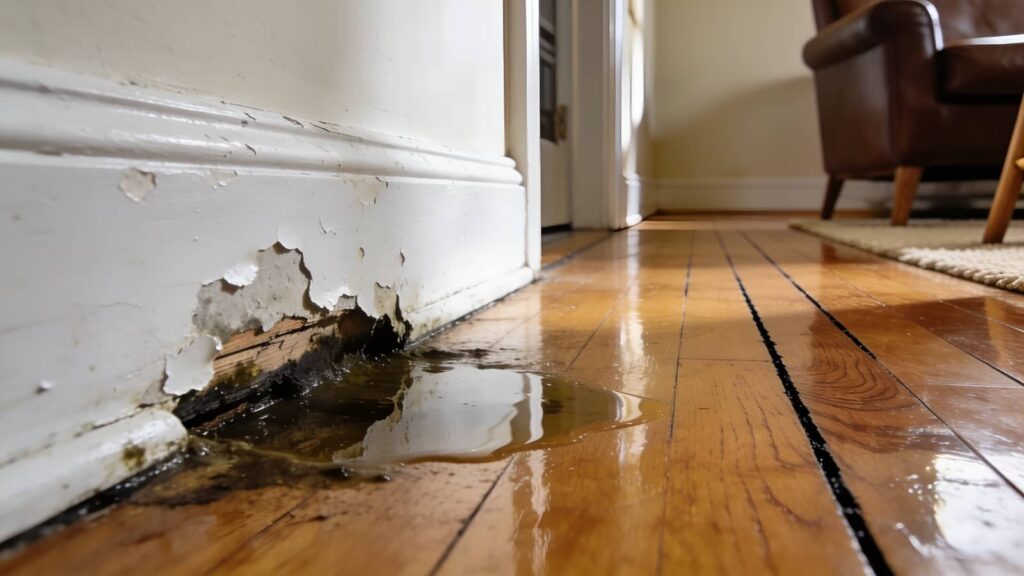
Before you can remove flood odors, you need to pinpoint where they’re coming from, because moisture trapped in porous materials, hidden cavities, or contaminated debris will keep releasing smells until you eliminate the source.
You should inspect baseboards, drywall seams, insulation, carpets, and subfloors for staining, warping, or musty pockets. Check wall cavities, HVAC returns, and under cabinets, where debris can hide and intensify odor.
Use a flashlight and your nose to trace the strongest areas, then mark each suspect location. If you find mold growth, treat it as a priority because it can spread quickly and worsen air quality.
You’re not dealing with this alone; a careful search helps you protect your space and restore a cleaner, safer home.
Dry Out the Area First
Once you’ve identified the odor sources, dry the area completely so moisture can’t keep feeding musty smells, mold, or bacterial growth.
Set your dehumidifier settings to maintain low indoor humidity, ideally around 30% to 60%, and run it continuously until surfaces feel fully dry.
Use ventilation techniques that move air out, not just around: open windows only when outdoor air is drier, place fans to create crossflow, and exhaust damp air from enclosed rooms.
Check hidden spaces like wall cavities, baseboards, and subfloors, because trapped moisture keeps odors active.
If you’re part of a recovery effort with your household or team, keep everyone aligned on drying goals and monitor progress daily.
Quick, complete drying gives you the best chance to stop smells before they settle in.
Clean Walls, Floors, and Fabrics
After the area is dry, clean every surface that can hold flood residue and odor. You should wash walls, baseboards, and trim with warm water and a mild detergent, then rinse with clean water.
Scrub hard flooring with the right cleaner for the material, and avoid soaking seams or joints. Remove damaged carpet padding and launder washable fabrics in hot water if the label allows.
For upholstery, use a damp cloth and keep moisture low. Focus on corners, behind furniture, and under appliances, where residue lingers.
Good air circulation helps surfaces dry faster and supports mold prevention. If you clean methodically, you’ll restore a safer, fresher space and help your home feel like yours again, one room at a time.
Use Odor Neutralizers and Enzyme Cleaners
Use odor neutralizers and enzyme cleaners to treat the remaining smell at its source, not just mask it. You can target organic residue in drywall seams, subfloor gaps, and textile fibers with products matched to the contaminant.
Compare neutralizer types: oxidizing sprays reduce volatile odor molecules, while adsorption gels capture airborne compounds.
For damp biofilm, apply an enzyme cleaner and keep the surface wet for the label contact time so the enzymes can break down proteins and fats. Check enzyme effectiveness on a small area first, especially on dyed fabrics and painted finishes.
After treatment, ventilate the space and let the area dry completely. This step helps you reclaim a cleaner, safer room and keeps your progress consistent with the rest of your restoration work.
Call a Professional for Stubborn Odors
If the odor lingers after cleaning, you should bring in a restoration professional who can trace hidden moisture, contaminated insulation, or mold growth that DIY treatment may miss.
You’ll get targeted diagnostics with moisture meters, thermal imaging, and air quality checks, so you’re not guessing. A technician can remove damaged materials, sanitize affected cavities, and apply odor absorption techniques that reach deeper than surface cleaners.
They can also verify drying, recommend antimicrobial treatments, and seal porous areas that keep trapping smells. That support matters when you want your home to feel safe and like yours again.
For long term prevention, ask for a written remediation plan, humidity targets, and follow-up inspections.
With expert help, you can stop stubborn odors at the source and restore confidence in your space.
Frequently Asked Questions
How Long Do Flood Odors Usually Linger After Cleanup?
You’ll usually notice flood odors for days to weeks after cleanup; odor persistence depends on hidden moisture, materials, and ventilation. In flood recovery, you need thorough drying, source removal, and dehumidification to stop lingering smells.
Can HVAC Systems Spread Flood-Related Odors Indoors?
Yes—your HVAC can act like a scent highway, spreading flood odors indoors. You should isolate affected zones, replace filters, inspect ducts, and schedule HVAC maintenance for odor prevention. You’re not alone; quick, methodical action helps.
Are Flood Odors Harmful to Pets or Children?
Yes, flood odors can affect your pets and children, especially with mold, sewage, or chemicals. For pet safety and child health, you should limit exposure, improve ventilation, and address flood effects quickly if odor sensitivity appears.
What Materials Should Be Replaced Instead of Cleaned?
You should replace soaked drywall, insulation, carpet, carpet pad, particleboard, and swollen wood that won’t dry. During material assessment and mold remediation, you’ll protect your space, reduce odors, and restore a healthier environment.
Does Insurance Cover Professional Odor Removal After Flooding?
Usually, yes—if your policy covers the flood source, you can file insurance claims for professional odor removal, but coverage limits may cap reimbursement. Review exclusions, document losses, and consult your adjuster quickly to stay afloat.
Recap
After flood damage, you need to act fast. You can cut odor problems at the source by finding moisture, drying the area, and cleaning every affected surface. Use odor neutralizers and enzyme cleaners where smells linger. Floodwater can move fast, so lingering odor often signals hidden damage. If the smell stays, you’ll need professional remediation.
Recent Posts
How to Restore Water Damage After Flood
After a flood, you’re facing more than a little cleanup, and your first move is
7 Smoke Odor Removal Tips After Water Damage
Smoke odor after water damage can linger in places you’d never think to inspect first.
What Removes Odor After Water Damage?
After water damage, you need to remove the source of the smell, not just mask