
Contents
After water damage, you need to remove the source of the smell, not just mask it. Odor After Water Damage can often be addressed by drying wet materials within 24 to 48 hours, cleaning hard surfaces with detergent or steam, and using odor neutralizers on porous areas. HEPA vacuuming can help remove debris and particles, while HVAC cleaning may prevent odors from circulating. If the smell lingers, the next step is usually finding and addressing hidden moisture.
Key Takeaways
- Remove the water source and dry affected areas quickly with fans and dehumidifiers to stop odor-causing mold and bacteria growth.
- Dispose of soaked drywall, carpet, and insulation that cannot dry within 24 to 48 hours.
- Deep-clean and disinfect all damaged surfaces, then use odor neutralizers to break down lingering musty smells.
- Vacuum with HEPA filtration to remove mold spores and debris from carpets, vents, and hidden areas.
- Inspect and clean HVAC components, and call restoration professionals if odors persist or contamination is extensive.
What Causes Water Damage Odor?
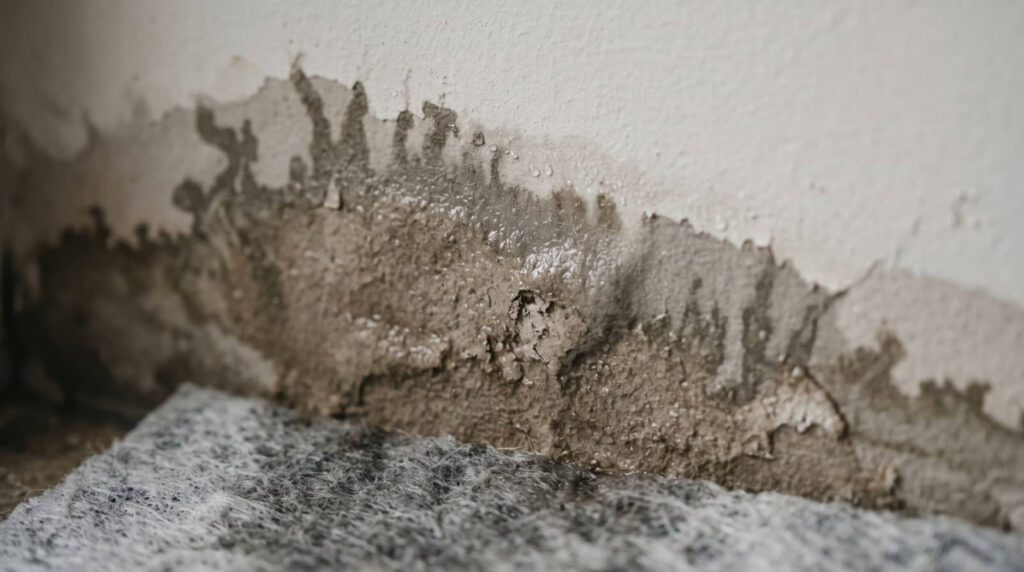
Water damage odor usually comes from moisture that lingers in porous materials, allowing mold, mildew, and bacteria to grow. You smell it because wet drywall, carpet, wood, and insulation trap contaminants and release volatile compounds.
Common moisture sources include leaks, floodwater, condensation, broken appliances, and hidden pipe failures. If you’ve joined the cleanup too late, bacteria growth can start fast in warm, damp spaces and intensify the musty, sour, or earthy odor.
You may also notice smell from sewage, dirty floodwater, or wet dust settling in voids. The odor often persists until you remove the source and address affected materials.
When you identify where water entered, you’re better positioned to stop the smell and protect your space.
Dry Wet Materials Quickly
You need to dry wet materials as fast as possible to limit odor formation after water damage.
Use fans, dehumidifiers, and open airflow to speed evaporation from carpets, drywall, and furniture.
The quicker you remove moisture, the less chance mold has to grow and worsen the smell.
Speed Up Drying
To speed up drying after water damage, remove standing moisture quickly and expose wet materials to moving air as soon as possible.
You’ll get better results when you open cabinets, lift rugs, and separate items so air reaches hidden surfaces. Use fans to create steady air circulation across walls, floors, and furniture, and pair that with dehumidifier usage to pull excess moisture from the room.
Keep HVAC vents unobstructed if the system is safe to run. Remove soaked upholstery, pads, and paper goods that trap water and slow evaporation.
Check moisture-prone areas like baseboards and corners, since trapped dampness lingers there.
When you dry fast and evenly, you help your space recover cleanly and feel like home again.
Stop Mold Growth
Dry wet materials within 24 to 48 hours to reduce the chance of mold growth after water damage.
You should remove soaked drywall, carpet, and insulation if they can’t dry fast enough.
Run dehumidifiers, fans, and HVAC airflow to support moisture control and keep humidity low.
Open doors between rooms so air moves evenly, and lift furniture off wet surfaces.
Check hidden spaces, like baseboards, cavities, and under flooring, because trapped dampness can trigger mold.
For strong mold prevention, clean and disinfect hard surfaces after drying, then monitor for musty odors or staining.
If materials stay wet, replace them quickly so you protect your space and stay with a team that acts before damage spreads.
Remove Odors From Carpets and Walls
Once carpets and wall materials have dried, tackle trapped odors at the source with thorough cleaning and targeted deodorizing. You can restore a fresher space with careful carpet deodorization and wall treatment that fits your crew’s needs.
- Vacuum carpet fibers slowly with a HEPA vacuum to lift odor-bearing dust.
- Apply an enzyme or oxygen-based carpet deodorizer, then extract residue with minimal moisture.
- Wipe painted walls with a mild detergent solution and a microfiber cloth; spot-test first.
- Treat porous drywall with a compatible odor-blocking primer after cleaning.
Keep airflow steady while materials cure, and repeat treatment on any area that still smells off.
You’re not just masking odors—you’re helping your home feel safe, clean, and like yours again.
Clean and Neutralize Musty Smells
To clean musty smells after water damage, you need to deep-clean every affected surface, including porous materials that hold odor.
Use detergent, steam, or extraction methods to lift residue and moisture that feed the smell.
Then apply an odor neutralizer to break down remaining compounds instead of masking them.
Deep Cleaning Methods
Deep cleaning is what finally clears out the musty odor that simple drying can’t reach. You’ll need to treat hidden residue in fibers, grout, and trim so your space feels clean again.
- Vacuum with HEPA filtration to lift settled debris and mold spores.
- Use steam cleaning on carpets and upholstery to loosen damp organic buildup.
- Apply enzyme cleaners to break down proteins and biofilm in affected areas.
- Scrub hard surfaces with detergent, then rinse and dry fast.
Focus on corners, under furniture, and baseboards, where moisture lingers longest.
Keep air moving while you work, and repeat the process if the smell returns.
With a disciplined approach, you can restore a fresher, healthier room that feels like yours again.
Odor Neutralizers
Odor neutralizers help eliminate the musty compounds that cleaning alone can leave behind, especially in porous materials and enclosed spaces.
You can apply them after drying to target lingering VOCs and microbial odors, so your space feels fresh again. Use enzyme sprays, chlorine dioxide treatments, or professional sealants when the smell persists in drywall, carpet, or framing.
Pair these with odor absorption techniques like activated charcoal and baking soda to pull remaining smells from the air.
If you prefer natural odor remedies, place vinegar bowls or coffee grounds in affected rooms, but expect slower results.
Keep ventilation running and recheck hidden cavities.
With the right neutralizer, you and your household can get back to a cleaner, more comfortable home.
Clean HVAC Systems After Water Damage
After water damage, you should inspect and clean the HVAC system quickly, because moisture can spread odor, mold, and contaminants through the ductwork and components.
You protect your space and your people when you act fast. Follow these steps:
- Shut off power and replace wet filters.
- Inspect ducts, coils, drain pans, and vents for residue.
- Clean affected parts with approved methods, then dry them fully.
- Schedule professional HVAC maintenance if contamination reached hidden sections.
This keeps air quality stable and helps prevent odors from returning.
If you ignore damp components, your system can recirculate musty air and reduce comfort.
Clean, dry equipment supports a healthier home and helps everyone breathe easier after the loss.
Remove Smoke Odor After Flooding
If flooding came with fire or electrical damage, you’ll need to remove smoke odor from affected rooms, materials, and HVAC pathways as soon as the structure is dry.
Start with smoke removal by vacuuming soot with a HEPA tool, then wash hard surfaces with a detergent solution.
Launder salvageable textiles and seal porous items that still hold odor.
Replace saturated insulation, duct liners, and damaged filters so smell doesn’t recirculate.
Use ventilation and controlled drying to cut trapped compounds.
For odor prevention, apply an odor-blocking coating only after all surfaces are clean and fully dry.
Check baseboards, wall cavities, and returns for hidden residue.
When you handle each step methodically, you protect your space and help everyone feel at home again.
When to Call a Water Damage Specialist
Call a water damage specialist when the affected area is large, the water has soaked into walls or subfloors, or odors remain after basic drying and cleaning. You don’t have to guess; get the right help fast, and protect your space and crew.
- They perform water extraction with commercial equipment.
- They complete a moisture assessment to find hidden wet materials.
- They open trapped areas, then dry and dehumidify thoroughly.
- They identify mold risk, sanitize affected surfaces, and reduce recurring odor.
If you still smell dampness after cleanup, the source is likely deeper than you can reach. A specialist can restore your property more reliably, help you avoid repeat damage, and keep your home feeling safe, clean, and like yours again.
Frequently Asked Questions
How Long Does Water Damage Odor Usually Last?
It usually lasts days to weeks, depending on drying speed, material type, and mold growth. You’ll reduce odor persistence faster with prompt dehumidification, cleaning, and ventilation; delayed repairs make odor reduction harder and slower.
Can Dehumidifiers Remove Lingering Water Damage Smells?
Yes, dehumidifiers can reduce lingering water damage smells by improving dehumidifier effectiveness and speeding moisture removal. You’ll feel more in control when you dry materials fast, because trapped dampness often drives those musty odors.
Do Air Purifiers Help With Post-Flood Odors?
Yes, you’ll improve post-flood odors with air purifiers, especially HEPA plus activated carbon units. They boost air quality and odor absorption, but you still need drying, cleaning, and mold removal for lasting results.
Is Mold Always the Source of Musty Water Damage Odors?
No—musty water damage odors aren’t always mold; most come from trapped moisture, bacteria, or damaged materials. You’ll check mold types and other odor sources, then dry, clean, and replace affected surfaces quickly.
Can Household Bleach Eliminate Water Damage Smells?
No, you shouldn’t rely on household bleach alone; its bleach effectiveness is limited on porous, water-damaged materials. You’ll get better results if you dry everything fast, remove contaminated materials, and use odor neutralizers.
Final Thoughts
To remove odor after water damage, you need to act fast, clean thoroughly, and dry completely. You should dry wet materials within 24 to 48 hours, clean carpets and walls with detergent or steam, and neutralize musty smells with the right products. You should also vacuum with a HEPA filter, service your HVAC system, and improve ventilation. If odors linger or damage is severe, you should call a water damage specialist right away.
Recent Posts
How to Restore Water Damage After Flood
After a flood, you’re facing more than a little cleanup, and your first move is
7 Smoke Odor Removal Tips After Water Damage
Smoke odor after water damage can linger in places you’d never think to inspect first.
Ceiling Leak Odor Removal After Water Damage
You notice a damp ring on your bedroom ceiling after a heavy storm, and the