
Contents
If you’re dealing with soot odor and mold, you need to assess the damage first, then trace the source of smoke or moisture before cleanup starts. You can’t fix what you haven’t isolated. With the right tools, you’ll spot hidden contamination, protect the area, and avoid spreading residues. The next steps determine whether surfaces recover cleanly or if the problem keeps coming back.
Key Takeaways
- Inspect all affected areas for soot, staining, warping, musty odors, and visible mold before starting cleanup.
- Find and stop the smoke or moisture source, including leaks, HVAC issues, fire damage, or hidden intrusion.
- Vacuum soot with a HEPA tool, then clean surfaces using dry soot sponges before applying liquid cleaners.
- Remove moldy porous materials, clean hard surfaces, and dry the area thoroughly with fans and dehumidifiers.
- Neutralize odors after drying using activated charcoal, baking soda, or HEPA filtration, and keep humidity below 60%.
Assess Smoke and Mold Damage
Before you start cleaning, you need to assess the full extent of smoke and mold damage. You should inspect every affected surface, including walls, ceilings, fabrics, and HVAC openings, to map contamination and prioritize safe cleanup.
Document visible soot, staining, warping, and discoloration, since these signs indicate the smoke impact and help you gauge material loss.
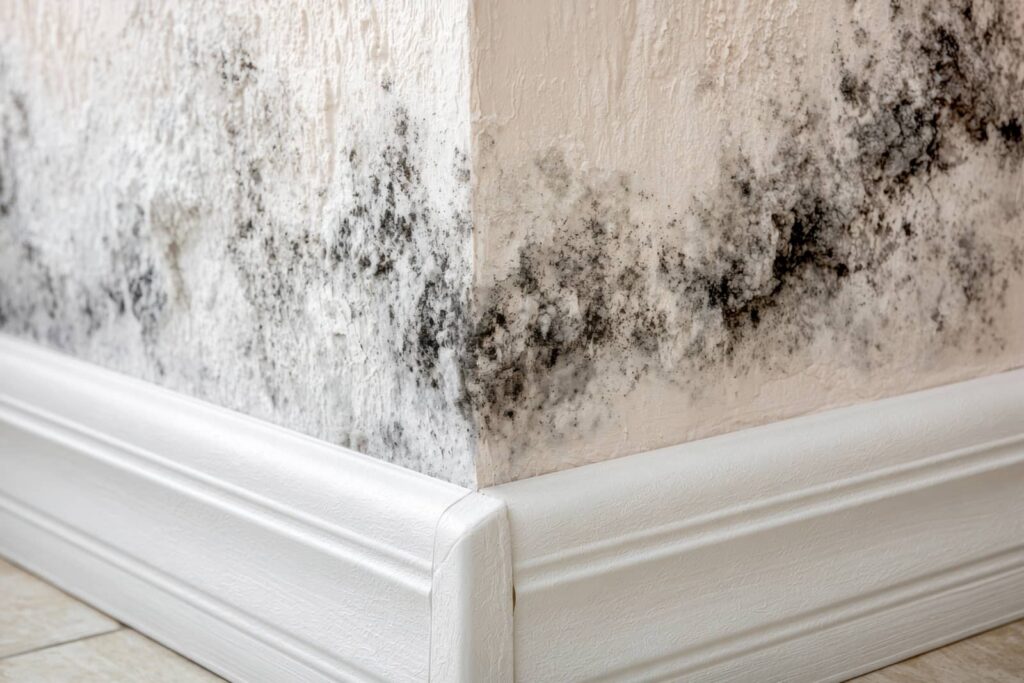
Check for musty areas and note mold types by appearance, such as fuzzy, powdery, or slimy growth, because each pattern can affect remediation choices.
Wear proper PPE and avoid disturbing debris while you evaluate.
If damage extends into insulation, drywall, or porous finishes, plan for removal rather than surface cleaning.
A careful assessment helps you stay aligned with other homeowners and make confident, informed decisions.
Find the Source of Smoke and Moisture
Once you’ve mapped the visible damage, trace where the smoke and moisture started so you can stop the source and prevent recontamination. You’re part of a crew that solves the problem at its origin.
Use moisture detection tools to confirm hidden leaks, condensation, or capillary intrusion, then document the affected zones before you intervene. Identify smoke sources by checking HVAC returns, attic voids, appliance flues, electrical failures, and nearby fire exposure.
- Inspect supply and return pathways.
- Test framing, subfloors, and insulation.
- Verify roof, plumbing, and window seals.
- Isolate active airflow or water entry.
When you locate the source, shut it down, then recheck humidity and odor patterns. This keeps your cleanup controlled, accurate, and aligned with the standards your team can trust.
Clean Soot From Walls and Surfaces
Start by cleaning soot from walls and hard surfaces with the least aggressive method that removes residue without spreading it. You should vacuum loose particles with a HEPA-equipped tool, then use a dry soot sponge in straight passes.
Work top to bottom so you don’t recontaminate cleaned areas. For nonporous paint, mix a mild alkaline cleaner with warm water and wipe using lightly damp microfiber cloths, changing cloths often.
Test each surface first to confirm colorfastness and finish stability. Avoid saturating drywall, trim, or electronics. If staining remains, repeat soot removal with fresh sponges before liquid surface cleaning.
Keep your area organized, and you’ll protect shared spaces while restoring clean, dependable surfaces.
Remove Mold Safely and Dry the Area
After soot removal, inspect for any mold growth and address it immediately with safe containment and drying. You should seal the work zone, wear gloves, and use an N95 respirator before you begin mold removal.
Remove affected porous materials you can’t salvage, then clean hard surfaces with detergent and water. Keep your team aligned by working methodically and avoiding cross-contamination.
- Isolate the area with plastic sheeting.
- Bag debris and discard it promptly.
- Apply drying techniques with fans and dehumidifiers.
- Verify that surfaces feel dry before reopening.
You’ll protect the space and support a cleaner recovery when you monitor moisture closely. Precision matters here; thorough cleanup and controlled drying help you restore confidence in the room without unnecessary delay.
Neutralize Odors and Prevent Regrowth
To neutralize lingering soot or mold odors, apply an odor-absorbing treatment only after the area is fully dry and free of visible residue.
You can use odor eliminating techniques such as activated charcoal, baking soda, or HEPA filtration to capture airborne particles and residual smell compounds.
Place moisture absorbing products in enclosed spaces to lower humidity and reduce the conditions mold needs to return.
Ventilate the area continuously, and keep indoor humidity below 60 percent.
If the source was porous material, inspect it for hidden contamination before sealing or replacing it.
You’ll protect your space and keep your household aligned on clean, healthy standards.
Recheck surfaces weekly for dampness, musty odor, or discoloration, and act immediately if you detect either.
Frequently Asked Questions
How Soon Should I Call a Professional After Smoke or Mold Damage?
Call a professional immediately after smoke damage or suspected mold remediation—ideally within 24 hours. You’ll reduce contamination, limit structural decay, and protect your home, while joining a community that values fast, informed recovery.
Can I Stay in My Home During Soot and Mold Cleanup?
You shouldn’t stay if contamination is active; prioritize home safety and follow the cleanup timeline your specialists set. If affected areas stay isolated, humidity stays controlled, and exposure is minimal, you might remain elsewhere in your home.
What Protective Gear Is Best for Minor Indoor Cleanup?
For minor indoor cleanup, you’ll want armor-like protective masks, the right gloves types, safety goggles, and strict cleanup procedures. You can’t afford shortcuts; choose N95s, nitrile gloves, sealed goggles, and keep your crew protected.
Are Air Purifiers Useful for Removing Lingering Smoke Odors?
Yes—air purifiers can help reduce lingering smoke odors and improve air quality, but you’ll get better odor removal with activated carbon plus proper ventilation. You’re part of the solution when you pair both.
How Do I Dispose of Contaminated Cleaning Materials Safely?
Seal contaminated materials in heavy-duty bags, label them, and use approved disposal methods per local regulations. You’ll protect your team and fit right in with safe cleanup practices by avoiding reuse, spills, and cross-contamination.
Summary
By now, you’ve traced the damage and cleared the worst of it, but one step remains critical: verify that every hidden source is gone. If even a trace of moisture lingers, mold can return fast, and soot odor can settle back in. Keep the area dry, ventilated, and monitored. Then apply odor absorbers and seal the recovery with low humidity. When you finish this final check, you won’t just clean the space—you’ll secure it.
Recent Posts
5 Steps for Flood Water Recovery
When floodwater enters your space, you need to act in a strict sequence. Flood Water
How to Restore Water Damage After Flood
After a flood, you’re facing more than a little cleanup, and your first move is
7 Smoke Odor Removal Tips After Water Damage
Smoke odor after water damage can linger in places you’d never think to inspect first.