
Contents
Have you ever considered how quickly mold can invade your home after flooding? It’s not just an unsightly problem; it poses serious health risks and can compromise your home’s structure. Using proven mold removal techniques is essential for eliminating spores and moisture effectively. But what methods are most effective, and how can you ensure a safe and thorough remediation process? Understanding the answers could save you from costly repairs down the line.
Key Takeaways
- Proven mold removal techniques effectively eliminate mold spores, reducing health risks associated with respiratory issues and skin irritations.
- Swift action using these techniques prevents mold from compromising the structural integrity of your home.
- Timely remediation minimizes repair costs and complications, saving homeowners money in the long run.
- Techniques like HEPA vacuuming and chemical treatments ensure thorough mold removal and contamination control.
- Utilizing these methods within 24 to 48 hours post-flooding is crucial for effective moisture management and mold prevention.
Understanding the Risks of Mold Growth After Flooding
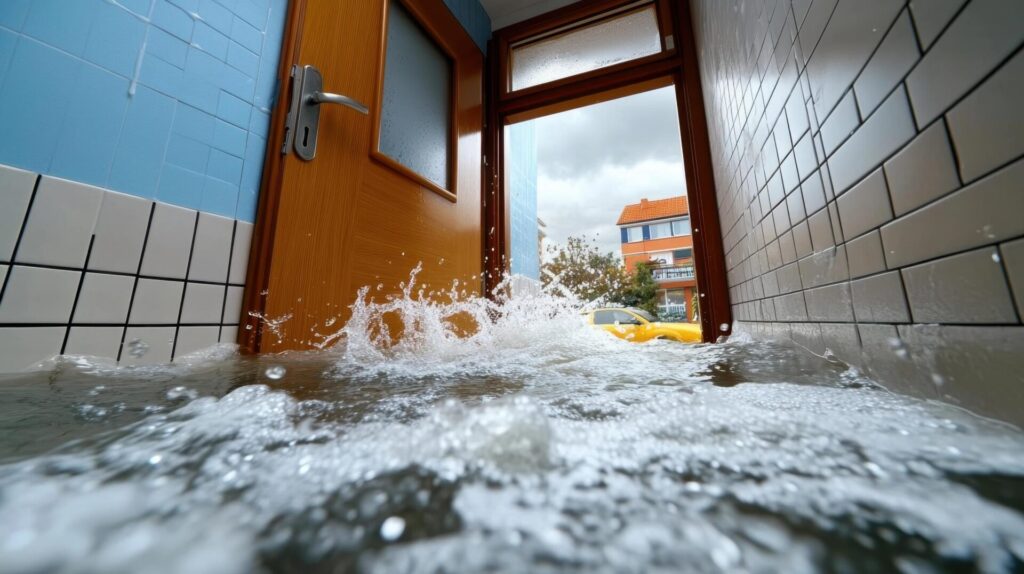
When you experience flooding, you must recognize that the damp conditions create an ideal environment for mold growth. Mold spores thrive in areas where moisture control is lacking, which typically occurs after water damage.
Once mold spores land on wet surfaces, they can quickly proliferate, posing health risks and damaging your property.
To mitigate these risks, it’s essential to act swiftly. Make certain that any standing water is removed and that affected areas are thoroughly dried within 24 to 48 hours.
Employ dehumidifiers and fans to enhance moisture control, reducing humidity levels that encourage mold development.
Regularly inspect hidden spaces like basements and behind walls, as mold often lurks in unnoticed areas.
The Importance of Swift Mold Removal
When flooding occurs, addressing mold growth quickly is essential to protect your health and your property.
Delaying removal can lead to serious health risks and significant structural damage, which could result in higher repair costs.
Health Risks Involved
Although mold may seem like a minor inconvenience, its presence after flooding poses serious health risks that shouldn’t be underestimated. Mold can lead to a variety of mold-related illnesses and trigger allergic reactions, making swift removal essential.
Consider the following risks:
Respiratory issues: Breathing in mold spores can cause ongoing respiratory problems.
Skin irritations: Direct contact may lead to rashes and other skin issues.
Weakened immune system: Prolonged exposure can compromise your health, especially for vulnerable individuals.
Ignoring mold can escalate health concerns, prolong recovery, and affect your overall well-being.
Structural Damage Prevention
Mold poses health risks and threatens the structural integrity of your home. When water damage occurs, mold can develop rapidly, compromising essential materials like wood and drywall.
As it spreads, it breaks down these materials, leading to costly repairs and potential safety hazards. Swift mold removal is vital to maintain your home’s structural integrity.
Addressing moisture issues promptly ensures that moisture barriers remain effective, preventing further mold growth. If you delay removal, you risk extensive damage and a more complicated remediation process.
Cost-Effective Solutions
Swift mold removal isn’t just about maintaining aesthetics; it’s also a financially savvy decision. By addressing mold issues promptly, you can save yourself from costly repairs and health issues down the line.
Choosing affordable solutions and budget-friendly methods can make a significant difference in your overall expenses.
- Prevent long-term structural damage that leads to expensive renovations.
- Avoid potential health risks that could result in medical bills.
- Maintain your property’s value, ensuring you don’t lose out when it comes time to sell.
Investing in swift mold removal safeguards your living environment and protects your financial future.
Proven Techniques for Effective Mold Remediation
When dealing with the aftermath of flooding, implementing effective mold remediation techniques is essential to safeguarding your health and property. Start with mold testing to identify the type and extent of contamination. Once you know what you’re dealing with, you can choose the appropriate remediation techniques.
Here’s a quick overview of proven methods:
| Technique | Description | Recommended Use |
|---|---|---|
| HEPA Vacuuming | Removes mold spores from surfaces | After initial cleaning |
| Chemical Treatments | Uses biocides to kill mold | For porous materials |
| Drying and Dehumidifying | Reduces moisture levels | Immediately post-flooding |
| Encapsulation | Seals in the mold to prevent the spread | For hard-to-remove mold |
Essential Equipment for Mold Removal
After implementing proven mold remediation techniques, having the right equipment is key to ensuring thorough mold removal. Without essential tools, you risk leaving behind hidden spores that could lead to future health problems and property damage.
Here are three vital items you’ll need:
HEPA Vacuum: This powerful vacuum captures mold spores and prevents them from being released back into the air.
Moisture Meter: Accurately measuring moisture levels helps you identify areas at risk for mold growth, allowing for targeted removal.
Protective Gear: Gloves, masks, and goggles protect you from exposure to harmful mold spores and chemicals.
Equipping yourself with these essential tools enhances the efficiency of your mold removal efforts and ensures a safer environment for you and your family.
Investing in the right equipment is a critical step in reclaiming your space from mold after flooding.
Safety Precautions During the Mold Removal Process
While tackling mold removal, prioritizing safety precautions is essential to protect yourself and others from potential health risks. Start by wearing personal protective equipment (PPE), including gloves, goggles, and an N95 respirator, to minimize exposure to mold spores.
Ensure you have adequate ventilation in the work area to reduce airborne contaminants.
Next, implement mold containment measures to prevent spores from spreading to unaffected areas. Use plastic sheeting to seal off doorways and vents, and create a negative pressure environment if possible. This containment will help you manage the mold more effectively while safeguarding your health.
Additionally, avoid using fans to dry moldy areas, as this can disperse spores further. Instead, use dehumidifiers and air scrubbers.
Regularly dispose of any contaminated materials in sealed bags to minimize cross-contamination risks. Following these safety precautions allows you to approach mold removal confidently and effectively.
Professional vs. DIY Mold Removal Methods
When it comes to mold removal, weighing professional services against DIY methods is essential.
Professionals bring expertise and specialized equipment that can ensure effective and safe removal, while DIY approaches may lack these advantages.
Understanding the differences in experience and safety measures can help you make an informed decision.
Expertise and Experience
Though tackling mold removal might seem like a manageable DIY project, the complexity and potential health risks associated with mold infestations often necessitate professional expertise.
Understanding mold identification techniques is essential, as specific strains can lead to severe health issues. Professionals bring invaluable experience and knowledge, ensuring that mold is removed and prevented from returning.
Consider these emotional factors:
- The anxiety of living in a mold-infested space
- The potential health risks to your family
- The financial burden of future repairs
Equipment and Safety
To effectively tackle mold removal, understanding the right equipment and safety measures is essential, whether you opt for professional help or a DIY approach.
Professionals use advanced removal tools like HEPA vacuums and antimicrobial sprays, ensuring thorough mold eradication. If you’re going the DIY route, you’ll need basic tools such as brushes, scrapers, and sponges, along with effective cleaning solutions.
Regardless of the method, always prioritize safety. Wear protective gear, including gloves, masks, and goggles, to shield yourself from mold spores and harmful chemicals.
Proper ventilation is also vital during the removal process. By equipping yourself with the right tools and adhering to safety protocols, you can effectively manage mold issues while minimizing health risks.
Long-term Mold Prevention Strategies
While no one can completely eliminate the risk of mold after flooding, implementing long-term prevention strategies can greatly reduce its likelihood.
Focusing on long-term maintenance and regular preventive measures is essential for keeping your space mold-free. Here are a few strategies to take into account:
Regularly inspect and repair plumbing leaks to prevent moisture accumulation.
Ensure proper ventilation in basements and attics to maintain dry air circulation.
Use mold-resistant products in high-risk areas, such as bathrooms and kitchens.
The Role of Humidity Control in Mold Management
Humidity control plays an essential role in mold management, as elevated moisture levels create an ideal environment for mold growth. By maintaining appropriate humidity levels, you can greatly reduce the likelihood of mold infestations. Effective dehumidification techniques prevent mold and improve indoor air quality.
Here’s a quick overview of key factors in humidity control:
| Factor | Importance |
|---|---|
| Humidity Levels | Should be kept below 60% |
| Dehumidifiers | Essential for moisture removal |
| Ventilation | Helps circulate fresh air |
| Temperature Control | Warmer air holds more moisture |
| Regular Monitoring | Ensures that humidity stays balanced |
Final Thoughts
In the battle against mold after flooding, remember that “an ounce of prevention is worth a pound of cure.” By using proven mold removal techniques and acting swiftly, you protect your health and safeguard your home from extensive damage. With the right equipment and safety measures, you can effectively eliminate mold and prevent its return. Staying proactive about humidity control ensures a healthier living environment and reduces future risks associated with mold growth.
Recent Posts
5 Best Odor Removal After Flood Damage
If you’re dealing with flood odor, Odor Removal starts with tracing the source rather than
Smoke Odor Removal After Flood Damage
After a flood, smoke odor can actually get stronger because water drives soot deeper into
7 Tips for Removing Smoke Odor After Flooding
After flooding, Removing Smoke Odor requires a methodical cleanup plan because smoke odor can linger