
Contents
After water damage, you might notice certain signs that indicate the presence of black mold in your home. Visible growth often appears as dark patches with a fuzzy texture, while discoloration on surfaces may also be present. Additionally, a persistent musty odor can signal mold issues. Understanding these indicators is vital, as mold can pose significant health risks. But what should you do once you identify these signs?
Key Takeaways
- Look for visible growth, which appears as dark patches ranging from black to green or gray, often fuzzy or slimy.
- A persistent musty odor in the area can indicate mold presence resulting from decomposed organic materials.
- Discoloration on walls and ceilings can signal underlying mold issues after water damage.
- Inspect areas prone to moisture, such as attics, basements, bathrooms, and kitchens, for signs of mold.
- Monitor for symptoms like coughing, sneezing, and skin irritation, which may indicate exposure to mold.
Understanding Black Mold and Its Risks
Although you mightn’t see it right away, black mold can pose serious health risks after water damage occurs in your home. Understanding the potential toxic mold effects is vital for maintaining a safe living environment.
Black mold thrives in damp areas, and even small amounts can release spores that affect your respiratory health. You might experience symptoms like coughing, sneezing, or skin irritation without realizing that mold is the cause.
Implementing effective mold prevention strategies is key to avoiding these risks. Regularly inspect your home for leaks and moisture buildup, especially in basements and bathrooms. Use dehumidifiers to control humidity levels and ensure proper ventilation.
It’s also essential to act quickly after any water damage; drying out affected areas within 24-48 hours can prevent mold growth. By staying proactive, you can protect your home and your family’s health from the dangers of black mold.
Visible Signs of Black Mold Growth
Identifying visible signs of black mold growth is essential for addressing potential health hazards in your home. Look for dark patches that can range from black to green, or even gray. These mold color variations can indicate the presence of black mold, especially if you notice them in damp areas like bathrooms or basements.
Pay attention to any fuzzy or slimy textures, which often accompany mold growth. Additionally, check for discoloration on walls and ceilings, as these can signal underlying mold issues.
It’s vital to act quickly if you spot these signs, as effective mold remediation techniques can help mitigate health risks and prevent further damage. If you’re unsure, consulting a professional can provide reassurance and guidance.
Musty Odors as an Indicator
Alongside visible signs of black mold, musty odors can serve as a strong indicator of mold presence in your home. If you notice persistent musty scents, it’s crucial to investigate further.
These odors typically arise from the decomposition of organic materials, often in damp areas where mold thrives.
Odor sources can include hidden leaks, water-damaged walls, or areas with poor ventilation. When moisture lingers, it creates an ideal environment for mold spores to grow, releasing those distinct musty smells.
To address this issue, trust your senses; if a space feels damp or smells off, take action.
Consider checking for hidden leaks, inspecting areas like basements or attics, and ensuring proper ventilation. By being proactive about musty odors, you protect your home and create a healthier living environment for yourself and your loved ones.
Water Damage Areas Most Prone to Mold
Water damage can occur in various areas of your home, but some spots are particularly susceptible to mold growth.
Attics and basements, along with bathrooms and kitchens, often face high humidity and moisture, making them prime candidates for black mold.
Identifying and addressing water issues in these locations is essential to preventing mold infestations.
Attics and Basements
While many homeowners focus on visible signs of water damage, attics and basements often harbor hidden threats, making them prime locations for mold growth.
Poor attic ventilation can trap moisture, creating an ideal environment for mold spores to thrive. If your attic isn’t adequately ventilated, it’s essential to assess it regularly.
Similarly, basements with insufficient insulation can lead to condensation build-up, further promoting mold development.
Inspect these areas for dampness, musty odors, or discoloration, as these can be early indicators of mold issues.
By addressing ventilation in attics and ensuring proper insulation in basements, you can greatly reduce the risk of mold, protecting both your home and your family’s health.
Don’t overlook these critical spaces!
Bathroom and Kitchen
Because bathrooms and kitchens are frequently exposed to moisture from showers, cooking, and plumbing leaks, they’re among the most susceptible areas for mold growth in your home.
Poor bathroom ventilation can trap humidity, creating a perfect environment for mold spores to thrive. To combat this, make certain that your bathroom has adequate ventilation, using exhaust fans and opening windows when possible.
In the kitchen, maintaining cleanliness is essential; spills and food residues can attract mold. Regularly clean surfaces and check for leaks under sinks or appliances.
By being proactive about bathroom ventilation and kitchen cleanliness, you can greatly reduce the risk of mold growth, protecting both your home and your family’s health.
Stay vigilant in these important areas.
Health Symptoms Associated With Black Mold Exposure
Exposure to black mold can lead to a range of health symptoms that vary in severity depending on individual sensitivity and the extent of exposure. You might experience allergy symptoms, respiratory issues, or skin irritations. It’s crucial to recognize these symptoms early to prevent further complications.
Here’s a table summarizing common health symptoms associated with black mold exposure:
| Symptom | Description | Severity Level |
|---|---|---|
| Coughing | Persistent dry cough | Mild to Moderate |
| Sneezing | Frequent sneezing fits | Mild |
| Skin Rashes | Itchy, red skin irritation | Moderate |
| Headaches | Chronic or frequent headaches | Moderate to Severe |
| Fatigue | Unexplained tiredness | Moderate |
Understanding these mold health implications can help you avoid long-term effects. If you notice these symptoms, consider consulting a healthcare professional for appropriate guidance.
The Role of Humidity in Mold Growth
Humidity plays an essential role in mold growth, as it creates an environment where mold spores can thrive.
To effectively manage humidity and prevent mold, consider these key factors:
Maintain Indoor Humidity Levels: Aim for indoor humidity between 30% and 60%. Use a hygrometer to monitor levels.
Use Dehumidifiers: Especially in damp areas like basements, dehumidifiers can help control moisture and reduce mold risk.
Ventilate Properly: Ensure bathrooms, kitchens, and laundry rooms are well-ventilated to dissipate humidity from daily activities.
Inspecting for Hidden Mold in Your Home
When you’ve experienced water damage, it’s essential to inspect your home for hidden mold, as it can develop in places that are not immediately visible. Mold thrives in areas with hidden moisture, making thorough mold inspection vital. Here’s a table to help you identify potential problem areas:
| Area to Inspect | Signs of Hidden Mold | Recommended Actions |
|---|---|---|
| Behind Walls | Musty odor, discoloration | Use a moisture meter, cut open the drywall |
| Under Sinks | Water stains, dampness | Check plumbing, clean regularly |
| Attics and Basements | Condensation, mold spores | Improve ventilation, seal leaks |
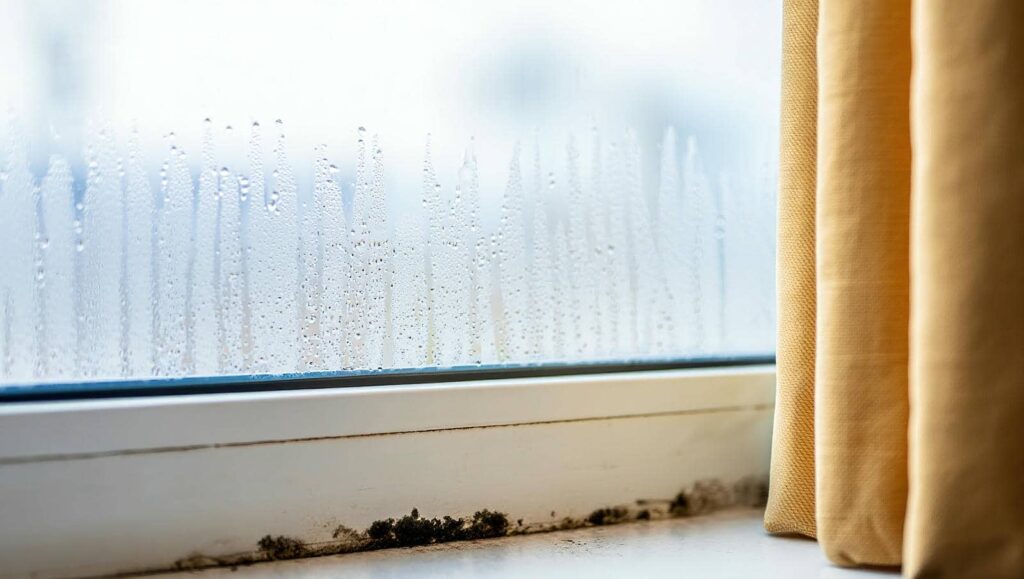
| Around Windows | Foggy glass, peeling paint | Inspect seals, use dehumidifiers |
Steps to Take if You Suspect Black Mold
If you suspect black mold in your home, start by identifying any related symptoms, such as respiratory issues or a musty odor.
Next, contain the affected area to prevent further spread, ensuring that you avoid disturbing the mold more than necessary.
Finally, seek professional help to properly assess and remediate the situation, as black mold can pose serious health risks.
Identify Mold Symptoms
How can you tell if black mold has taken hold in your home? Recognizing symptoms is vital for your health and safety. Here are some mold identification techniques to help you:
Visible Growth: Look for black, green, or white patches on walls, ceilings, or damp areas.
Musty Odor: A persistent, earthy smell often indicates mold presence, even if you can’t see it.
Health Effects: Pay attention to symptoms like coughing, sneezing, or skin irritation, which might worsen in affected areas.
If you notice any of these signs, it’s important to take action quickly.
Understanding these symptoms can help you maintain a safe environment for you and your loved ones.
Contain the Affected Area
Noticing the signs of black mold means it’s time to act swiftly to contain the affected area and prevent further spread. Begin by isolating the area to limit exposure. Use plastic sheeting to seal doorways and vents, creating a containment zone. Confirm that all windows are closed to prevent airflow.
| Step | Action | Purpose |
|---|---|---|
| Assess | Identify the affected area | Determine scope |
| Isolate | Seal the area with plastic sheeting | Prevent mold spread |
| Ventilate | Turn off HVAC systems | Reduce airborne spores |
| Wear PPE | Use gloves and masks | Protect yourself |
| Monitor | Check for additional moisture | Confirm no further damage |
Taking these steps helps confirm effective mold containment and keeps your environment safe.
Seek Professional Help
When you suspect black mold in your home, seeking professional help is crucial for effective remediation. A professional assessment will identify the extent of contamination and ensure your safety.
Here are the steps to take:
Contact a Mold Specialist: Find a certified mold remediation expert who can provide a thorough evaluation and treatment plan.
Schedule an Inspection: Allow the professional to assess the affected areas, using specialized equipment to detect hidden mold.
Follow Their Recommendations: Based on their findings, follow the expert’s advice for mold remediation, including any necessary repairs and preventive measures.
Frequently Asked Questions
Can Black Mold Grow in Cold Temperatures?
Yes, black mold can grow in cold temperatures, though its growth rate slows. Temperature effects play a significant role in mold proliferation; even chilly environments can foster cold mold growth if moisture is present.
How Long Does It Take for Black Mold to Grow?
Like a thief in the night, black mold growth can begin within 24 to 48 hours after water damage. Understanding these water damage effects helps you act quickly, preventing a more serious issue from developing.
Is Black Mold Always Black in Color?
Black mold isn’t always black; it can appear in various colors, including green, gray, or even white. Understanding black mold colors aids in mold identification, helping you recognize potential issues in your environment effectively.
Can I Remove Black Mold Myself?
You can attempt DIY mold removal, but it’s essential that you follow mold safety precautions. Ensure proper ventilation, wear protective gear, and use effective cleaning solutions. Always assess the extent of the infestation before deciding to proceed.
Do Certain Materials Promote Black Mold Growth?
Certain materials, like wood materials and porous surfaces, can indeed promote black mold growth. Their ability to retain moisture creates an ideal environment for mold spores to thrive, making prevention and maintenance essential for your space.
Final Thoughts
Being vigilant about the signs of black mold after water damage can save you from health hazards and costly repairs. Like a silent intruder, mold can creep into your home, thriving in damp corners. By regularly inspecting your living spaces and addressing moisture issues, you can keep your environment safe and sound. If you suspect mold growth, act swiftly to protect your health and home from its insidious grasp.
Recent Posts
How to Extract Flood Water Fast
When you need to Extract Flood Water Fast, you need to act quickly, but not
5 Best Odor Removal After Flood Damage
If you’re dealing with flood odor, Odor Removal starts with tracing the source rather than
Smoke Odor Removal After Flood Damage
After a flood, smoke odor can actually get stronger because water drives soot deeper into