
Contents
Storm damage restoration is like piecing together a shattered mirror; every fragment needs careful consideration. When faced with the aftermath of a storm, you must assess the extent of the damage while prioritizing your safety. Documenting everything is vital for insurance claims, but it’s only the beginning. Understanding how to mitigate water damage and prevent mold growth can make a significant difference in your recovery process. What comes next is important for your home and peace of mind.
Key Takeaways
- Conduct a thorough damage evaluation and document all affected areas with photos and notes for insurance claims and future reference.
- Ensure safety by assessing structural integrity and using personal protective equipment during the recovery process.
- Mitigate water damage by identifying sources of leaks, extracting water, and employing dehumidifiers to prevent mold growth.
- Engage licensed contractors for repairs, ensuring compliance with local building codes and obtaining multiple quotes for best service.
- Restore personal property by evaluating salvageability, documenting damages for insurance, and seeking emotional support during the recovery journey.
Assessing the Extent of Storm Damage
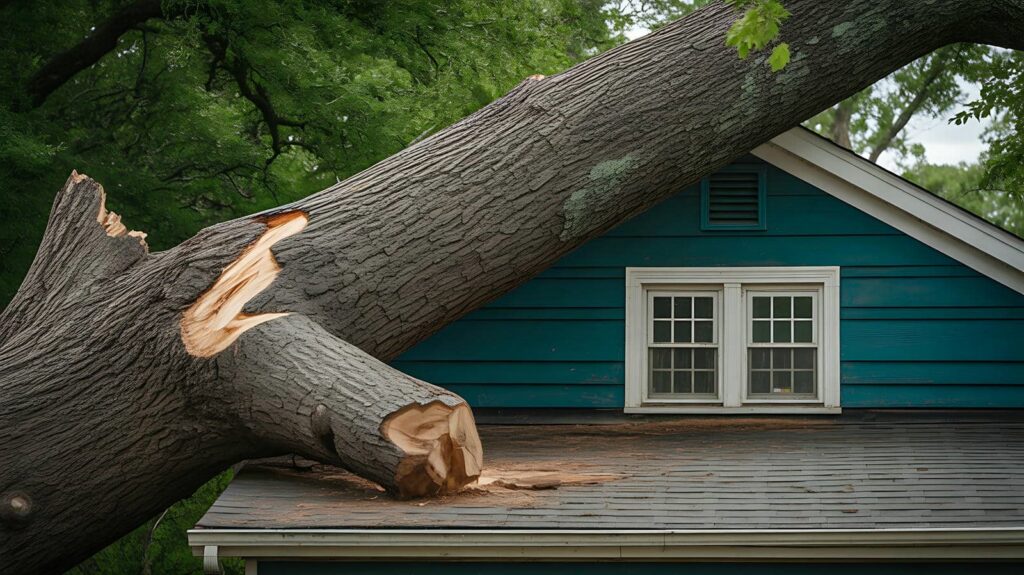
How can you effectively gauge the damage after a storm? Start by conducting a thorough damage evaluation of your property. Walk around the exterior, looking for signs of storm impact, such as missing shingles, broken windows, or fallen trees. Document everything with photos or notes; this will help you communicate with professionals later.
Inside, check for leaks, mold, or structural issues that may not be immediately visible. Pay attention to your belongings; water damage can affect personal items, and understanding the extent of this can ease your mind.
It’s essential to recognize that evaluating storm damage isn’t just about physical structures; it’s about your emotional well-being too. Connecting with neighbors can provide a sense of community support, as many are likely experiencing similar challenges.
Prioritizing Safety and Health Risks
When tackling storm damage, your first priority should be evaluating structural integrity to ensure safety.
Identifying hazardous materials is essential since exposure can lead to serious health risks.
Equip yourself with the right personal protective equipment to safeguard your well-being as you navigate the recovery process.
Assessing Structural Integrity
Evaluating structural integrity after a storm is essential for ensuring safety and mitigating health risks. You need to conduct thorough structural assessments to identify any damage that could compromise your home’s stability.
Look for cracks in walls, leaning structures, or compromised foundations, as these can indicate serious issues. Integrity evaluations should be methodical; take your time and consider enlisting professionals if you’re unsure.
Remember, your well-being and that of your loved ones depend on a safe environment. As you assess, stay connected with neighbors and share insights—this builds trust and a sense of community.
Together, you can navigate the recovery process, ensuring that everyone feels supported and secure as you restore your homes and lives.
Hazardous Material Identification
Identifying hazardous materials in the aftermath of a storm is essential for protecting your health and safety.
After a storm, you may encounter debris that could contain harmful substances like asbestos, mold, or chemicals from damaged containers. It’s critical to assess your surroundings carefully and follow established safety protocols to mitigate risks.
Pay attention to signs of water damage, which can lead to mold growth, and avoid touching or disturbing any suspicious materials. If you’re unsure, consult with professionals who can assist in identifying and safely removing these hazardous materials.
Personal Protective Equipment
After evaluating hazardous materials, the next step in storm damage restoration involves prioritizing your safety through the use of personal protective equipment (PPE).
Wearing the right protective gear is essential for compliance and for your well-being. Think about gloves, masks, and goggles that shield you from debris and contaminants.
By following established safety protocols, you reduce your risk of injury and foster a sense of community responsibility.
Remember, you’re not just protecting yourself; you’re also setting an example for others involved in the restoration process.
Embracing these practices creates a safer environment for everyone, allowing you to focus on the task at hand while building solidarity among your team.
Prioritize safety—it’s a shared commitment.
Documenting Damage for Insurance Claims
When a storm wreaks havoc on your property, documenting the damage accurately becomes essential for a smooth insurance claims process. Start by taking clear photographs of all affected areas, ensuring you capture both wide shots and close-ups. These images serve as crucial insurance documentation that supports your claim submission.
Make detailed notes about each damaged item or area, including the extent of the damage and any relevant circumstances surrounding the incident. If possible, gather estimates from contractors for repair costs, as this can strengthen your claim.
Keep a record of any communications with your insurance company, including names and dates. It’s important to remain organized and thorough, as this will help you navigate the claims process and provide peace of mind during a stressful time.
Implementing Water Damage Mitigation Techniques
When facing water damage, it’s essential to first assess the sources of water intrusion to effectively address the issue.
You’ll need to employ immediate water extraction methods to minimize further damage, followed by structural drying techniques to ensure your space returns to a safe and livable condition.
Understanding these strategies can make a significant difference in restoring your home and peace of mind.
Assessing Water Intrusion Sources
How can you effectively identify the sources of water intrusion in your property? Start by conducting a thorough inspection of your home’s exterior and interior.
Look for common water sources like roof leaks, damaged gutters, and cracks in walls or foundations. Pay close attention to areas around windows and doors, as these are often overlooked spots for intrusion detection.
Use tools like moisture meters to measure dampness in walls, which can indicate hidden leaks. Document your findings, as this will help you strategize your next steps for mitigation.
Immediate Water Extraction Methods
To effectively mitigate water damage, prompt water extraction is essential as it minimizes the potential for further destruction and mold growth.
You’ll want to act quickly, utilizing emergency response techniques that prioritize immediate water removal. Start by evaluating the affected areas and using pumps or wet vacuums to eliminate standing water. These methods help reduce moisture levels, which is vital for preventing lasting damage.
Don’t forget to remove any soaked materials, like carpets and furniture, as they can harbor mold. Engaging professionals can enhance your efforts, ensuring thorough extraction and minimizing your stress.
Structural Drying Techniques
After successfully extracting water, the next step in restoring your property is implementing effective structural drying techniques.
You’ll want to focus on dehumidification methods to reduce moisture levels, preventing mold growth and further damage. Using commercial dehumidifiers can speed up this process considerably.
Additionally, ensure proper air circulation by strategically placing fans around affected areas. This will help evaporate any remaining moisture trapped in walls, floors, and furniture.
Monitoring humidity levels is essential; aim for a relative humidity of around 30-60%.
Addressing Mold Prevention and Remediation
While storms can wreak havoc on your property, the aftermath often reveals hidden dangers, particularly mold growth. To protect your home and your family, it’s crucial to act swiftly.
Start by thoroughly inspecting damp areas, as mold can develop within 24 to 48 hours after water exposure. Utilize effective remediation techniques, such as removing contaminated materials and using dehumidifiers to dry out the space.
Consider employing an air scrubber to filter out airborne mold spores, ensuring cleaner air for your loved ones. It’s important to address any water leaks promptly to prevent future mold issues.
You’ll also want to keep humidity levels low by using exhaust fans and maintaining proper ventilation. By taking these steps, you’re not just restoring your property; you’re creating a safe environment that fosters well-being and connection for everyone who calls your home.
Repairing Structural Damage Effectively
When storms damage your home, addressing structural issues promptly is essential to confirm safety and prevent further deterioration.
Failing to act can lead to costly repairs and unsafe living conditions. Here are some key steps to review for effective structural restoration:
Assess Damage: Examine your home’s foundation, walls, and roof for visible issues. Look for cracks or bulging that might indicate deeper problems.
Consult Professionals: Engage licensed contractors familiar with local building codes. They can guide you on necessary foundation repairs and confirm compliance with regulations.
Prioritize Repairs: Focus on critical areas first to maintain stability. Secure any compromised structures before moving on to cosmetic fixes.
Restoring and Replacing Damaged Personal Property
Although storms can devastate your belongings, taking swift action to restore or replace damaged personal property can greatly ease your recovery process. Start by evaluating what can be salvaged. For items like furniture, consider professional furniture restoration services that specialize in repairing water-damaged or warped pieces. This saves money and helps retain sentimental value.
Next, catalog your damaged personal belongings for insurance claims. Document everything thoroughly—photos and descriptions will support your case. If replacement is necessary, prioritize essential items that impact your daily life first, such as clothing and kitchenware. Look into thrift stores or online marketplaces for affordable options.
Lastly, don’t underestimate the emotional impact of losing personal items. Take time to process this loss and reach out for support. Engaging with friends or community resources can make this challenging time more manageable as you rebuild your space and sense of security.
Wrap-Up
In the aftermath of a storm, your home stands like a tree stripped bare, yet it can blossom again with care and diligence. By prioritizing safety, documenting damage, and addressing water issues promptly, you can nurture your recovery. Each repair and restoration symbolizes resilience, turning chaos into a renewed sense of security. Remember, it’s not just about fixing structures; it’s about healing the heart of your home and fostering connections that support your journey back to normalcy.
Recent Posts
What Is Emergency Flood Cleanup?
Just when you need a flashlight, the basement starts filling with water, and that’s when
5 Tips for Emergency Flood Cleanup and Mold Remediation
Emergency Flood Cleanup is essential because after a flood, mold can start growing sooner than
5 Emergency Flood Cleanup and Mold Remediation Tips
When floodwater hits, you need to move fast, but you also need to move in