
Contents
When floodwater hits, you need to act fast to limit structural and health risks. Flood Water Damage Recovery should begin by stopping the source, then removing standing water and drying the area with fans and dehumidifiers. After that, disinfect all affected surfaces and monitor moisture levels closely, because mold can begin to take hold sooner than you might expect. The next step is where many recoveries succeed or fail, especially when hidden moisture remains.
Key Takeaways
- Stop the water source immediately and unplug unsafe circuits to prevent further damage.
- Remove standing water quickly with towels or a wet vac to limit saturation.
- Dry affected areas using fans, open windows, and dehumidifiers within 24 to 48 hours.
- Disinfect hard surfaces and replace contaminated porous materials to reduce mold risk.
- Wear protective gear and call professionals if water keeps rising or damage is extensive.
Stop Further Water Damage Quickly
As soon as it’s safe to enter, you should stop the water source and limit additional intrusion right away.
Shut off the main valve, unplug affected circuits only if you can do so safely, and move a few inches of standing water away from walls with towels or a wet vac.
Start water extraction quickly to reduce saturation and protect structural materials.
Then sort salvage belongings by urgency: take out dry electronics, documents, medications, and items with personal value first.
Keep family members together, wear gloves and boots, and work methodically so everyone stays oriented and calm.
If water is still rising, contact your utility, insurer, or a restoration team without delay.
Acting fast helps your household regain control and preserves more of what matters.
Dry Flooded Areas and Disinfect Surfaces
Open windows, run fans, and set up dehumidifiers to pull moisture out of floors, walls, and furniture as quickly as possible.
Use dehumidifying techniques that move air across wet areas and keep room temperature stable, so drying stays efficient.
Remove wet textiles, cushions, and small items, then wipe hard surfaces with clean cloths before applying a labeled disinfectant.
Follow the product’s contact time for reliable surface sanitization, and focus on counters, doorknobs, cabinets, and baseboards.
Wear gloves, keep the area ventilated, and replace dirty rinse water often.
Check hidden spots behind appliances and under furniture, since trapped dampness can slow recovery.
When you work methodically, you protect your home and help your space feel safe again.
Prevent Mold Growth After Flooding
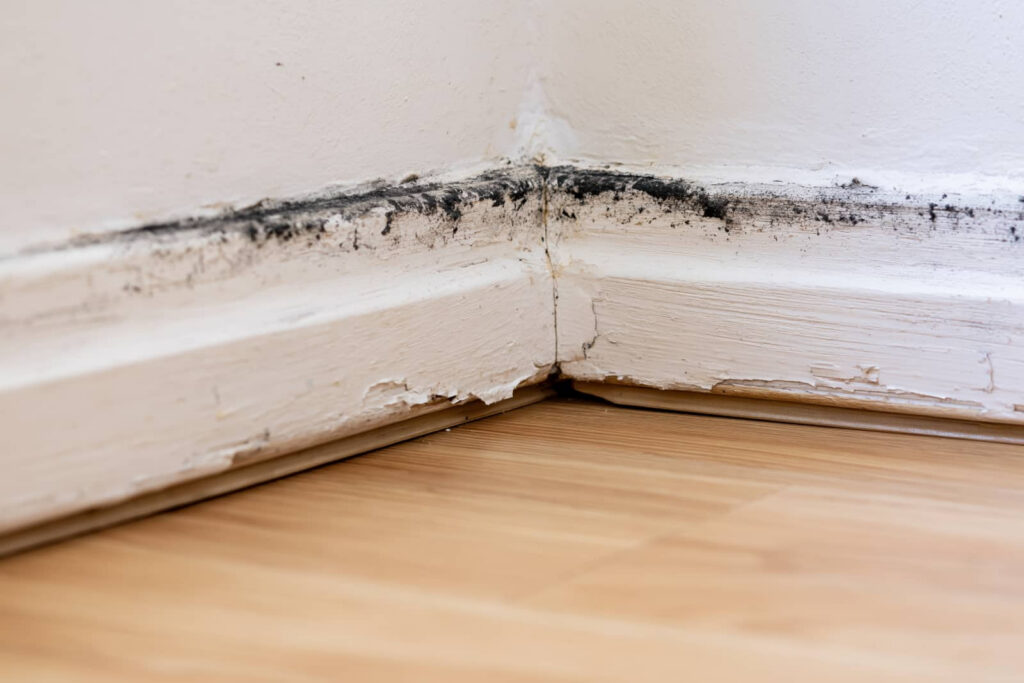
To prevent mold after flooding, dry every affected surface within 24 to 48 hours and keep indoor humidity low with fans, dehumidifiers, and steady ventilation.
You should remove wet insulation, carpet padding, and porous materials that can’t dry fully. Clean hard surfaces with detergent, then disinfect according to label directions.
Keep doors open when weather allows, and monitor humidity control with a hygrometer; aim for below 60%.
Inspect hidden spaces behind walls, under cabinets, and inside HVAC returns, because trapped moisture fuels growth.
Wear gloves, eye protection, and an N95 if you disturb debris. If you smell mustiness or see spotting, act fast.
Strong mold prevention protects your home and helps your household recover together, one careful step at a time.
Frequently Asked Questions
How Do I Document Flood Damage for Insurance Claims?
You’ll document flood damage by photographing everything, listing damaged items, saving receipts, and noting dates, amounts, and conditions. These flood recovery tips strengthen insurance documentation and help you feel supported while you file your claim.
Which Belongings Should I Discard After Flood Exposure?
Discard porous items, soaked mattresses, insulation, and contaminated food; flood losses involve contents. You should also discard flooded electronics and damaged textiles that can’t be thoroughly cleaned, dried, and disinfected safely.
When Should I Call a Professional Restoration Company?
You should call a professional restoration company if damage exceeds DIY repairs, water’s contaminated, or drying takes longer than expected. They’ll assess restoration timelines, prevent hidden mold, and keep your home safe, minimizing disruption and stress.
How Can I Check if Floodwater Contaminated My Drinking Water?
You can’t tell by sight alone; use water testing to confirm safety and identify contamination sources. If floodwater reached wells or pipes, boil advisories, discoloration, or odor warrant immediate professional testing, and you’ll protect your household.
What Financial Assistance Is Available After a Flood?
You can access government relief, FEMA aid, low-interest disaster loans, and flood insurance options to cover repairs, contents, and temporary housing. You’re not alone; document losses quickly, then apply promptly to maximize support.
Review
You can recover from flood water damage by acting fast and staying methodical. First, stop the water source and remove standing water right away. Then, dry flooded areas with fans and dehumidifiers, and disinfect all surfaces thoroughly. Finally, keep moisture under control to prevent mold growth, because damp materials can spread problems like wildfire. If you dry and clean within 24 to 48 hours, you’ll reduce damage and restore your space safely.
Recent Posts
5 Steps for Flood Water Recovery
When floodwater enters your space, you need to act in a strict sequence. Flood Water
How to Restore Water Damage After Flood
After a flood, you’re facing more than a little cleanup, and your first move is
7 Smoke Odor Removal Tips After Water Damage
Smoke odor after water damage can linger in places you’d never think to inspect first.