
Contents
You might wonder if all mold can be effectively removed after water damage. The truth is, successful mold remediation relies on specific techniques and thorough processes. From evaluating the extent of growth to ensuring proper ventilation, each step plays a critical role in preventing future infestations. Understanding these mold removal methods can safeguard your environment. What’s the best way to tackle this issue head-on and ensure your space remains mold-free?
Key Takeaways
- Identify and assess affected areas using moisture meters and visual inspections to determine the extent of mold growth after water damage.
- Wear appropriate protective gear, including masks and gloves, to ensure personal safety during mold cleanup.
- Use natural remedies like vinegar or specialized mold removers to clean visible mold from surfaces effectively.
- Maintain good ventilation and utilize dehumidifiers to reduce moisture levels and expedite the drying process.
- Seek professional help if mold persists, ensuring advanced removal techniques and tailored prevention strategies for your home.
Assessing the Extent of Mold Growth
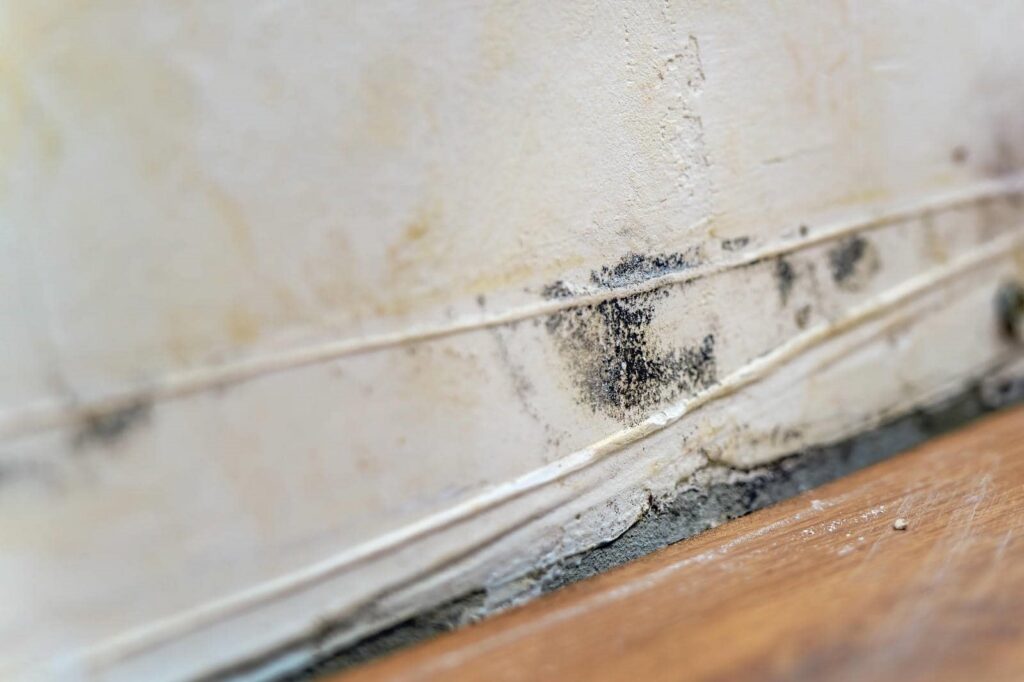
How do you determine the extent of mold growth in your environment? Start by employing effective mold identification techniques. Look for visible signs of mold on surfaces, such as dark patches or fuzzy growths.
Use a flashlight to inspect hidden areas, as mold often thrives in damp, dark places. Next, assess moisture levels in your environment. Utilize a moisture meter to check humidity levels in walls, ceilings, and floors, as high moisture content can indicate areas conducive to mold development.
It’s essential to monitor these levels regularly, especially after water damage incidents. Additionally, consider air quality tests that can reveal airborne mold spores, aiding in a thorough assessment.
Ensuring Personal Safety and Protection
When handling mold, you must prioritize your safety by wearing appropriate protective gear, such as gloves, masks, and goggles.
Additionally, ensuring proper ventilation in the work area is essential to minimize exposure to mold spores.
Taking these precautions will help protect your health during the removal process.
Protective Gear Essentials
Proper protective gear is essential for anyone tackling mold removal, as it safeguards your health and minimizes exposure to harmful spores.
Start with a high-quality protective mask, ideally one rated for mold spores, to ensure you’re breathing clean air. Safety goggles are equally important; they’ll protect your eyes from irritants that can cause discomfort or injury during the cleanup process.
Consider wearing gloves made from nitrile or latex to shield your skin from direct contact with mold. Long-sleeved clothing and sturdy boots can further minimize exposure.
By equipping yourself with the right protective gear, you’re ensuring your safety and fostering a sense of community responsibility in tackling mold issues effectively.
Stay safe and be proactive!
Ventilation Strategies Importance
While tackling mold removal, effective ventilation strategies play an essential role in ensuring your safety and protecting your health. You should prioritize both natural and mechanical ventilation to enhance air circulation and minimize mold spores.
Open windows and doors to promote natural ventilation, allowing fresh air to dilute contaminants. This simple action can considerably reduce indoor humidity levels, which is vital for mold prevention.
In situations where natural ventilation isn’t sufficient, mechanical ventilation systems, like fans or air purifiers, can help. These devices actively circulate air and filter out harmful particles, making your environment safer.
Containing the Affected Area
To effectively contain the affected area during mold removal, you must first seal off the space to prevent spores from spreading.
Implementing mold containment strategies and isolation techniques is essential. Here’s how you can create a secure environment:
- Use plastic sheeting to cover doorways and vents.
- Seal windows with tape to minimize airflow.
- Use airlocks for entry and exit points.
- Make sure all HVAC systems are turned off to avoid circulation.
- Employ a negative air pressure machine to filter out spores.
Removing Damaged Materials
Start by carefully removing any damaged materials, as these are often the primary sources of mold growth. Use proper removal techniques to ensure you minimize the risk of spreading mold spores.
Begin with drywall, insulation, or carpet that shows visible signs of water damage. Utilize a utility knife for precise cuts and wear protective gear, including gloves and a mask, to safeguard against inhaling spores.
Once you’ve removed the materials, place them in sealed plastic bags for safe material disposal. This prevents any airborne particles from escaping during transport.
Dispose of these bags according to local regulations, as improper disposal can exacerbate mold issues in your community.
Cleaning Surfaces With Mold
To effectively clean surfaces with mold, you first need to identify affected areas accurately.
Once you’ve pinpointed the mold-infested spots, choosing the right cleaning solutions is essential for eradication.
Always prioritize safety precautions to protect yourself during the cleaning process.
Identifying Mold-Infested Areas
While inspecting your home for mold, it’s crucial to focus on areas that are prone to moisture, as these are often the first to develop infestations.
Understanding mold types and employing effective detection methods can help you identify mold-infested areas quickly.
Look out for these signs:
- Visible mold growth on surfaces
- Musty odors that indicate hidden mold
- Water stains or discoloration on walls and ceilings
- Dampness or humidity in the air
- Peeling or bubbling paint and wallpaper
Effective Cleaning Solutions
A variety of effective cleaning solutions can help you tackle mold on surfaces and restore your home’s cleanliness.
For minor infestations, natural remedies like a mixture of vinegar and water can be highly effective. Simply spray it on the affected area, let it sit, and scrub with a brush.
For more stubborn mold, consider advanced techniques, such as using hydrogen peroxide or specialized mold removers that penetrate deeper into porous materials.
Always maintain good ventilation while cleaning to prevent further growth. Once the mold is removed, follow up with a disinfectant to eliminate spores.
Safety Precautions Required
When cleaning surfaces with mold, it’s crucial to prioritize safety to protect yourself from potential health risks.
Mold can produce allergens and irritants, so taking precautions is important. Here are some safety measures to take into account:
- Wear a mask to avoid inhaling spores.
- Use gloves to protect your skin from irritation.
- Ensure proper ventilation in the area.
- Remove and discard any contaminated materials safely.
- Follow mold prevention strategies to avoid future infestations.
Using Disinfectants and Mold Removal Products
Using disinfectants and mold removal products effectively requires understanding their specific applications and limitations. Different disinfectant types, such as bleach, hydrogen peroxide, and quaternary ammonium compounds, each have unique benefits and drawbacks.
For instance, bleach is powerful but can damage surfaces and should only be used on non-porous materials. On the other hand, hydrogen peroxide is less harsh and can penetrate porous materials, enhancing its product effectiveness against mold spores.
When selecting a mold removal product, always check the label for the active ingredients and recommended usage. Verify that the product is suitable for the specific surface you’re treating.
For best results, combine your chosen disinfectant with proper scrubbing techniques to remove mold thoroughly. Finally, remember to follow the manufacturer’s instructions regarding dilution and application to maximize your efforts in creating a mold-free environment.
Your commitment to using the right products will foster a healthier living space for you and your loved ones.
Drying Out the Area Thoroughly
To effectively dry out the area, you should use dehumidifiers to reduce moisture levels.
This will help eliminate residual dampness that promotes mold growth.
Additionally, improving air circulation will further expedite the drying process, ensuring a thorough removal of moisture.
Use Dehumidifiers Effectively
While moisture is the primary catalyst for mold growth, employing dehumidifiers effectively can greatly reduce humidity levels and dry out affected areas.
To achieve ideal moisture control, follow these key practices:
- Set your dehumidifier to the correct humidity levels (ideally between 30-60%).
- Position the unit in the center of the affected area for maximum efficiency.
- Regularly check and empty the water reservoir to prevent overflow.
- Maintain the dehumidifier by cleaning filters as per manufacturer instructions.
- Monitor the area’s humidity with a hygrometer to ensure consistent moisture control.
Improve Air Circulation
Improving air circulation is essential for effectively drying out areas affected by mold, as stagnant air can trap moisture and hinder the drying process.
To promote air flow, open windows and doors to create cross-ventilation. Use fans strategically to direct airflow towards damp areas, helping to evaporate moisture more efficiently. Verify that you’re using high-velocity fans for better results.
If possible, run your HVAC system to assist in circulating air throughout the space. Remember, increasing air circulation isn’t just about drying; it’s also about reducing mold spores in the environment.
Ventilating and Dehumidifying the Space
Effective ventilation and dehumidification are essential steps in mold removal, as excess moisture and stagnant air create an ideal environment for mold growth.
To improve air quality and achieve moisture control, you should take the following actions:
- Open windows and doors to promote airflow.
- Use exhaust fans in kitchens and bathrooms to reduce humidity.
- Invest in a high-capacity dehumidifier to extract moisture from the air.
- Keep HVAC systems running to circulate air throughout your home.
- Monitor humidity levels with a hygrometer, aiming for 30-60%.
Monitoring for Recurring Mold Growth
Monitoring for recurring mold growth is essential to ensure your home remains safe and healthy. To effectively manage this, you should regularly inspect areas prone to moisture, such as basements, bathrooms, and under sinks.
Pay close attention to mold growth patterns; early detection can prevent extensive damage.
Use a moisture meter to assess humidity levels, as high humidity can encourage mold proliferation. Environmental factors like temperature and ventilation also play a vital role in mold growth.
Make sure your home maintains a balanced environment, ideally between 30-60% humidity.
Implementing regular checks for visible mold or musty odors can help you identify issues before they escalate. If you notice any signs, act quickly to mitigate moisture and address the source.
Seeking Professional Help When Necessary
If you encounter persistent mold issues despite your best efforts to control moisture and monitor for growth, seeking professional help is a wise decision.
Mold specialists can provide the expertise needed to tackle severe infestations and prevent future issues. This expert consultation can be essential for ensuring your home is safe and healthy for you and your loved ones.
Consider these benefits of hiring professionals:
- Thorough assessment of mold extent
- Advanced removal techniques and equipment
- Safe handling of hazardous materials
- Prevention strategies tailored to your home
- Peace of mind knowing experts are on the job
Wrap-Up
Successful mold removal requires a systematic strategy. Start by securing safety and containing contamination, then tackle troublesome materials and treat surfaces effectively. Don’t underestimate the importance of drying, dehumidifying, and diligently directing airflow to prevent persistent problems. Regularly monitor for mold’s mischievous return, and don’t hesitate to seek professional support when situations spiral out of control. By following these steps, you can safeguard your space and ensure a healthier habitat.
Recent Posts
5 Tips for Emergency Flood Cleanup and Mold Remediation
Emergency Flood Cleanup is essential because after a flood, mold can start growing sooner than
5 Emergency Flood Cleanup and Mold Remediation Tips
When floodwater hits, you need to move fast, but you also need to move in
7 Best Solutions for Fire Damage Cleanup and Repair
A home after a fire is like a book with torn pages, each scar telling