
Contents
If you want to keep mold at bay, it’s vital to tackle moisture sources in your home. Start by evaluating areas that often get damp, like basements and bathrooms. Keeping indoor humidity levels in check is just as important. With simple strategies and a proactive approach, you can create a healthier living environment. But there’s more to it than that—let’s explore the essential mold prevention steps you can take.
Key Takeaways
- Maintain indoor humidity levels between 30% and 60% to prevent mold growth effectively.
- Use mold-resistant products like paints and building materials in moisture-prone areas.
- Regularly inspect and repair leaks in plumbing, roofs, and around windows to eliminate moisture sources.
- Ensure proper ventilation by using exhaust fans in bathrooms and kitchens during high-moisture activities.
- Monitor indoor plants and avoid overwatering to reduce excess moisture in the environment.
Assessing Water Damage and Identifying Mold-Prone Areas
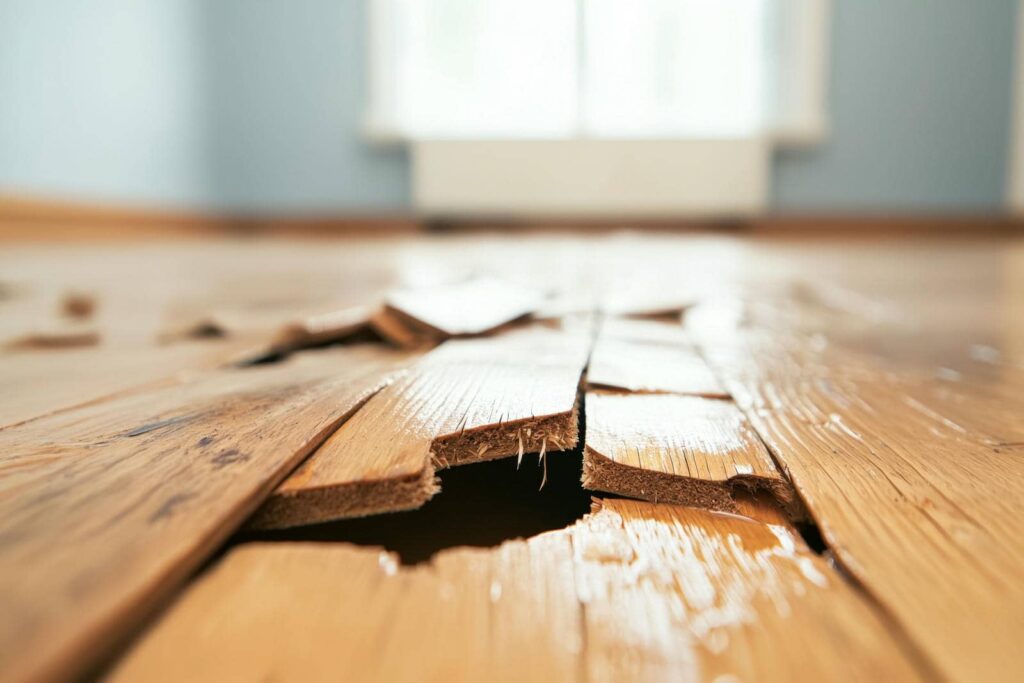
When you evaluate your home for water damage, it’s essential to act quickly, as even minor leaks can lead to considerable mold growth. Start your water damage evaluation by checking areas prone to moisture, like basements, bathrooms, and under sinks. Look for discoloration on walls or ceilings, which can indicate water intrusion.
Next, utilize effective mold inspection techniques. You can use a moisture meter to identify hidden damp areas that mightn’t be visible. Pay close attention to corners, behind appliances, and around windows, as these spots often trap moisture.
If you find any signs of water damage, address them immediately to prevent mold spores from taking hold. Repair leaks, improve ventilation, and consider applying mold-resistant paint in high-moisture areas.
Maintaining Proper Humidity Levels
Addressing water damage is just the first step in preventing mold; maintaining proper humidity levels is equally important. To keep mold at bay, aim for indoor humidity between 30% and 60%. You can measure this with a hygrometer, which helps you with humidity control. Below is a helpful table to guide your humidity management efforts:
| Humidity Level | Mold Growth Risk | Recommended Action |
|---|---|---|
| 0-29% | Low | Use a humidifier |
| 30-50% | Ideal | Maintain current levels |
| 51-60% | Moderate | Increase ventilation |
| 61-70% | High | Dehumidify and ventilate |
| 71%+ | Very High | Act immediately to reduce |
Ensuring Adequate Ventilation
Proper ventilation is essential for preventing mold growth, as it allows fresh air to circulate and helps reduce humidity levels. To ensure adequate ventilation in your home, start by maximizing natural airflow. Open windows and doors whenever possible, particularly during dry, sunny days. This simple step can considerably lower moisture levels and deter mold growth.
Consider installing exhaust fans in high-moisture areas like bathrooms and kitchens. These ventilation systems effectively remove humid air, keeping your spaces drier. Make sure to use these fans during and after cooking or showering.
Additionally, check that your home’s air ducts are clean and unobstructed, promoting efficient airflow. If you have a basement or attic, make sure they’re properly ventilated as well.
Sealing Cracks and Leaks
After ensuring good ventilation, the next step in mold prevention is sealing cracks and leaks throughout your home. Mold thrives in damp environments, and even small openings can allow moisture to seep in.
Start by inspecting areas like windows, doors, and the foundation for any visible gaps. Use a high-quality caulk for crack sealing around these areas to create a watertight seal.
Don’t forget to check plumbing fixtures and appliances, as leaks can often originate from these spots. If you notice any water stains or discoloration, address them immediately to prevent mold growth.
Additionally, consider using weatherstripping on doors and windows to enhance leak prevention. Taking these proactive steps keeps your home dry and greatly reduces the chances of mold taking hold.
Regular maintenance checks can help you stay ahead of potential issues, ensuring a healthier living environment.
Utilizing Mold-Resistant Products
When you’re looking to prevent mold growth in your home, utilizing mold-resistant products can make a significant difference.
Start by selecting mold-resistant paints for areas prone to moisture, like bathrooms and kitchens. These paints contain antimicrobial agents that inhibit mold spores from taking hold, keeping your walls fresh and safe.
Additionally, consider using mold-resistant building materials during renovations or new constructions. Products like mold-resistant drywall and cement board are designed to resist moisture and mold growth, providing a solid foundation for a healthier home.
You can also find mold-resistant insulation, which helps to prevent moisture buildup in your walls.
Regularly Cleaning and Disinfecting Surfaces
While it might seem tedious, regularly cleaning and disinfecting surfaces is essential for preventing mold growth in your home. Dust, dirt, and moisture create the perfect breeding ground for mold, so adopting effective cleaning techniques is vital.
Start by using a vacuum with a HEPA filter to remove dust and debris from carpets and upholstery. For hard surfaces, a simple mixture of water and mild detergent can do wonders.
Once surfaces are clean, follow up with appropriate disinfecting agents. Look for products that specifically state they kill mold spores. Bleach solutions and hydrogen peroxide are excellent options for tough areas like bathrooms and kitchens.
Don’t forget high-touch areas, like doorknobs and light switches, which can harbor germs and moisture. By establishing and maintaining a consistent cleaning routine, you’ll greatly reduce the risk of mold taking hold in your home.
Implementing a Regular Maintenance Schedule
To effectively prevent mold, you need a regular maintenance schedule that includes a seasonal inspection checklist.
Incorporate routine cleaning practices and humidity control measures into your plan.
This proactive approach helps you stay ahead of mold growth and keeps your living space healthy.
Seasonal Inspection Checklist
Implementing a seasonal inspection checklist is crucial for preventing mold growth in your home. As the seasons change, your home experiences different humidity levels and temperatures, making regular inspections important.
Schedule inspections at least four times a year—once per season—to catch potential mold issues early.
During these inspections, check areas prone to moisture, like bathrooms, basements, and around windows. Look for water stains, leaks, or dampness.
Pay attention to ventilation systems and verify they’re functioning properly, as stagnant air encourages mold growth.
Also, inspect your roof and gutters for debris that could trap moisture.
Routine Cleaning Practices
Establishing a regular maintenance schedule for routine cleaning can greatly reduce the risk of mold growth in your home.
By keeping surfaces clean and free from moisture, you’ll create an inhospitable environment for mold.
Here’s how to implement effective cleaning practices:
- Use appropriate cleaning supplies for different surface types, like vinegar for countertops and mold-specific cleaners for bathrooms.
- Schedule weekly dusting and vacuuming to eliminate spores.
- Clean spills immediately, especially on porous surfaces.
- Regularly check and clean behind appliances and furniture to prevent hidden moisture.
- Conduct monthly deep cleans to ensure all areas are addressed.
Sticking to this schedule will help you maintain a mold-free space and promote a healthier living environment.
Humidity Control Measures
Keeping your home clean is only part of the battle against mold; managing humidity levels plays a crucial role, too. To effectively control humidity, identify common humidity sources like bathrooms, kitchens, and basements.
Regularly check for leaks and fix them promptly. Use exhaust fans while cooking or showering to reduce moisture in the air.
Implement moisture barriers in areas prone to dampness, such as crawl spaces and exterior walls, to prevent humidity from seeping inside.
Consider using dehumidifiers in high-humidity areas, especially during humid months.
Establish a regular maintenance schedule, inspecting your home for signs of excess moisture and mold growth.
Installing a Dehumidifier
Since high humidity levels can create the perfect environment for mold growth, installing a dehumidifier is a practical step toward maintaining a healthier home.
The dehumidifier’s benefits are numerous, and with ideal placement, you can maximize its effectiveness.
Here are some essential tips for using a dehumidifier:
- Choose the right size: Make sure your dehumidifier can handle the square footage of the area.
- Ideal placement: Place it in the most humid areas, like basements or bathrooms.
- Regular maintenance: Clean the filters and empty the water tank frequently.
- Set the right humidity level: Aim for 30-60% humidity for best results.
- Monitor performance: Keep an eye on humidity levels to ensure your dehumidifier works efficiently.
Monitoring Indoor Plants and Soil Moisture
While indoor plants can enhance your living space, they also require careful monitoring of soil moisture to prevent mold growth. Proper plant care involves knowing when to water and when to let the soil dry out.
Overwatering is a common mistake that can lead to excess moisture in the soil, creating an ideal environment for mold.
To maintain healthy plants and prevent mold, regularly check the soil moisture. You can use your finger to feel the soil or invest in a moisture meter for more precise soil testing. Aim for a balance; most indoor plants prefer slightly moist soil but can’t tolerate soggy conditions.
Remember to choose pots with drainage holes to help excess water escape. If you notice mold on the soil surface, remove it promptly and adjust your watering routine.
Conclusion
By following these DIY prevention strategies, you can dramatically reduce the chances of mold taking hold in your home. Imagine stepping into a fresh, clean space where moisture and mold are no longer lurking in the shadows. With regular maintenance and vigilant monitoring, you can create an environment that’s mold-free and healthy for your family. So, take action now—your home’s well-being is just a few simple steps away from becoming a reality.
Recent Posts
Top Tips for Storm Damage Restoration at Home
Many homeowners experience some form of storm damage. When faced with such unexpected challenges, it’s
What Are Top Tips for Sewage Cleanup?
Is it really possible to effectively manage a sewage cleanup without proper preparation? Many underestimate
Effective Strategies for Sewage Cleanup and Restoration
When dealing with sewage cleanup and restoration, it’s imperative to approach the situation methodically. You’ll