
Contents
Mold is like a silent intruder, quietly spreading and causing damage. When faced with an emergency mold situation, you need a structured approach to effectively tackle the issue. Start by evaluating the extent of the growth, ensuring your safety with proper gear. Next, containment is vital. But how do you effectively eliminate moisture sources and clean surfaces to prevent future infestations? Understanding these steps is necessary for successful mold remediation.
Key Takeaways
- Identify mold presence through visual inspections and musty odors in moisture-prone areas like bathrooms and basements.
- Ensure personal safety by wearing appropriate PPE, including N95 respirators, gloves, and safety goggles.
- Contain the affected area with plastic sheeting and create negative air pressure to prevent mold spores from spreading.
- Remove moisture sources by fixing leaks and using dehumidifiers to maintain humidity levels between 30% and 60%.
- Clean and disinfect surfaces using water and detergent, then follow with EPA-registered disinfectants, ensuring thorough drying afterward.
Assessing the Extent of Mold Growth
When you suspect mold growth in your home, evaluating its extent is vital for effective remediation. Start with mold identification techniques, which include checking for musty odors and visible signs of mold on surfaces.
Use visual inspection methods, focusing on areas prone to moisture, such as bathrooms, basements, and around windows. Look for discoloration, peeling paint, or water stains that may indicate hidden mold.
Don’t forget to inspect behind furniture and appliances, as mold often grows in concealed spaces. If you find mold, take note of its size and the affected materials. This information is significant for determining the extent of contamination and the appropriate remediation strategy.
If the mold is widespread or you’re unsure about your findings, consider consulting a professional for a more thorough assessment. Accurate evaluation sets the foundation for effective mold remediation and helps ensure a healthier living environment.
Ensuring Personal Safety and Protection
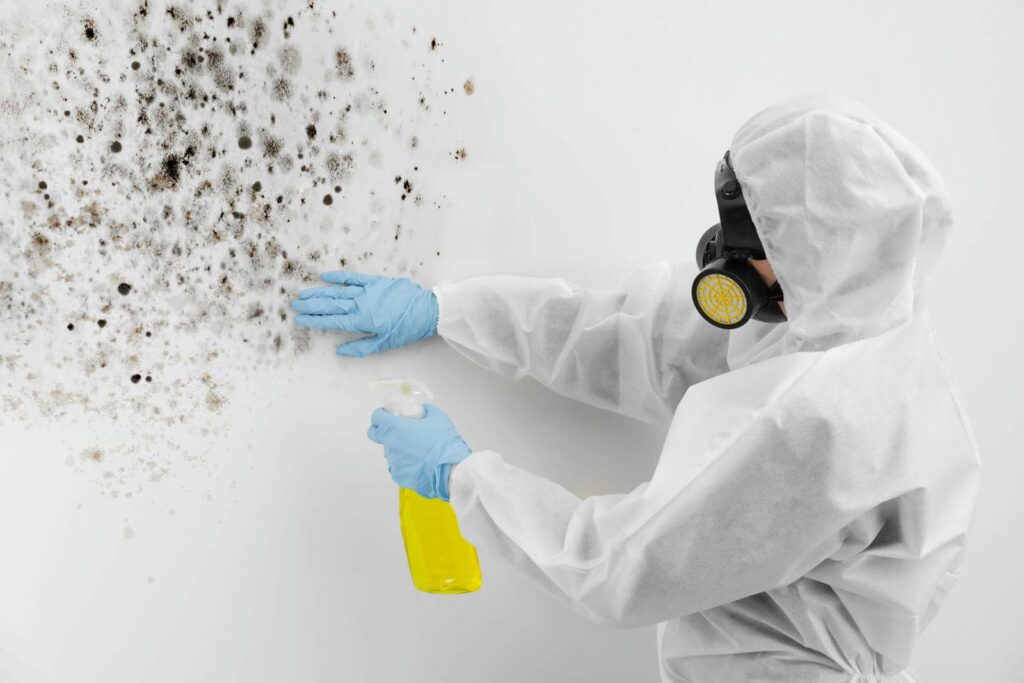
To ensure your safety during mold remediation, it’s essential to wear appropriate personal protective equipment (PPE). This includes protective gear that shields you from mold exposure, helping you follow necessary health precautions. Ascertain you have the following items:
| Protective Gear | Purpose | Recommended Type |
|---|---|---|
| N95 respirator | Filters airborne mold spores | NIOSH-approved |
| Gloves | Prevents skin contact | Nitrile or rubber |
| Safety goggles | Protects eyes from irritants | Anti-fog, snug fit |
| Disposable coveralls | Protects clothing and skin | Tyvek or similar material |
| Hard hat | Shields head from falling debris | ANSI Z89.1 compliant |
Wearing this protective gear reduces health risks and enhances your overall efficiency during the remediation process. Always prioritize your safety to ensure a successful mold removal effort.
Containing the Affected Area
After ensuring your safety with the proper protective gear, the next step involves containing the affected area to prevent mold spores from spreading.
Implement effective mold containment strategies, which are essential in controlling the contamination. Start by sealing off the area with physical barriers, like plastic sheeting, to isolate it from the rest of your home. Make sure to cover windows, doors, and any vents leading to unaffected spaces.
Use tape to secure the edges of the barriers, ensuring they’re airtight. If possible, create a negative air pressure environment by utilizing a HEPA-filtered air scrubber, which helps draw airborne spores away from clean areas.
Remember to close all windows and doors to further minimize airflow. By carefully executing these containment measures, you can greatly reduce the risk of mold spreading while you prepare for the next steps in your remediation process.
Removing Moisture and Water Sources
Since eliminating moisture is crucial in preventing mold growth, your next step is to identify and remove any water sources in the affected area.
Begin by inspecting for leaks in pipes, roofs, or walls, as these are common culprits of water damage. Fix any identified leaks immediately to halt further moisture intrusion.
Next, use a dehumidifier to reduce humidity levels. Position it in the affected space to accelerate moisture removal from the air and surfaces.
Monitor the humidity levels regularly; aim for a range between 30% and 60% for ideal conditions.
Additionally, ensure proper ventilation by opening windows or using fans to facilitate air circulation. This helps speed up the drying process and prevents stagnant moisture, which could lead to mold proliferation.
Cleaning and Disinfecting Surfaces
Cleaning and disinfecting surfaces is essential to eliminate any remaining mold spores and prevent future growth. Start by employing effective mold cleaning techniques, such as using a mixture of water and detergent to scrub surfaces.
For non-porous materials, consider using a diluted bleach solution, ensuring it’s safe for the specific surface. After cleaning, apply surface disinfection methods to kill any lingering spores. You can use EPA-registered disinfectants designed for mold removal, following the manufacturer’s instructions for proper application.
Ensure you’re wearing protective gear, like gloves and masks, to safeguard against exposure. Pay special attention to high-risk areas, such as bathrooms and kitchens, where moisture often accumulates.
After disinfecting, thoroughly rinse surfaces with clean water and dry them completely to inhibit moisture retention. Regularly inspect these areas and maintain low humidity levels to avoid future mold outbreaks.
Review
Effective mold remediation is essential for maintaining a safe environment. By promptly evaluating mold, ensuring personal safety, containing affected areas, eliminating moisture, and thoroughly cleaning surfaces, you can greatly reduce health risks associated with mold exposure. Stay proactive in managing moisture to prevent future outbreaks and protect your home and health from mold-related issues.
Recent Posts
How to Restore Water Damage After Flood
After a flood, you’re facing more than a little cleanup, and your first move is
7 Smoke Odor Removal Tips After Water Damage
Smoke odor after water damage can linger in places you’d never think to inspect first.
What Removes Odor After Water Damage?
After water damage, you need to remove the source of the smell, not just mask