
Contents
You might find it coincidental that mold often appears right when you least expect it, like after a rainy season. Addressing this issue requires a strategic approach to mold remediation. From identifying moisture sources to choosing effective cleaning solutions, each step plays an essential role in eliminating mold and preventing its return. Understanding these techniques can help you create a healthier living environment, but there’s much more to take into account as you tackle this persistent problem.
Key Takeaways
- Identify and eliminate moisture sources, such as leaks and high humidity, to prevent mold growth in your home.
- Contain affected areas by sealing them off with plastic sheeting and using protective gear during remediation.
- Utilize effective cleaning solutions like vinegar, baking soda, or chemical mold removers to eliminate existing mold.
- Implement drying techniques, such as using dehumidifiers and fans, to reduce moisture levels and promote airflow.
- Prevent future mold growth by ensuring proper ventilation and regularly inspecting areas prone to dampness.
Identifying Mold Growth Sources
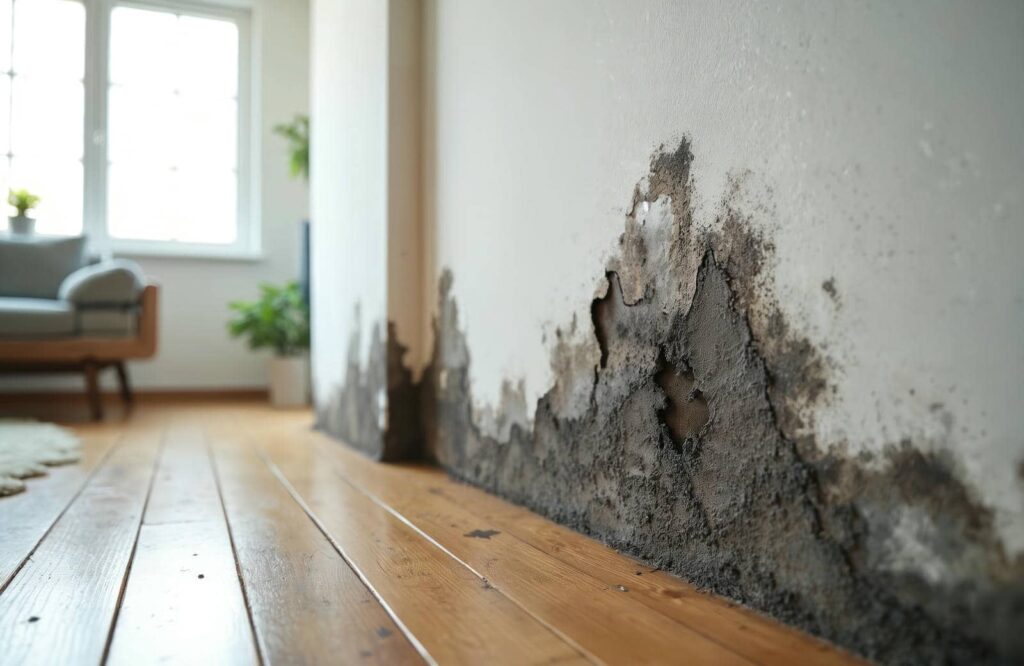
How can you effectively identify sources of mold growth in your home? Start by examining areas prone to moisture, as mold thrives in damp environments. Look for common moisture sources like leaks from pipes, roofs, or windows. Be vigilant in bathrooms and kitchens, where humidity levels often rise.
Next, identify mold types by observing their color and texture. Black mold, for instance, can indicate serious moisture issues, while green or white molds might suggest less severe conditions.
Use a flashlight to inspect hidden corners, behind appliances, and inside cabinets, as these areas can harbor mold without your knowledge.
Don’t forget to check your HVAC system; it can circulate mold spores throughout your home. By systematically evaluating these areas and being aware of moisture sources, you can effectively pinpoint where mold may be growing, ensuring a healthier living environment for you and your family.
Containment and Safety Measures
While addressing mold growth in your home, it’s crucial to implement effective containment and safety measures to prevent the spread of spores.
Start by wearing protective gear, including gloves, masks, and goggles, to shield yourself from exposure. Seal off the affected area using plastic sheeting to create a barrier, ensuring that spores don’t travel to other parts of your home during remediation.
Next, control air circulation by turning off HVAC systems and closing windows. This helps contain the spores within the work area.
When it comes to removing contaminated materials, practice safe disposal methods. Place moldy items in sealed bags and dispose of them according to local regulations.
After completing the remediation, thoroughly clean and disinfect all surfaces to eliminate any remaining spores.
Effective Cleaning Solutions
When tackling mold, choosing the right cleaning solution is essential.
You can opt for natural cleaning agents like vinegar and baking soda, which are effective and eco-friendly, or turn to chemical mold removers that provide a more aggressive approach.
Understanding the strengths and limitations of each option will help you make an informed decision for your remediation efforts.
Natural Cleaning Agents
Natural cleaning agents offer effective solutions for tackling mold growth in your home without the use of harsh chemicals.
One of the most popular options is vinegar, known for its antifungal properties and ability to kill mold spores on contact. The vinegar benefits extend beyond mold removal, as it also deodorizes and disinfects surfaces.
Another powerful ally in your mold-fighting arsenal is baking soda. This versatile ingredient absorbs moisture while effectively scrubbing surfaces free of mold.
To create a potent cleaning solution, mix vinegar with baking soda for enhanced effectiveness.
Chemical Mold Removers
Chemical mold removers provide powerful solutions for effectively eliminating stubborn mold infestations that natural agents may struggle with.
When selecting a product, it’s crucial to take into account both chemical safety and product effectiveness. Here are some key factors to keep in mind:
Active Ingredients: Look for potent compounds that specifically target mold.
Application Method: Choose products that are easy to apply and cover large areas quickly.
Safety Precautions: Confirm the remover is safe for use in your home environment, especially around children and pets.
Environmental Impact: Opt for formulations that minimize harmful effects on the ecosystem.
Drying and Dehumidification Techniques
Effective drying and dehumidification techniques are essential in mold remediation, as they greatly reduce moisture levels, which are important for mold growth.
To achieve this, you should utilize proper ventilation strategies. Open windows and doors to promote airflow, allowing humid air to escape. Fans can also help circulate air, especially in areas prone to dampness.
Dehumidifiers play a key role in moisture control; by removing excess humidity, they create an environment less conducive to mold. When using a dehumidifier, aim for a relative humidity level below 60%.
Additionally, inspect your home for leaks and repair them promptly, as this can greatly reduce moisture accumulation. Regularly check areas like basements and bathrooms, where dampness often lurks.
Combining these methods will enhance your mold remediation efforts and maintain a healthier living space for you and your family.
Preventing Future Mold Growth
After implementing drying and dehumidification techniques, it’s important to take proactive steps to prevent future mold growth.
By focusing on moisture control and enhancing air circulation, you can create an environment less conducive to mold.
Here are some effective strategies to evaluate:
- Ensure proper ventilation in bathrooms and kitchens to reduce humidity.
- Use exhaust fans or open windows when cooking or showering.
- Regularly inspect and clean gutters and downspouts to prevent water accumulation.
- Store items in well-ventilated areas, avoiding clutter that restricts airflow.
Professional Help and When to Call an Expert
Although many mold issues can be resolved with DIY methods, there are situations where seeking professional help becomes essential.
If you notice extensive mold growth, particularly in areas like crawl spaces or behind walls, it’s time to call in experts. Mold inspection services can assess the severity of the problem, pinpoint hidden infestations, and provide tailored solutions.
Professional remediation might seem costly, but consider it an investment in your home’s safety and your family’s health. If you’re dealing with mold types that pose health risks, or if you’re unsure how to proceed, don’t hesitate.
Experts can effectively manage the cleanup process, ensuring it meets safety standards. Ultimately, knowing when to seek professional help can save you from larger remediation costs down the line.
Trusting the right professionals fosters a sense of community, ensuring your home remains a safe haven for everyone.
Frequently Asked Questions
Can Mold Exposure Lead to Health Issues?
Yes, mold exposure can lead to health issues. You might experience mold symptoms like coughing, sneezing, or skin irritation. Understanding these health risks is essential for maintaining your well-being and creating a safe environment for yourself.
How Long Does Mold Remediation Typically Take?
Think of mold growth as an unwelcome guest. Typically, the remediation timeline spans three to seven days, depending on severity. You’ll want to act quickly to restore your space and ensure your family’s safety.
Is It Safe to Stay at Home During Remediation?
During remediation, you should prioritize safety precautions. Staying home might be acceptable if air quality is monitored and proper measures are in place, but it’s often safer to temporarily relocate until the work is completed.
What Are the Costs Associated With Mold Remediation?
Have you considered how mold inspection costs and remediation pricing factors impact your budget? Typically, expenses vary based on severity, location, and necessary treatments, so it’s essential to get quotes for accurate budgeting.
Can I Remove Mold Myself Without Professional Help?
Yes, you can remove mold yourself using DIY techniques, but make certain you wear protective gear and use proper cleaning solutions. Assess the extent of the mold; larger infestations may require professional help for safety and effectiveness.
Final Thoughts
In tackling mold, you’re not just cleaning a surface; you’re waging a battle against an unseen foe. By identifying moisture sources, containing the area, and employing effective cleaning solutions, you can reclaim your space. Remember, as with many challenges in life, vigilance and preparation are key. Don’t hesitate to seek professional help if the mold persists—sometimes, even heroes need a sidekick. Stay proactive, and you’ll foster a healthier environment for yourself and your loved ones.
Recent Posts
5 Steps for Flood Water Recovery
When floodwater enters your space, you need to act in a strict sequence. Flood Water
How to Restore Water Damage After Flood
After a flood, you’re facing more than a little cleanup, and your first move is
7 Smoke Odor Removal Tips After Water Damage
Smoke odor after water damage can linger in places you’d never think to inspect first.