
Contents
After a severe storm last year, many homeowners found themselves facing extensive water damage and mold growth. You might think evaluating the damage is straightforward, but there are critical steps you must follow to ensure safety and proper restoration. Understanding the types of storm damage and implementing effective restoration techniques can make all the difference. So, how do you start this complex process and ensure your home is truly protected against future storms?
Key Takeaways
- Conduct a thorough damage assessment to identify the extent of storm impact and plan restoration efforts effectively.
- Secure the property to prevent further damage from rain or debris while restoration is underway.
- Remove debris and hazardous materials to create a safe working environment for repair professionals.
- Engage experienced restoration professionals to ensure proper repairs and address structural damage.
- Document the restoration process with photos for insurance claims and future reference.
Understanding Storm Damage Types
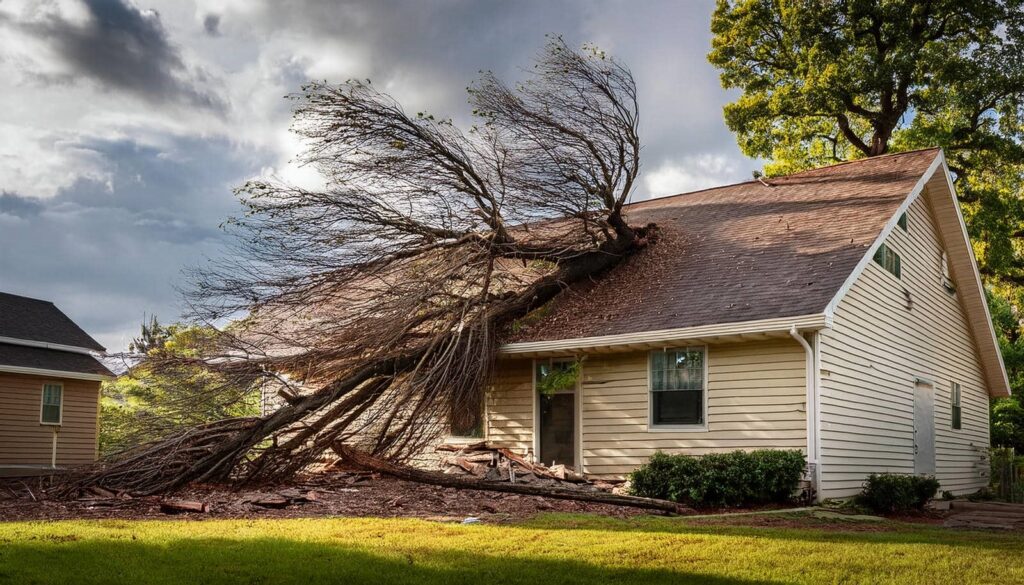
Storm damage can manifest in various forms, each with its unique challenges and implications for restoration. You might encounter wind damage that tears off shingles or uproots trees, posing risks to your home’s structural integrity.
Hail damage can create dents and cracks, particularly in your roof and siding, leading to costly repairs. Flood damage, often overlooked, can infiltrate your home, compromising both safety and comfort. Tree impact raises concerns about not just property damage but potential electrical damage as well.
A thorough debris assessment is essential to evaluate the extent of destruction, ensuring you don’t overlook hidden issues. Understanding your insurance coverage can help mitigate repair costs, which can add up quickly.
Each type of damage requires specific attention to detail, empathy, and expertise, reinforcing the importance of a knowledgeable restoration team. You’re not alone in this; many have faced similar challenges and successfully restored their homes.
Initial Assessment and Safety Protocols
After recognizing the various types of storm damage your property may have sustained, the next step involves a careful initial assessment and implementing safety protocols.
Begin by donning appropriate safety equipment—gloves, goggles, and sturdy footwear—to protect yourself from potential hazards. As you move through your property, conduct a thorough risk assessment to identify unstable structures, downed power lines, or hazardous debris.
Document the damage with photographs, as this will aid in insurance claims and future repairs. Stay mindful of your surroundings, and if you encounter severe risks, don’t hesitate to call in professionals. Remember, your safety comes first.
This process isn’t just about restoring your space; it’s about ensuring you and your loved ones feel secure.
Water Damage Mitigation Techniques
When facing water damage, your immediate response can greatly impact the extent of the destruction.
You’ll need to act quickly to remove excess water and implement effective drying and dehumidification techniques to prevent mold growth.
Understanding these strategies protects your property and ensures a safer environment for you and your loved ones.
Immediate Response Actions
Although facing water damage can feel overwhelming, taking immediate action is essential to minimize loss and expedite restoration.
Start by ensuring your safety first; turn off electricity and gas to prevent hazards. Next, assess the extent of the damage. Use community resources—like local emergency preparedness groups—for guidance and support.
If water is pooling, contain it with towels or buckets while you wait for professional help. Remove valuables and important documents from affected areas to protect them. Don’t forget to document everything with photos for insurance claims.
Finally, reach out to neighbors; sharing experiences can foster a sense of belonging and collective resilience. Remember, you’re not alone in this—your community can be a valuable ally during these challenging times.
Drying and Dehumidification
Once you’ve taken initial safety precautions and assessed the damage, the next step focuses on drying and dehumidification to prevent further complications like mold growth.
Start by using effective drying techniques, such as air movers and fans, to circulate air and speed up evaporation.
Consider the different dehumidifier types—refrigerant and desiccant—each serving unique environments. Refrigerant dehumidifiers work well in warmer spaces, while desiccant models excel in cooler, damp areas.
Monitor humidity levels frequently; aim for below 60% to keep mold at bay.
It’s crucial to be thorough and patient during this process, as proper drying can make all the difference in safeguarding your home and peace of mind.
You’re not alone in this; many have faced similar challenges.
Mold Prevention Strategies
To effectively prevent mold growth after water damage, it’s crucial to implement proactive strategies that address moisture control and air circulation.
Start by thoroughly drying affected areas within 24 to 48 hours, using fans and dehumidifiers. Monitor humidity levels, keeping them below 60% to discourage mold spores from thriving.
Seal any leaks in roofs, walls, or plumbing to prevent future moisture infiltration. Use mold-resistant paints and materials in areas prone to dampness, such as basements and bathrooms.
Regularly inspect and clean gutters and downspouts to ensure proper drainage.
Finally, encourage airflow by opening windows and doors when possible, creating a communal effort in maintaining a healthy environment together.
These steps foster a sense of belonging and shared responsibility in your community.
Mold Removal Strategies
When you’re dealing with mold after storm damage, pinpointing the sources is essential for effective removal.
You’ll need to assess moisture levels and identify hidden areas where mold can thrive, ensuring a thorough remediation process.
Identifying Mold Sources
Identifying mold sources is essential for effective mold removal, especially since mold can pose serious health risks and structural damage if left unchecked.
You need to be proactive in employing mold identification techniques and maintaining indoor humidity control. Start by checking:
Leaky pipes – Inspect areas under sinks or around appliances for moisture.
Damp basements – Look for dark spots on walls or ceilings; they could indicate hidden mold.
Poor ventilation – Verify bathrooms and kitchens are properly ventilated to reduce humidity.
Condensation – Watch for moisture on windows or walls, which can foster mold growth.
Effective Remediation Techniques
Effective remediation techniques are essential for restoring a space after mold has been identified, as they eliminate the mold and prevent its return.
Start with thorough debris removal, ensuring all contaminated materials are safely disposed of.
Next, address any structural reinforcement needed to maintain the integrity of your space. This might involve repairing water-damaged areas or reinforcing weakened structures to prevent future mold growth.
Use high-efficiency particulate air (HEPA) filters during the cleaning process to capture mold spores effectively.
Additionally, implement dehumidification to maintain ideal humidity levels, making the environment less conducive to mold.
Sewage Cleanup Procedures
Sewage cleanup is a critical process that demands immediate attention to prevent further damage and health risks. When faced with sewage contamination, it’s essential to act promptly.
Here’s how you can ensure sewage safety and minimize contamination risks:
Assess the Situation: Identify the source of the sewage and the extent of the damage.
Protect Yourself: Always wear protective gear, including gloves and masks, to prevent exposure to harmful pathogens.
Contain the Area: Seal off affected areas to limit the spread of contaminants.
Professional Assistance: Don’t hesitate to call experts for thorough cleanup and sanitation.
Fire and Smoke Damage Repair
After a fire, the aftermath can feel overwhelming, with charred remnants and lingering smoke odors permeating your home. You’ll want to act quickly to mitigate fire damage and restore your space.
Start by evaluating the extent of the damage, focusing on structural integrity and any items that can be salvaged.
Next, remove debris and thoroughly clean surfaces to eliminate soot. Specialized equipment, like air scrubbers, can help eradicate smoke odor, ensuring your home feels fresh again.
Consider hiring professionals who understand the nuances of fire damage repair—they’ve got the expertise to handle hazardous materials and can guide you through the restoration process.
Lastly, don’t underestimate the emotional toll this experience can take. Surround yourself with supportive friends and family; they can provide comfort as you navigate this challenging time.
Effective Storm Damage Restoration Methods
When storms wreak havoc on your property, knowing how to respond can make all the difference in minimizing damage.
Implementing effective storm damage restoration methods is essential for your storm recovery. Here are four key steps to follow:
Assess the Damage: Carefully inspect your property to understand the extent of the destruction. This helps in planning your restoration efforts.
Secure Your Property: Use tarps, boards, and other restoration equipment to cover any openings, preventing further damage from rain or debris.
Remove Debris: Clear away fallen branches and damaged materials to create a safe working environment and facilitate repairs.
Begin Restoration: Engage professionals or use appropriate restoration equipment to repair structural damage, ensuring your home returns to its former glory.
Crawl Space Inspection and Remediation
Crawl spaces often go unnoticed, but they play a critical role in your home’s overall health. When inspecting your crawl space, look for signs of moisture, mold, and structural damage.
Moisture control is essential, as excess humidity can lead to serious problems like mold growth and wood rot. Ensuring proper crawl space ventilation is key to maintaining a dry environment.
If you find any issues, remediation should be your next step. Start by addressing moisture sources, like leaks or poor drainage.
Installing a vapor barrier can help prevent ground moisture from entering the space. Additionally, consider enhancing ventilation to promote airflow and reduce humidity levels.
Insurance Claim Process for Storm Damage
Addressing the aftermath of storm damage can be overwhelming, especially after confirming your crawl space is dry and free from mold.
Steering through the insurance claim process is essential for recovery. Here’s how you can effectively manage your claim:
Review your insurance coverage: Understand what your policy includes and excludes.
Document the damage: Take detailed photos and notes of all affected areas. This claim documentation will be critical.
File your claim promptly: Contact your insurance company as soon as possible, as timely reporting is necessary.
Stay organized: Keep a record of all communications and documents related to your claim.
These steps help ensure you receive the support you need during this difficult time.
Remember, you’re not alone in this process; many have faced similar challenges and emerged stronger.
Long-term Prevention and Maintenance Tips
While recovering from storm damage is vital, implementing long-term prevention and maintenance strategies can safeguard your home against future disasters.
Start with regular preventive maintenance; this includes cleaning gutters, trimming trees, and inspecting your roof for any vulnerabilities. Seasonal inspections are significant—check your windows and doors for leaks, and confirm that your home’s drainage system is functioning properly to divert water away from your foundation.
Investing in quality materials for repairs can make a substantial difference. Consider storm-resistant windows and reinforced doors to enhance your home’s resilience.
Additionally, creating an extensive emergency plan that includes evacuation routes and communication strategies fosters a sense of community and belonging among your family and neighbors.
Review
In the wake of a storm, it’s essential to approach restoration with care and diligence. By understanding the nuances of damage, you’re not just repairing your home; you’re nurturing its resilience. While the road to recovery may seem intimidating, each step you take brings you closer to a brighter, more secure future. Embrace the process of restoration as an opportunity for growth, ensuring your sanctuary stands strong against whatever nature may bring next.
Recent Posts
What Repairs Stop Mold After Water Damage
To Stop Mold After Water Damage, you need to fix the moisture source first, then
Why Does Leak Water Damage Cause Mold?
Like a slow leak in a ship’s hull, water damage in your home keeps feeding
Ceiling Leak Water Damage Mold Repair Guide
You notice a ceiling stain the same day a drip starts, and that coincidence matters