
Contents
Hidden water damage in walls can lurk like shadows in a dimly lit room, often unnoticed until it’s too late. To uncover these lurking issues, you can employ a variety of techniques. From visual inspections to advanced tools like moisture meters and infrared thermography, each method has its strengths. Understanding how these techniques work is vital in preventing further damage and costly repairs. What’s the best approach to ensure your walls stay dry and sound?
Key Takeaways
- Perform visual inspections for signs of water damage, like wall discoloration and peeling paint.
- Utilize moisture meters for accurate detection of hidden moisture levels in walls.
- Implement infrared thermography to identify temperature variations indicating moisture presence.
- Use acoustic listening devices to detect leaks through sound wave analysis without damaging structures.
- Conduct air quality testing to assess for mold spores, indicating potential water damage issues.
Visual Inspection of Wall Surfaces
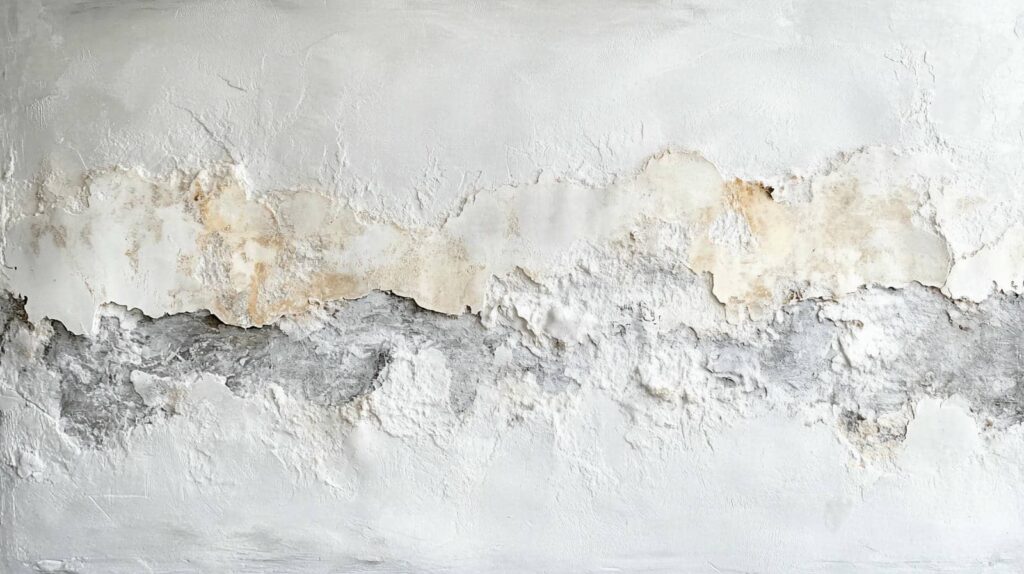
When you start a visual inspection of wall surfaces, look for signs that might indicate hidden water damage. Focus on visual indicators like wall discoloration, which often suggests moisture infiltration.
Pay attention to any areas where paint appears bubbled, peeling, or blistered; these can signal underlying issues. Additionally, investigate stains, especially those that are dark or have a yellowish tint, as they may indicate past leaks.
Check for unusual textures or mold growth, too, as these can be telltale signs of prolonged dampness. Don’t forget to examine corners and baseboards, where water often accumulates.
Moisture Meters for Accurate Readings
When it comes to detecting hidden water damage, moisture meters are essential tools that provide accurate readings.
You’ll need to understand the different types of moisture meters, the techniques for measuring moisture levels, and how to interpret those readings effectively.
Mastering these aspects will enable you to pinpoint water issues with greater precision.
Types of Moisture Meters
Moisture meters are essential tools for accurately evaluating hidden water damage in walls. Understanding the different types can enhance your ability to assess moisture retention and maintain wall integrity.
Here are four common types of moisture meters:
Pin-type Moisture Meters: Use electrodes to penetrate materials, measuring moisture directly.
Pinless Moisture Meters: Utilize electromagnetic signals to assess moisture without damaging surfaces.
Hygrometers: Measure humidity levels in the air, providing insights into potential moisture issues.
Thermal Imaging Devices: Detect temperature variations in walls, indicating hidden moisture.
Measuring Techniques Explained
Accurate measurements are essential for identifying hidden water damage in walls, and employing the right techniques with moisture meters can greatly enhance your assessment process.
Using non-invasive methods, you can conduct wall structure analysis without causing damage. Start by selecting a moisture meter suited for the job; pin-type meters provide precise readings by penetrating the surface, while pinless meters measure moisture levels without direct contact.
As you probe the walls, focus on areas near plumbing, windows, and basements where moisture is likely to accumulate. Take multiple readings to ensure a thorough assessment.
Interpreting Moisture Readings
Understanding how to interpret moisture readings from your meter is essential for diagnosing potential water damage.
Accurate reading interpretation hinges on recognizing moisture thresholds that indicate trouble. Here’s how to make sense of those readings:
Familiarize yourself with standard moisture levels for different materials.
Identify readings above established thresholds—these often signal issues.
Consider the surrounding environmental factors that may affect readings.
Document your findings to track changes over time.
Infrared Thermography to Identify Temperature Variations
While traditional inspection methods might overlook subtle signs of water damage, infrared thermography offers a powerful tool for detecting hidden moisture within walls. This technique utilizes infrared applications to visualize temperature variations, revealing thermal anomalies that indicate water presence.
When you scan a wall with an infrared camera, you’re fundamentally seeing the heat emitted by surfaces, which can change due to moisture infiltration. Wet materials typically exhibit different thermal properties compared to dry ones, making them appear cooler in the infrared spectrum.
By analyzing these temperature differences, you can identify areas where water damage may be lurking, even if there are no visible signs. This method enhances your ability to detect issues early and helps you understand the extent of potential damage.
Embracing infrared thermography fosters a sense of community among those committed to maintaining safe, healthy living environments.
Acoustic Listening Devices for Leak Detection
Acoustic listening devices play an essential role in detecting leaks by analyzing sound wave patterns generated by water escaping from pipes.
You’ll find various types of monitoring equipment, each designed to capture specific frequencies and provide real-time data on potential issues.
Understanding how to utilize these tools effectively can greatly enhance your ability to identify hidden water damage in walls.
Sound Wave Analysis
Hidden leaks within walls can be elusive, but sound wave analysis provides a powerful tool for their detection. By utilizing sound wave applications, you can pinpoint hidden issues without invasive measures, preserving the structural integrity of your home.
This method involves using specialized acoustic listening devices that detect the unique sounds of water escaping from pipes.
Key benefits of sound wave analysis include:
- Non-invasive: No need to cut into walls.
- Precise detection: Identify leaks with accuracy.
- Cost-effective: Reduces the need for extensive repairs.
- Preservation of integrity: Protects your home’s structure during inspections.
Monitoring Equipment Types
When it comes to detecting leaks, choosing the right monitoring equipment is essential for effective results.
Acoustic listening devices have emerged as vital tools in this process, leveraging recent monitoring technology advancements. These devices can pick up subtle sounds indicative of leaks within walls, helping you pinpoint issues before they escalate.
To maximize their effectiveness, you’ll need to employ proper equipment calibration techniques, ensuring accuracy in sound detection. Regular calibration enhances performance and fosters trust in your findings.
Fiber Optic Cameras for Internal Wall Inspection
Fiber optic cameras offer a cutting-edge solution for internal wall inspection, making it easier to detect water damage that might otherwise go unnoticed.
Utilizing fiber optic technology, these cameras provide a clear view of the hidden areas within your walls, enhancing your ability to identify potential issues early on.
Key benefits of using fiber optic cameras for wall inspection include:
- Non-invasive access: You won’t have to cut into walls to inspect for damage.
- High-resolution imagery: Get detailed visuals of the internal structure, making it easier to spot anomalies.
- Real-time feedback: You can assess the situation immediately, allowing for prompt action.
- Versatility: Suitable for various wall types, adapting to different inspection needs.
Thermal Imaging Cameras to Spot Hidden Moisture
Thermal imaging cameras serve as an invaluable tool for identifying moisture issues within walls, enabling you to detect water damage that may be otherwise invisible to the naked eye.
These devices utilize advanced infrared technology to visualize temperature differences caused by hidden moisture, allowing you to pinpoint problem areas quickly and efficiently. One of the key thermal camera benefits is that they can assess large areas in a short amount of time, saving you both effort and resources.
With moisture detection advancements, the images produced by thermal cameras can reveal the extent of water damage, helping you make informed decisions about repairs.
By integrating these cameras into your inspection routine, you enhance the accuracy of your findings and foster a sense of community awareness regarding water damage prevention.
Embracing these innovative tools can empower you to take proactive steps in maintaining a safe and dry environment.
Dye Testing for Tracing Water Sources
While thermal imaging cameras effectively identify hidden moisture, dye testing provides a reliable method for tracing the source of water intrusion. This technique involves the strategic dye application to determine where leaks are originating.
By adding a non-toxic dye to the suspected area, you can follow its path to identify leaks with precision.
Here are some key aspects of dye testing:
- Effective leak identification: Dye helps pinpoint the exact source of water intrusion.
- Non-invasive: This method doesn’t require extensive demolition, preserving your walls.
- Quick results: You can often see immediate results, aiding in timely repairs.
- Cost-effective: Dye testing is generally less expensive than other methods of leak investigation.
Humidity Measurement Tools for Environmental Assessment
Understanding the humidity levels in your environment is vital for effective water damage evaluation and prevention. Utilizing humidity measurement tools can help you monitor and control moisture levels, considerably reducing the risk of hidden water damage in your walls.
Hygrometers, for instance, provide accurate readings of relative humidity, allowing you to identify areas prone to excess moisture. By regularly evaluating these levels, you can take proactive steps for humidity control, thereby minimizing the environmental impact of mold and structural damage.
Digital hygrometers often come equipped with features like data logging and alerts, making them user-friendly and efficient. Incorporating these tools into your routine fosters a healthier living space and enhances your sense of community responsibility.
Keeping your environment dry and stable ensures that you and your neighbors can thrive in a safe, sustainable setting, free from the hidden dangers of water damage.
Air Quality Testing for Mold Spores
To effectively combat hidden water damage and its consequences, you must assess air quality for mold spores, as these microorganisms thrive in damp environments.
Understanding the relationship between mold growth and air quality is essential for maintaining a healthy living space. Here are some key aspects to take into account during your assessment:
Use air sampling tests to measure the concentration of mold spores in the air.
Evaluate humidity levels; high humidity can indicate potential mold growth.
Inspect ventilation systems to ensure they’re not circulating mold spores throughout your home.
Conduct surface testing on walls and other areas to identify hidden mold sources.
Professional Inspection Services for Comprehensive Evaluation
When hidden water damage lurks behind your walls, enlisting professional inspection services can be essential for a thorough evaluation. These experts utilize specialized technology, such as moisture meters and thermal imaging cameras, to detect issues that are invisible to the naked eye. This advanced evaluation allows them to pinpoint the source of moisture, assess the extent of damage, and recommend appropriate remediation steps.
During the inspection, professionals meticulously examine all areas of concern, ensuring no detail goes unnoticed. Their trained eyes can identify subtle signs of damage, like discoloration or warped surfaces, which you might overlook.
By relying on their expertise, you gain peace of mind and safeguard your home’s value and integrity.
Ultimately, partnering with professional inspectors empowers you to make informed decisions, fostering a sense of belonging to a community that values safety and home well-being.
Frequently Asked Questions
How Can I Prevent Water Damage in My Walls?
To prevent water damage in your walls, employ waterproofing techniques and install moisture barriers. Regularly inspect for leaks, maintain gutters, and ensure proper drainage around your home. These actions create a protective environment you can trust.
What Are the Signs of Hidden Water Damage?
Like a detective unraveling a mystery, you’ll notice signs of hidden leaks: peeling paint, warped walls, or musty odors. Keep an eye out for moisture indicators, as they reveal the issues lurking beneath your walls.
How Often Should I Inspect My Walls for Moisture?
You should inspect your walls for moisture at least twice a year. Using moisture meters during these inspections helps you identify hidden issues early, ensuring a safe, comfortable home environment for you and your loved ones.
Can Water Damage Affect My Home’s Structural Integrity?
Imagine a tree’s roots weakening as water creeps in. Just like that, moisture impact can silently erode your home’s structural integrity. Regular structural assessments are essential to safeguard your space from hidden damage and ensure lasting stability.
What Should I Do if I Find Hidden Water Damage?
If you find hidden water damage, assess the extent first. Explore repair options, then document the damage for insurance claims. Taking these steps ensures you address the issue effectively, safeguarding your home and peace of mind.
Final Thoughts
In your quest to uncover hidden water damage, think of yourself as a detective piecing together clues. By employing visual inspections, moisture meters, and infrared thermography, you can reveal the unseen threats lurking within your walls. Don’t overlook the power of acoustic devices and fiber optic cameras for a thorough investigation. Just like a well-crafted mystery, each technique adds a layer to your understanding, ensuring your home remains a safe haven free from the silent destruction of moisture.
Recent Posts
5 Steps for Flood Water Recovery
When floodwater enters your space, you need to act in a strict sequence. Flood Water
How to Restore Water Damage After Flood
After a flood, you’re facing more than a little cleanup, and your first move is
7 Smoke Odor Removal Tips After Water Damage
Smoke odor after water damage can linger in places you’d never think to inspect first.