
Contents
Imagine water pooling in your basement, creeping closer to your belongings, and time is of the essence. Swift water extraction is essential to mitigate damages and health risks. You need to know the best techniques for effectively removing excess water and ensuring thorough drying. From utilizing sump pumps to employing portable extractors, each method plays an important role in the process. What are the most effective strategies you can implement to tackle this urgent situation?
Key Takeaways
- Utilize sump pumps at the lowest point to efficiently remove water from basements and crawl spaces.
- Employ portable extractors for versatile water removal from various locations, connecting them to a power source.
- Implement dehumidifiers to control moisture levels, using refrigerant models in warm areas and desiccant models in cool, humid conditions.
- Use air movers to enhance airflow over wet surfaces, ensuring optimal drying and preventing secondary damage.
- Regularly inspect for mold growth post-extraction, using moisture meters and applying sealants to avert future infestations.
Understanding the Importance of Swift Water Extraction
When you face a flooding situation, understanding the importance of swift water extraction can’t be overstated.
Immediate action is essential in your emergency response efforts. The longer water remains in your space, the higher the risk of structural damage and mold growth, leading to significant repair costs and health hazards.
Swift water extraction not only helps prevent further damage but also minimizes the disruption to your life.
Techniques for Pumping Out Excess Water
After recognizing the urgency of swift water extraction, it’s time to implement effective techniques for pumping out excess water.
One of the most reliable methods is using sump pumps, which are designed to remove water from basements and crawl spaces. Position the sump pump at the lowest point of the affected area, ensuring it’s plugged in and ready to operate.
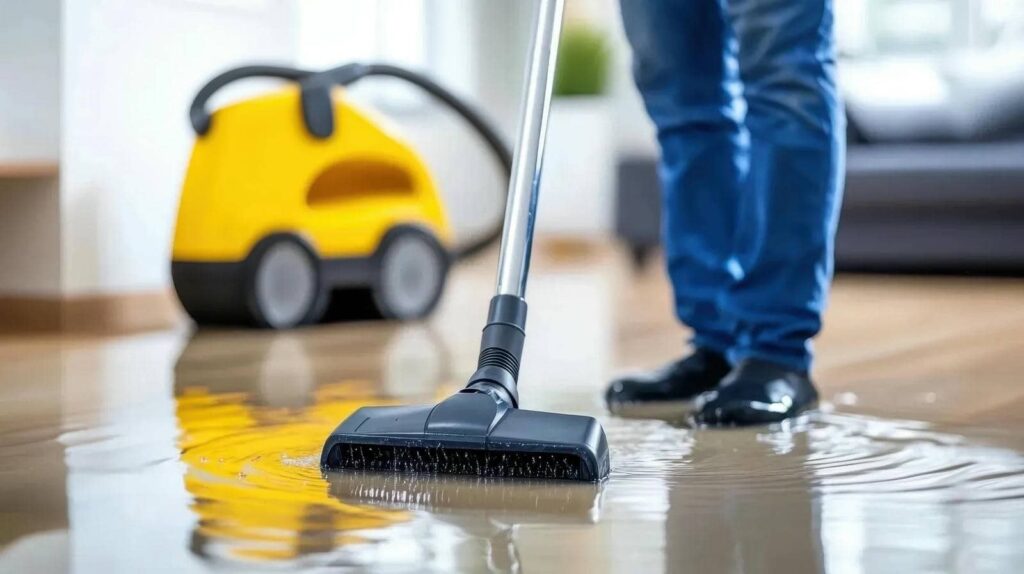
Another excellent choice is portable extractors, which offer versatility and mobility. These machines can tackle standing water in various locations, making them ideal for both small and large-scale operations.
Simply connect the extractor to a power source and direct the hose toward the water source, allowing it to efficiently vacuum up the excess water.
Utilizing Dehumidifiers for Effective Moisture Control
As you move forward with water extraction, utilizing dehumidifiers becomes essential for effective moisture control in the aftermath of flooding or water damage.
These devices play a vital role in moisture removal, preventing mold growth and structural damage. You’ll find various dehumidifier types, including refrigerant and desiccant models, each designed for specific environments.
Refrigerant dehumidifiers cool the air, condensing moisture into water, making them ideal for warmer areas. In contrast, desiccant dehumidifiers use chemical absorbents to draw moisture from the air, which is effective in cooler or more humid conditions.
When selecting a dehumidifier, consider the size of the affected area and the level of moisture present. Setting the right humidity level—typically between 30-50%—ensures peak efficiency.
Regularly emptying the water collection tank or connecting a drainage hose will keep the dehumidifier functioning effectively. This approach not only accelerates drying but also protects your space from long-term damage.
Implementing Air Movers to Enhance Drying
To effectively enhance the drying process following water extraction, implementing air movers is essential. These powerful devices create airflow optimization, considerably increasing drying efficiency in affected areas.
By strategically positioning air movers, you can direct airflow toward wet surfaces, facilitating faster evaporation of moisture. It’s vital to take into account the layout of the space when setting up these machines. Aim for direct air movement over damp areas while avoiding obstructions that could hinder airflow. The right angle and distance can make all the difference in how quickly surfaces dry.
Additionally, using multiple air movers can create a circular airflow pattern, ensuring that even hard-to-reach spots receive adequate ventilation. This method not only speeds up the drying process but also helps prevent secondary damage, ensuring a healthier environment.
Assessing and Remediating Mold Growth After Water Damage
Once water damage occurs, mold growth can become a serious concern if not addressed promptly. To protect your space and health, you need effective mold identification techniques and prevention strategies.
Inspect areas with moisture for visible mold.
Use moisture meters to check hidden dampness.
Implement air circulation to reduce humidity levels.
Apply sealants to prevent future mold growth.
Regularly clean and maintain your HVAC systems.
After identifying mold, begin remediation by isolating affected areas, wearing protective gear, and safely removing contaminated materials.
It’s essential to dry out the area thoroughly and maintain proper ventilation. If the infestation is extensive, consider consulting a professional.
Frequently Asked Questions
How Do I Know if My Home Needs Emergency Water Extraction?
You’ll know your home needs emergency water extraction by observing water damage indicators like damp walls, musty odors, or visible mold. Extraction signs include pooling water or continuous leaks that can worsen if not addressed promptly.
What Are the Costs Associated With Emergency Water Extraction Services?
When considering costs for emergency water extraction services, be aware of cost factors like the extent of damage, required equipment, and service pricing. Understanding these elements helps you budget effectively for necessary repairs and restoration.
Can I Perform Water Extraction Myself, or Should I Hire Professionals?
Imagine a leaky boat; you can either patch it up yourself with DIY extraction or call in professional services to guarantee it’s seaworthy. Weigh your skills against potential risks to decide the best approach.
How Long Does the Water Extraction Process Typically Take?
The extraction duration for water removal typically varies, ranging from a few hours to several days, depending on the extent of the flooding, the techniques used, and the equipment’s efficiency. You’ll want to assess carefully.
What Should I Do Immediately After Discovering Water Damage?
After discovering water damage, assess the situation immediately. Identify the source, turn off utilities, and document everything for insurance. Taking these immediate actions guarantees safety and prepares you for effective recovery and restoration efforts.
Review
Mastering emergency water extraction techniques is vital for minimizing damage and health risks. By utilizing sump pumps to swiftly remove water, deploying portable extractors for versatility, incorporating dehumidifiers for moisture control, and implementing air movers to enhance drying, you can effectively combat water-related issues. Don’t forget to assess and remediate any mold growth to guarantee a safe environment. Swift action, strategic tools, and thorough remediation create an all-encompassing approach to managing water emergencies.
Recent Posts
Why Does Leak Water Damage Cause Mold?
Like a slow leak in a ship’s hull, water damage in your home keeps feeding
Ceiling Leak Water Damage Mold Repair Guide
You notice a ceiling stain the same day a drip starts, and that coincidence matters
Why Mold Remediation Matters After Flooding
When floodwater lingers, mold doesn’t wait. It can spread through wet drywall, saturated insulation, and