
Contents
When floodwater lingers, mold doesn’t wait. It can spread through wet drywall, saturated insulation, and other damp materials while rising humidity creates favorable conditions for growth. Mold Remediation Matters After Flooding because delaying action can allow contamination to reach hidden cavities, damage materials, and affect indoor air quality. You need fast, targeted action to remove moisture, address affected materials, and stop the problem before the damage moves beyond what you can see.
Key Takeaways
- Floodwater soaks porous materials and feeds mold with organic debris, creating rapid growth conditions.
- Quick remediation stops mold before it spreads into walls, ceilings, and adjoining rooms.
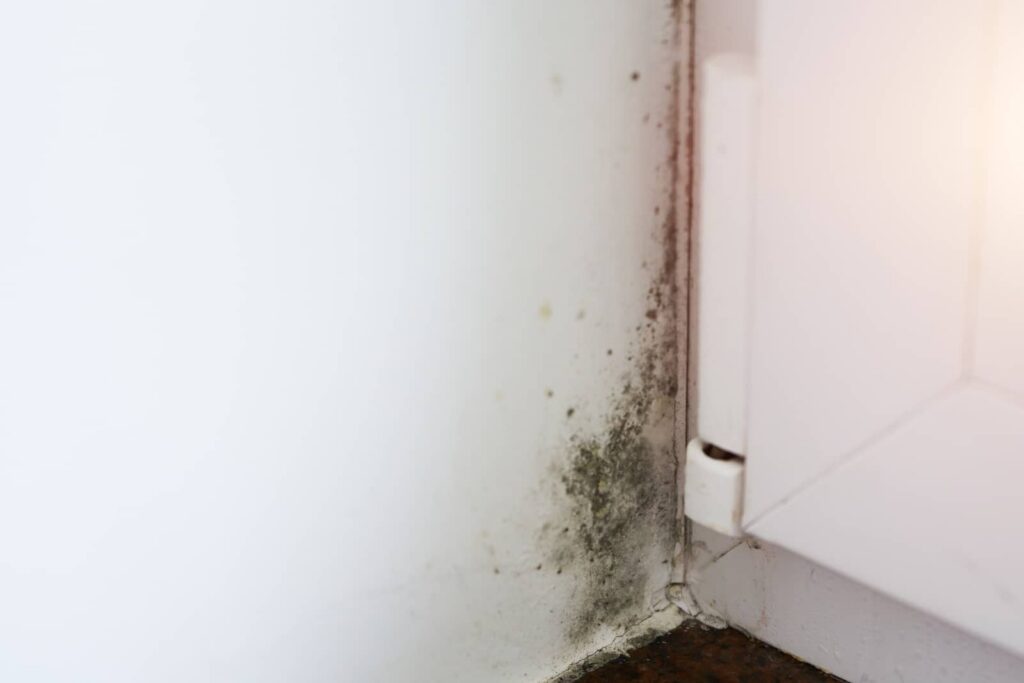
- Signs like musty odors, staining, warping, and peeling paint often mean hidden mold.
- Professional remediation removes contaminated materials, dries the area, and improves indoor air quality.
- Early action protects health, reduces allergies and respiratory problems, and helps prevent structural damage.
What Floodwater Does to Mold Growth
Floodwater creates ideal conditions for mold growth by saturating porous materials, raising indoor humidity, and transporting organic debris that mold can use as a food source.
You also expose surfaces to a complex floodwater composition that may contain soil, sewage, and dissolved nutrients, all of which support colonization.
Once moisture lingers, mold spores already present indoors can absorb water, germinate, and spread across drywall, wood, insulation, and fabric.
You’re not dealing with a surface stain; you’re dealing with active biological growth driven by sustained wetness.
In shared spaces, that growth can affect air quality and undermine the safe, familiar environment you want for your household.
Controlling moisture and removing contaminated materials limits the conditions mold needs to establish and expand.
Why Mold Remediation Starts Fast After Flooding
Because moisture, debris, and porous building materials create a fast-moving growth cycle, you need to start mold remediation as soon as flooding has been controlled.
You interrupt the mold lifecycle before spores colonize drywall, insulation, and framing. Every hour of lingering dampness increases flood damage, weakens materials, and expands contamination zones that your team must later remove.
Rapid action lets you dry, clean, and sanitize affected areas while conditions still support effective source control. You also reduce the chance that hidden colonies spread into adjoining rooms, where they can undermine air quality and recovery.
When you move quickly, you protect your structure, your schedule, and the people who depend on your space. Acting fast shows you belong to a prepared group that treats moisture as a time-sensitive threat.
Signs You Need Mold Remediation Right Away
If you notice a persistent musty odor, visible staining, peeling paint, warped drywall, or soft flooring after flooding, you need mold remediation right away.
These mold indicators show moisture has remained long enough for fungal growth to spread behind surfaces and into concealed cavities. You may also see recurring condensation, dark speckling, or worsening allergy symptoms indoors.
Don’t wait for visible damage to expand; your safest response is immediate action. The faster you address contamination, the better you protect structural materials, indoor air quality, and everyone in your home.
In a flood recovery community, acting early helps you stay in control and avoid deeper losses. If signs keep returning after drying, treat the area as active growth until proven otherwise by a qualified inspection.
What a Professional Mold Remediation Process Includes
A professional mold remediation process starts with a detailed inspection to identify affected materials, moisture sources, and the extent of contamination.
Next, you’ll see containment and controlled removal to prevent spore spread while technicians eliminate damaged material.
Finally, the team dries the structure and applies prevention measures to reduce the risk of regrowth.
Mold Inspection Steps
A professional mold inspection starts with a systematic walkthrough of the affected area to locate visible growth, moisture sources, and materials that may have trapped water after flooding.
You’ll see a trained specialist document each room, compare damage patterns, and apply mold inspection techniques that verify where moisture persists behind walls, under flooring, and inside cavities.
They’ll check humidity, temperature, and surface conditions, then use instruments to confirm elevated readings rather than guess.
The inspector also evaluates inspection frequency needs, especially if your property has recurring leaks or prior contamination.
By following this process, you and your household get clear findings, consistent records, and a reliable basis for next steps.
That precision helps you feel informed, supported, and ready to act with your team.
Containment and Removal
Once the inspection confirms active growth and hidden moisture, the containment and removal phase begins with strict controls to stop spores from spreading into clean areas.
You’ll see professionals seal the work zone with barriers, negative-air machines, and targeted containment strategies that isolate affected materials. They remove contaminated drywall, insulation, carpet, and porous contents using controlled removal techniques that limit disturbance and airborne release.
HEPA filtration and frequent surface cleaning help capture residual particles during the process. You stay protected because technicians follow established protocols, document each step, and treat every exposed surface with precision.
This disciplined approach reduces cross-contamination, preserves unaffected spaces, and gives you confidence that the remediation team is working with the same standards you’d expect in a well-run, safe environment.
Drying and Prevention
After contaminated materials are removed, the focus shifts to eliminating the moisture that allowed mold to establish in the first place.
You’ll need targeted drying with dehumidifiers, air movers, and continuous moisture control to bring hidden dampness in walls, floors, and framing back to safe levels. Technicians verify progress with meters, not guesswork, so you know the structure is truly drying.
They also improve air circulation to accelerate evaporation and reduce stagnant zones where spores can rebound. During this stage, they inspect cavities, HVAC components, and insulation for trapped water.
Prevention follows drying: seal leaks, restore drainage, and maintain indoor humidity below 60%. When you stay on top of these steps, you protect your space, support your household, and reduce the chance of another mold outbreak.
How Mold Remediation Protects Your Health After Flooding
Mold remediation after flooding removes airborne spores and damp building materials that can trigger respiratory irritation and worsen asthma.
It also lowers your exposure to mold allergens, which reduces sneezing, congestion, and other allergic reactions.
Prevents Respiratory Issues
When floodwater lingers, mold can colonize porous materials and release spores, fragments, and microbial volatile compounds into the air, increasing the risk of coughing, wheezing, throat irritation, and asthma flare-ups.
You protect your respiratory health by removing contaminated drywall, insulation, and carpets before colonies mature and aerosolize more particles.
Professional remediation also controls dust, uses negative pressure, and filters air with HEPA systems, which lowers mold exposure in shared indoor spaces.
When you dry structures quickly and verify moisture levels, you cut off the conditions mold needs to persist.
That means you can breathe easier, return with confidence, and know your home supports the people who live there.
Effective cleanup isn’t just structural maintenance; it’s a direct safeguard for your lungs and daily comfort.
Reduces Allergic Reactions
Because flood-damaged materials can harbor mold spores, fragments, and allergenic byproducts, thorough remediation helps reduce sneezing, itchy eyes, skin irritation, and nasal congestion.
When you remove contaminated drywall, insulation, and porous contents, you lower the allergen load that drives your immune response. That means your body’s defense system is less likely to overreact and trigger recurring allergy symptoms during cleanup and recovery.
By drying structures completely, HEPA vacuuming surfaces, and discarding unsalvageable materials, you create a healthier indoor environment for you and your household.
You don’t have to tolerate constant irritation; effective remediation helps you regain comfort, confidence, and a sense of normalcy after flooding.
It also supports better sleep and steadier daily functioning while your space returns to safe use.
Limits Toxic Exposure
Flood-damaged materials can release a mix of mold spores, microbial fragments, and volatile compounds that may irritate your lungs, eyes, and skin.
When you remove contaminated drywall, insulation, and carpet quickly, you limit toxic exposure before those emissions spread through your home.
Professional mold remediation uses containment, filtration, and controlled demolition to reduce airborne particles and lower health risks for everyone inside.
You also protect shared living spaces by preventing contamination from moving into ducts, furnishings, and clothing.
That matters when your household needs a safe place to regroup after flooding.
Why Ceiling Leaks Spread Mold Fast
Even a small ceiling leak can fuel rapid mold growth because it keeps drywall, insulation, and framing damp while trapping moisture above the visible surface.
You may not see the damage, but ceiling materials absorb water quickly, and moisture levels can stay high long after the drip stops. That hidden humidity gives mold spores the stable conditions they need to colonize joints, seams, and fasteners.
In your home, warm air rising into the attic can worsen condensation, so the leak spreads moisture across a wider area.
You need prompt drying, source repair, and inspection to protect your space and everyone in it. When you act early, you keep your team, your family, and your property aligned against structural decay and airborne contamination.
Frequently Asked Questions
How Long Does Mold Take to Appear After Flooding?
You can see mold within 24 to 48 hours after flooding, especially on damp materials. Track your mold growth timeline, use flood recovery tips, and dry everything fast to protect your home and community.
Can Flood-Damaged Furniture Be Saved From Mold?
Yes—sometimes. You can save flood-damaged furniture if you act fast, dry it thoroughly, and start furniture restoration immediately; otherwise mold can erupt like wildfire. You’ll need mold prevention, cleaning, and professional inspection to protect it.
Is Mold Remediation Covered by Homeowners Insurance?
It depends on your insurance policies; you’ll usually get coverage if a covered peril caused the mold. Review exclusions, mold types, and remediation limits, then document damage quickly so you can strengthen your claim.
Do Air Purifiers Help After Flood-Related Mold Growth?
Air purifiers can improve your air quality by trapping airborne spores, but they won’t stop hidden mold growth. You’ll still need drying, removal, and mold prevention measures to eliminate moisture and protect your home.
Can I Stay in My Home During Mold Remediation?
You can stay home during minor remediation, but you shouldn’t if health risks are high or containment is limited. Your technician will assess the remediation process and tell you when it’s safe to remain.
Review
If you wait after flooding, mold can begin to spread before you notice the first visible spot. You need to act fast, because hidden moisture keeps feeding growth behind walls, above ceilings, and under floors. With prompt mold remediation, you protect your air quality, your structure, and your health. Don’t let a small damp area turn into a costly problem. The next move you make could determine what’s growing out of sight.
Recent Posts
3 Ceiling Leak Cleanup and Repair Steps
When you find a ceiling leak, you need to act in a specific order to
Mold Cleanup After Roof Water Damage
When you spot mold after roof water damage, you need to act fast, but not
3 Tips for Leak Water Damage Repair
When you spot a leak, you need to stop the water source fast and shield